Commercial Roofing Services in Tracy, CA
Commercial Roofing Tracy
Choose a commercial roofing service in Tracy by roof condition, access, and decision timing, from inspection through repair, replacement, and maintenance.

Choose a commercial roofing service in Tracy by roof condition, access, and decision timing, from inspection through repair, replacement, and maintenance.
A wet insulation reading and a loose drain flashing call for different next steps. In Tracy, we map each condition to a roof zone, record what the inspection could reach, and separate a confirmed repair from a question that needs a test opening. Tracy planning designations on the northeast side accommodate manufacturing, storage and distribution, rail-dependent industry, and flex-tech. We use those categories to ask about site operations, then confirm the building's actual access rules before setting a work sequence.
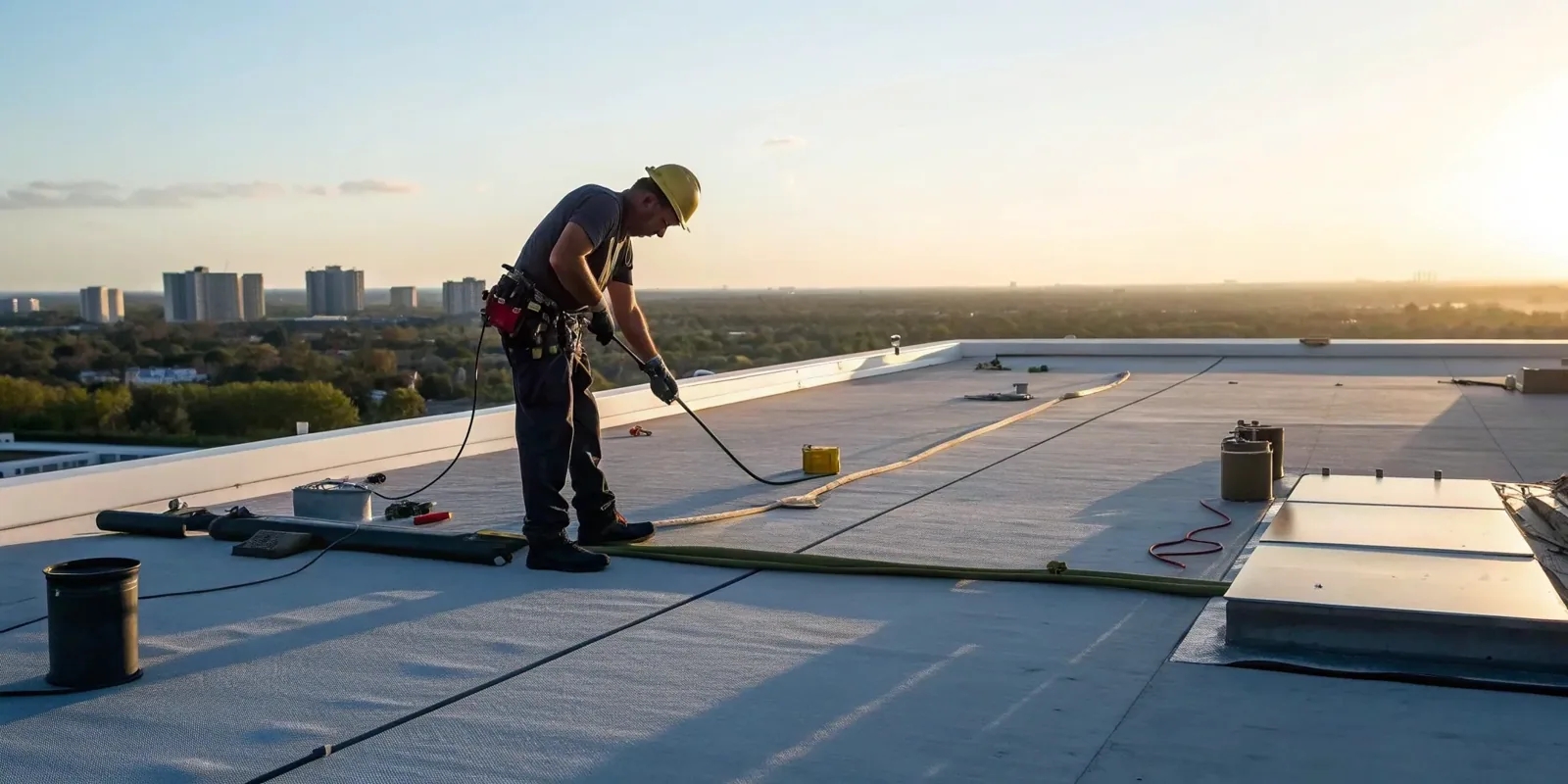
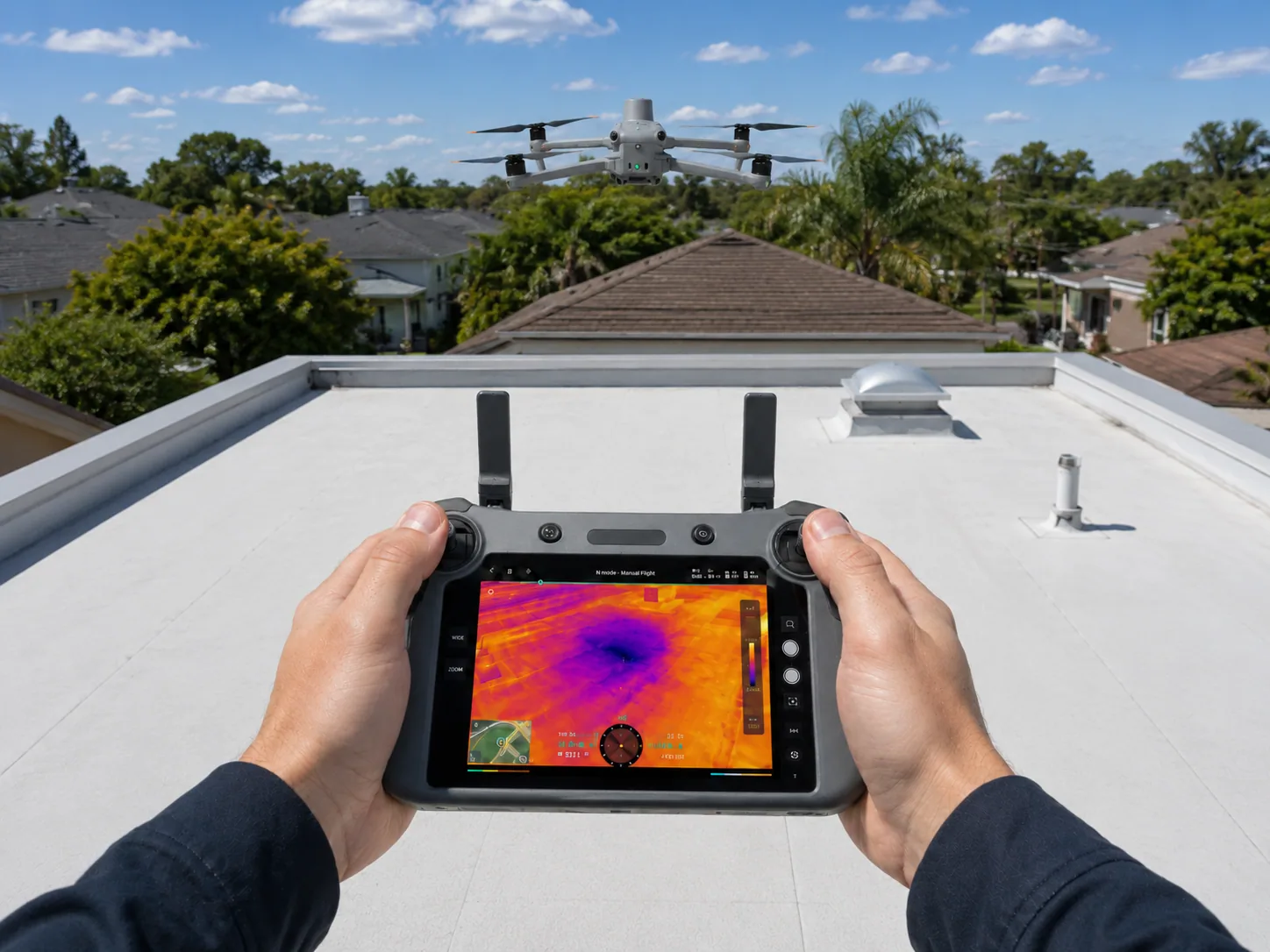
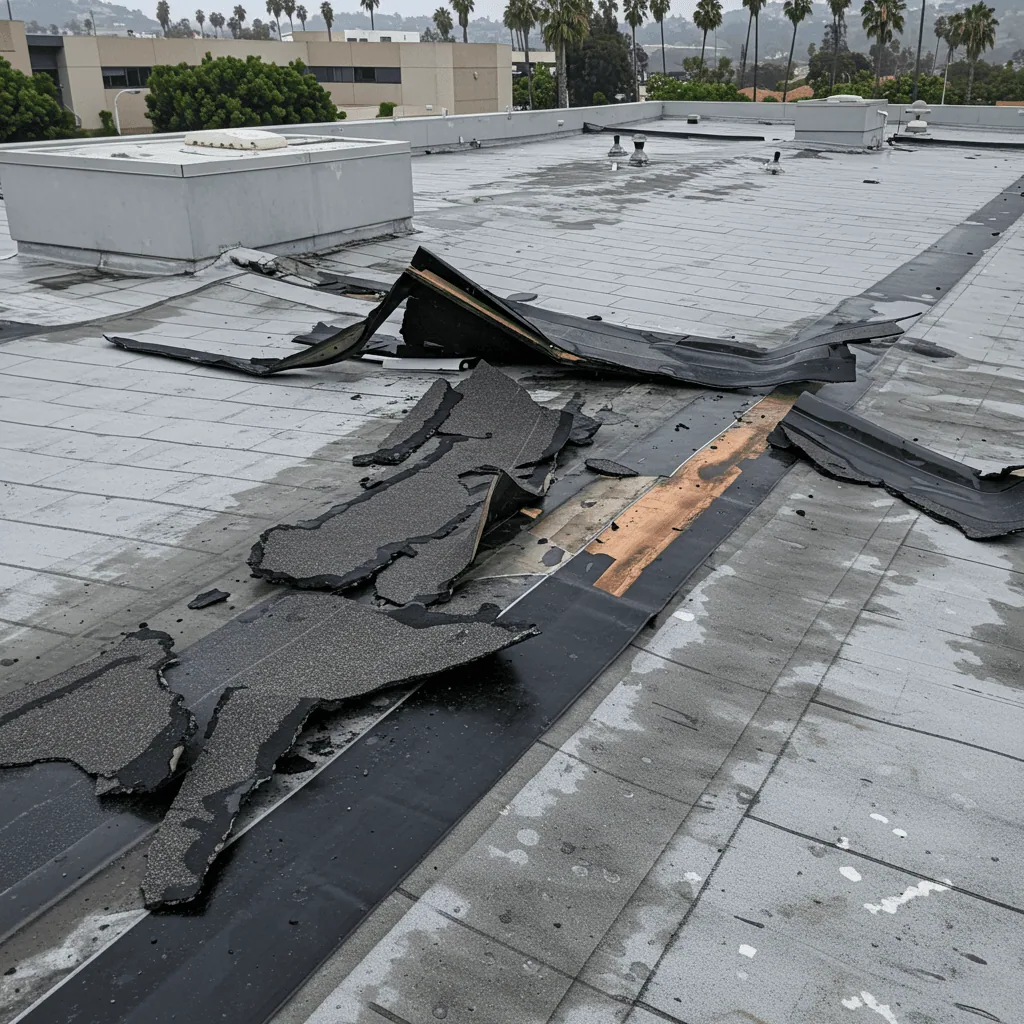
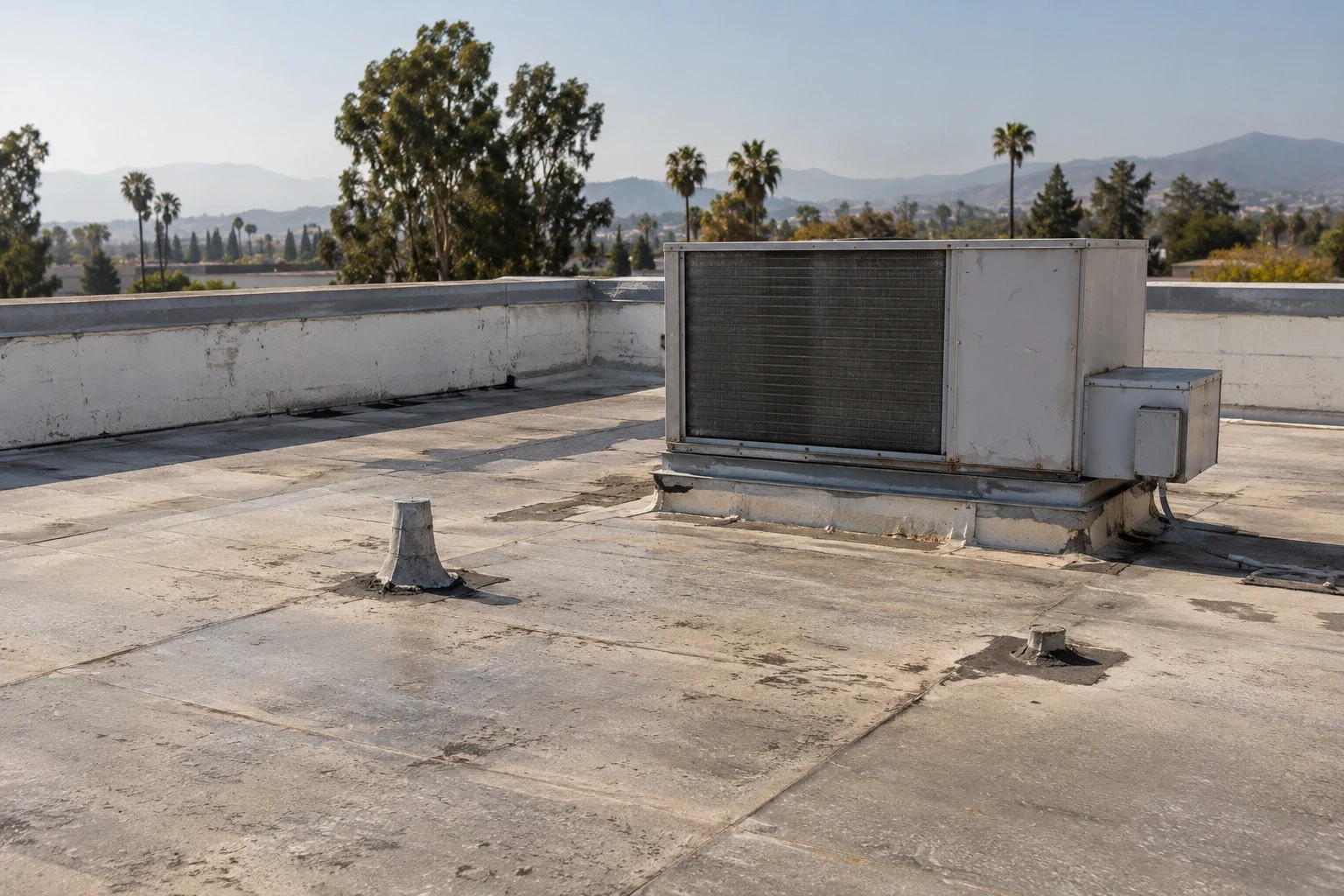
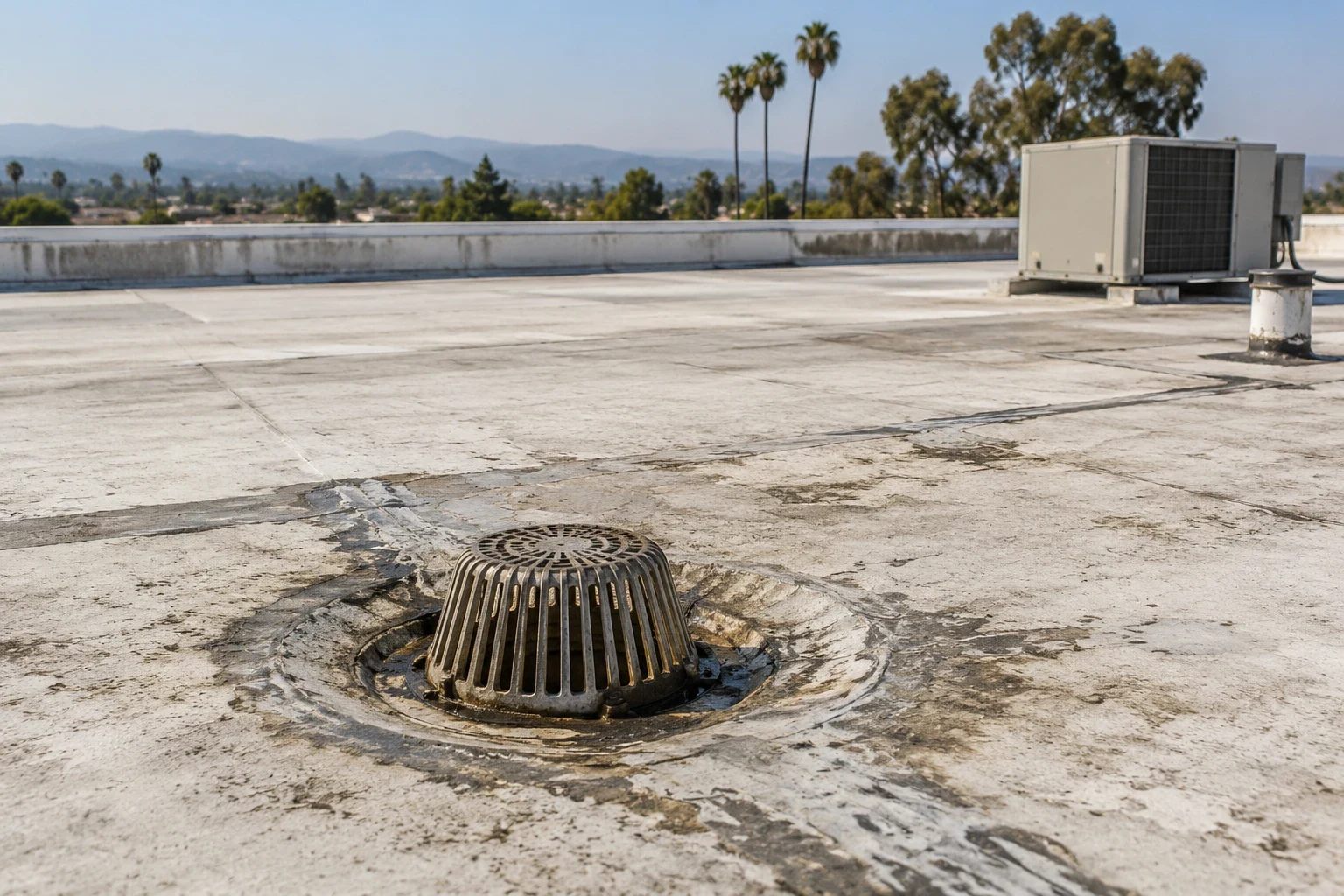
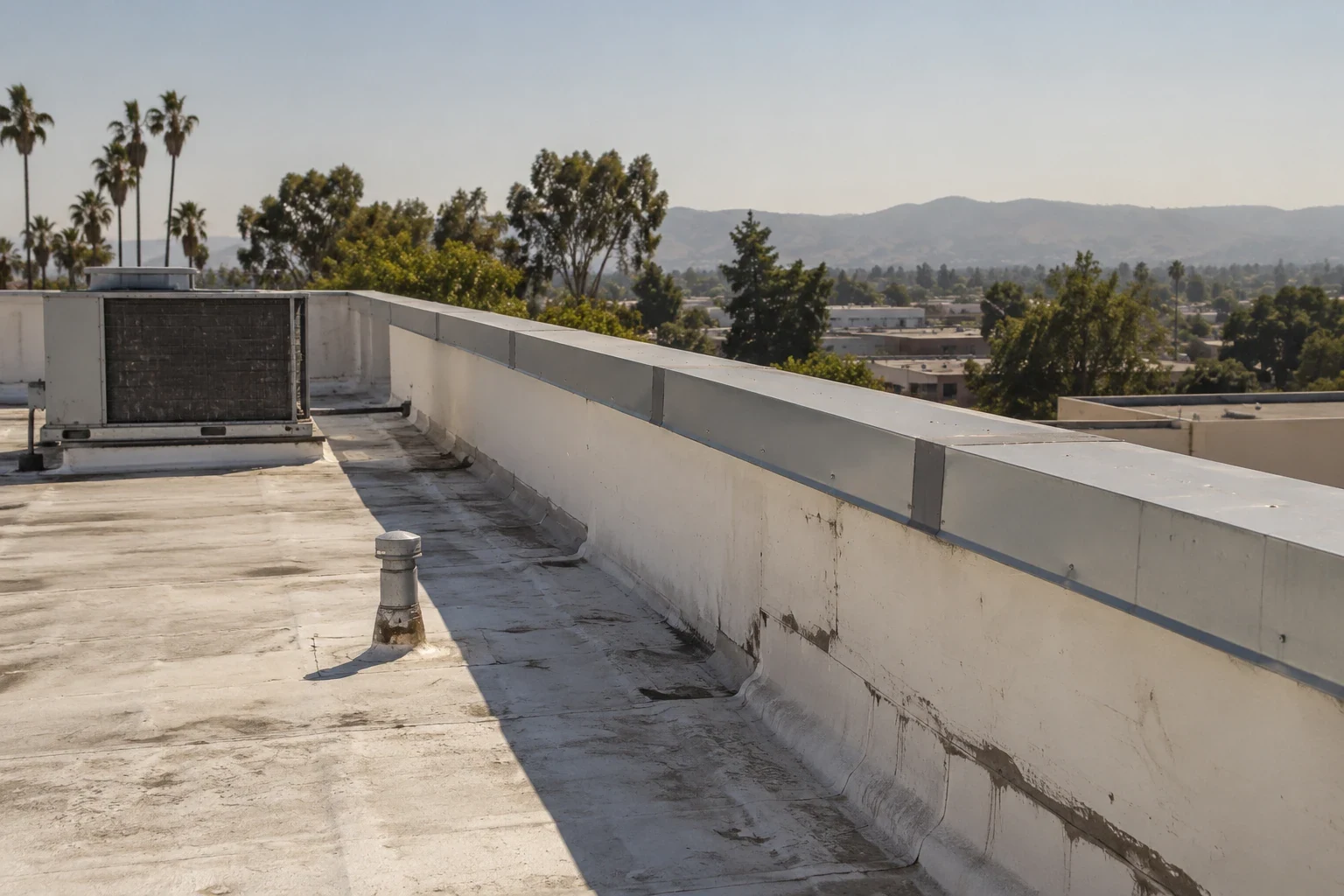
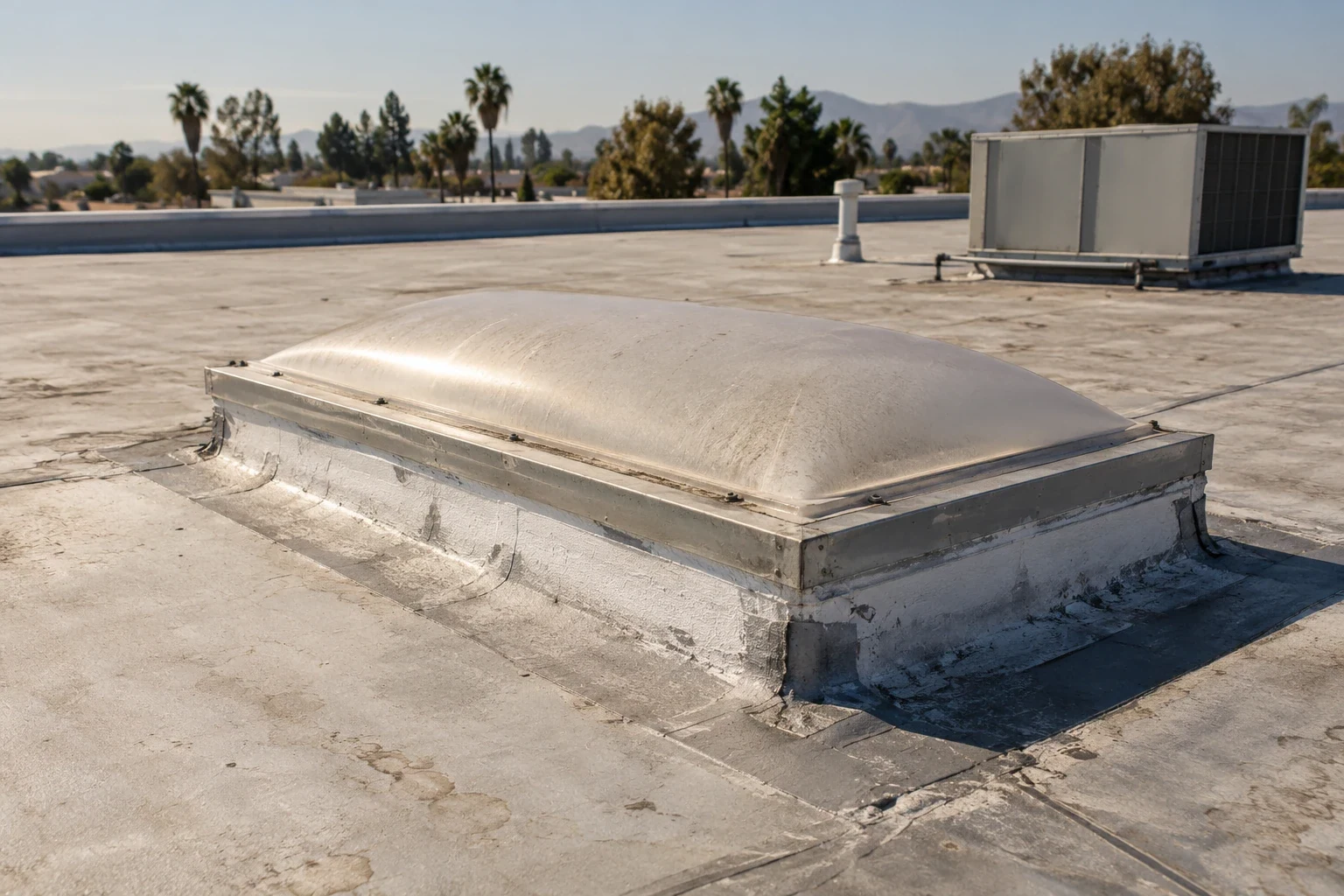
Start with the leak report, roof plan, recent tickets, and the area where water or surface damage appeared. A commercial roof inspection ties marked photographs to seams, drains, curbs, edges, and earlier repairs. Where a walk cannot confirm the assembly or moisture extent, a moisture survey or an authorized test opening can help define what remains unknown.
The decision should follow the evidence. A small opening in a stable field may support repair; repeated seam separation, wet substrate, or an unstable termination can justify a broader review. The Northeast Industrial PUD is a broad planning geography, but its land-use label does not establish an individual roof's condition. We document the actual property and keep its access limits with the findings.
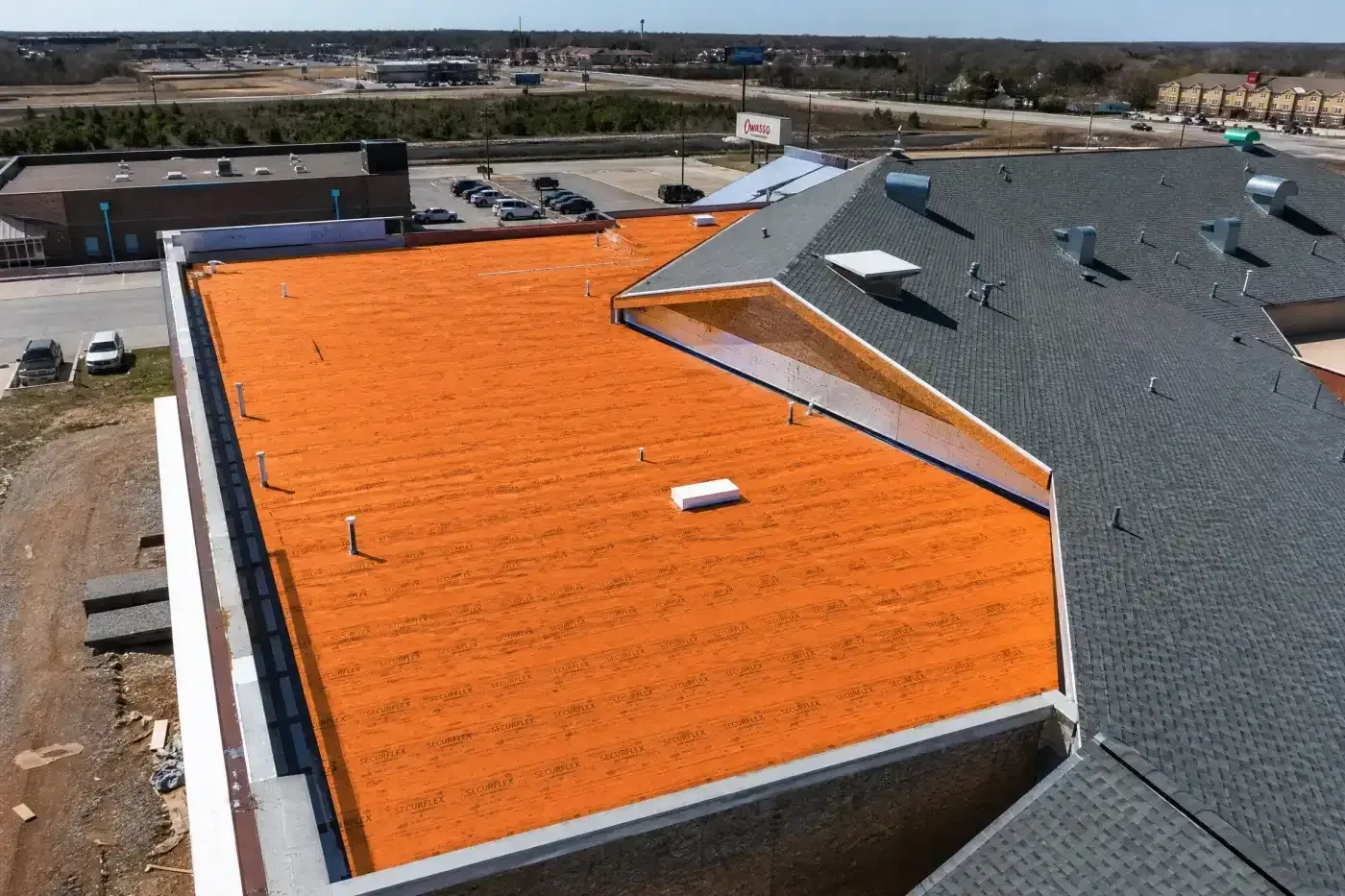
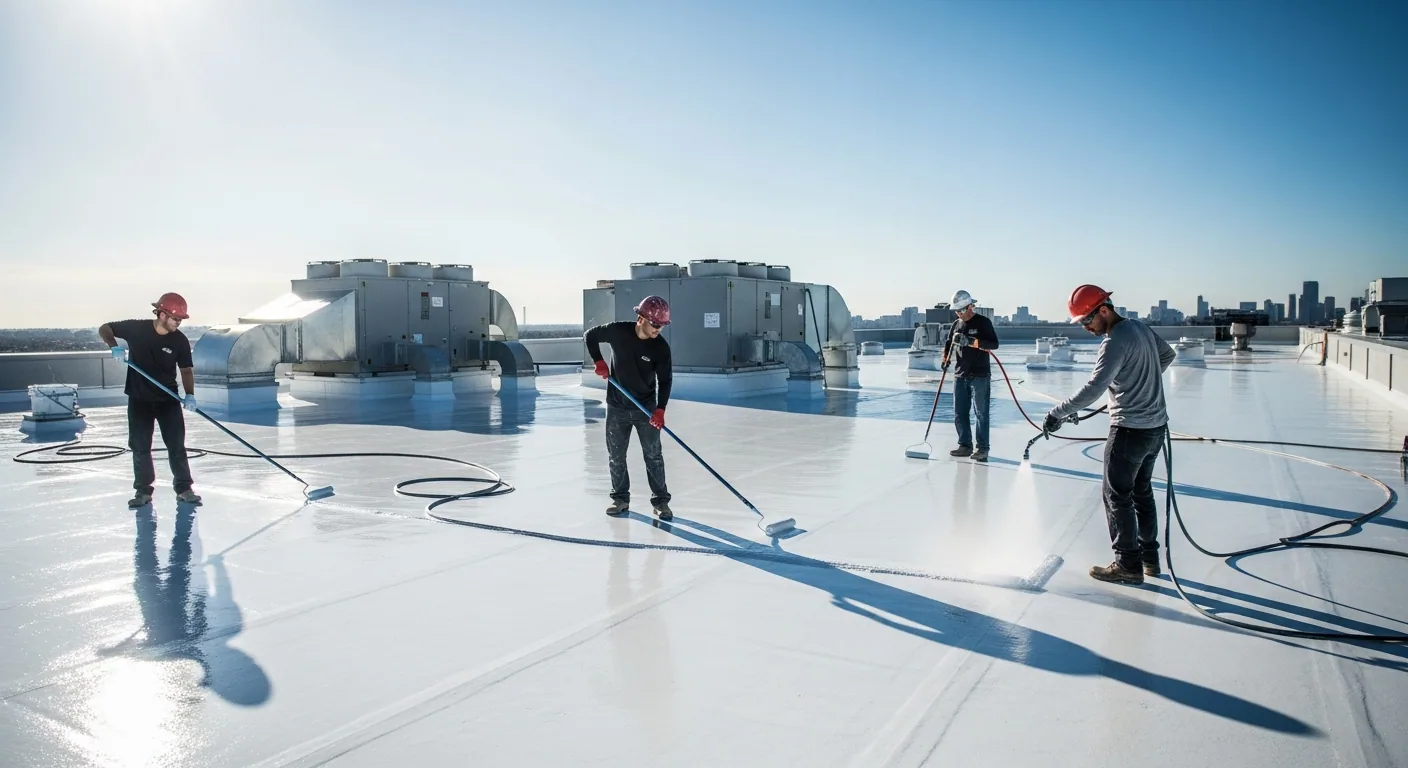
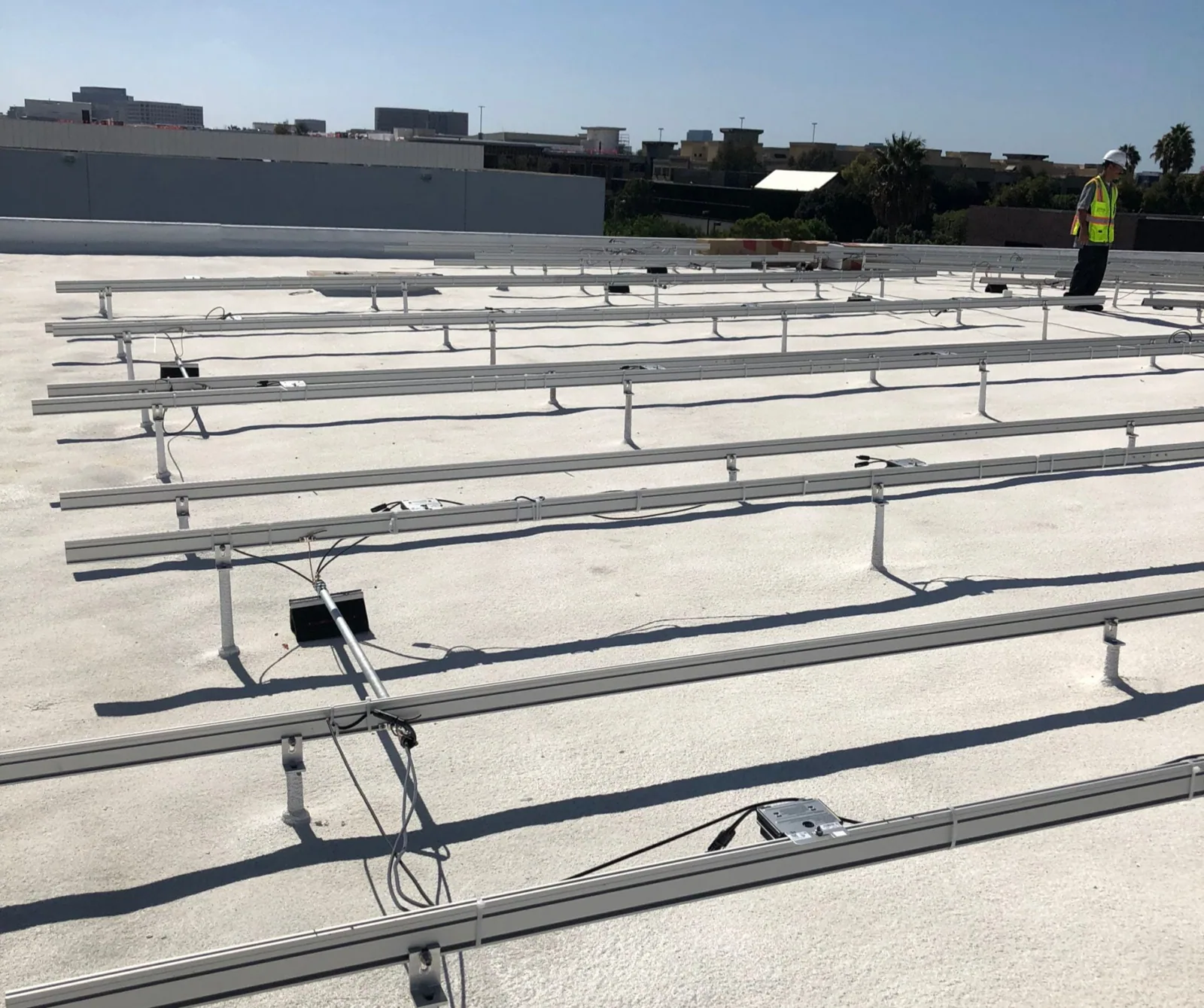
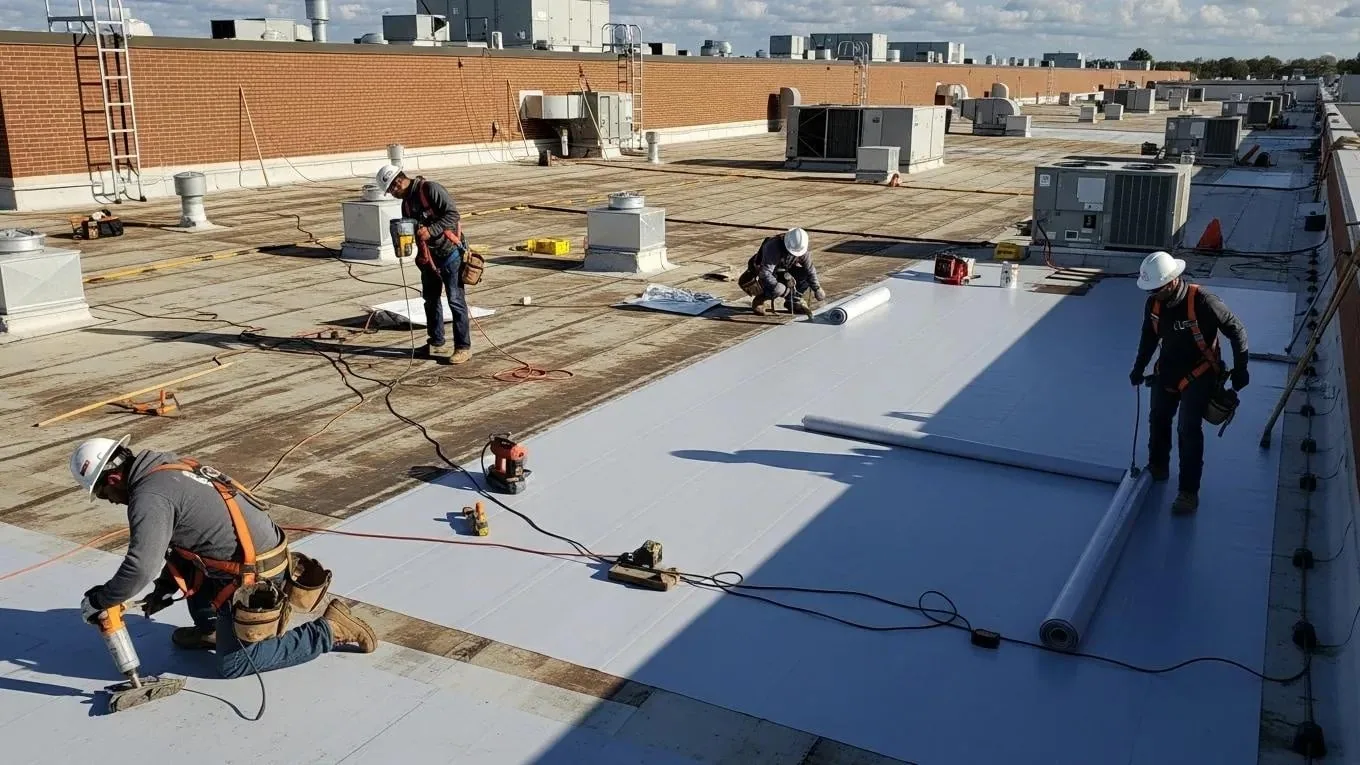
A repair scope should state removal limits, preparation, material, tie-in, and the post-work check. It should also show adjacent conditions left outside the repair. If the existing roof has multiple layers or unresolved moisture, compare a coating restoration, recover, or replacement only after testing compatibility, drainage, edge transitions, and substrate. Put allowances beside the zones that could change the price.
Active water entry needs an immediate protection decision as well as a permanent repair plan. Our emergency response is available at any hour, including weekends and holidays. Record who approved temporary protection, what interior area it covers, and what evidence remains before the final repair limit is set. A claim documentation review can organize the dated images, measurements, and work records when an insurance file is involved.
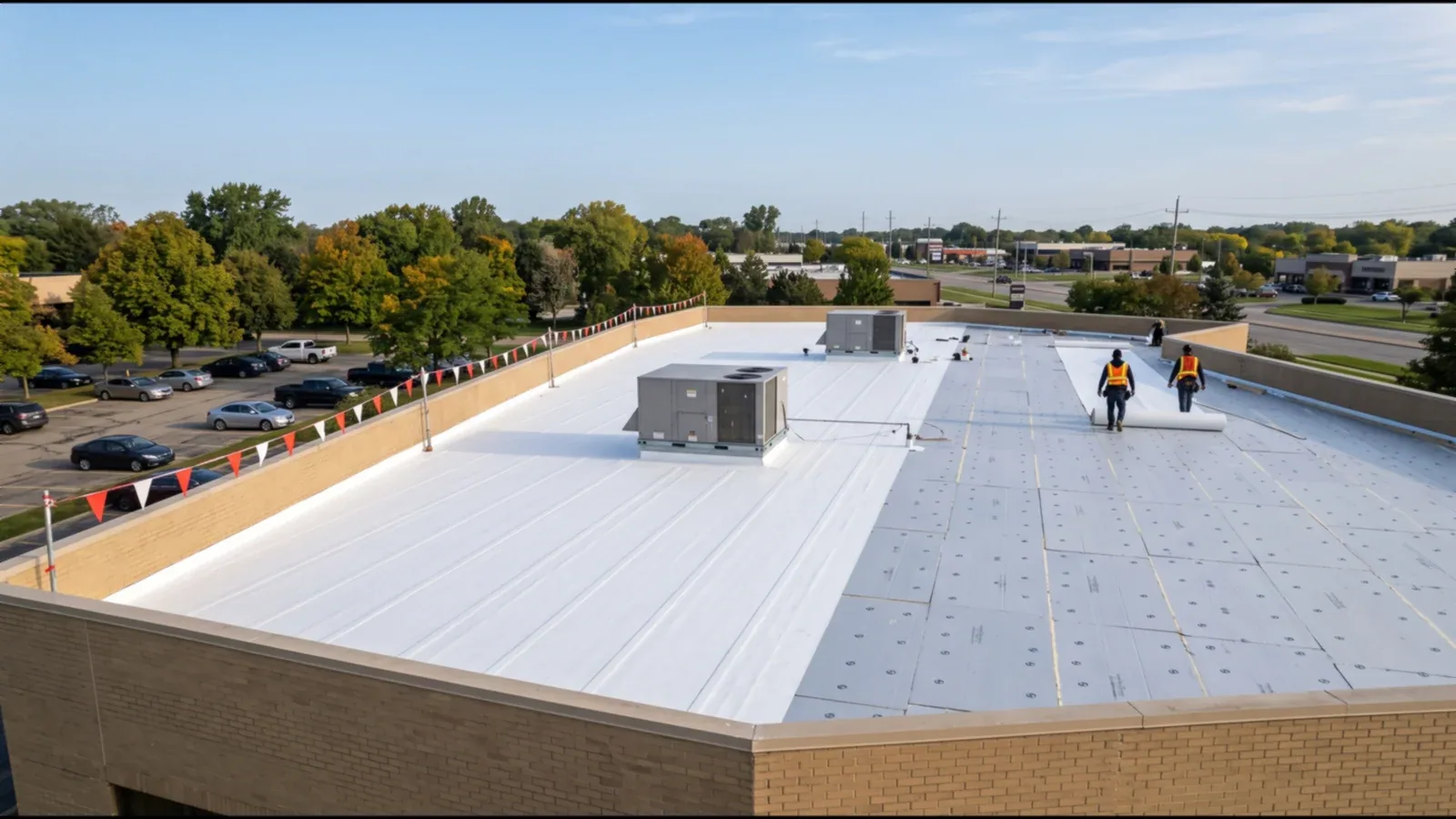
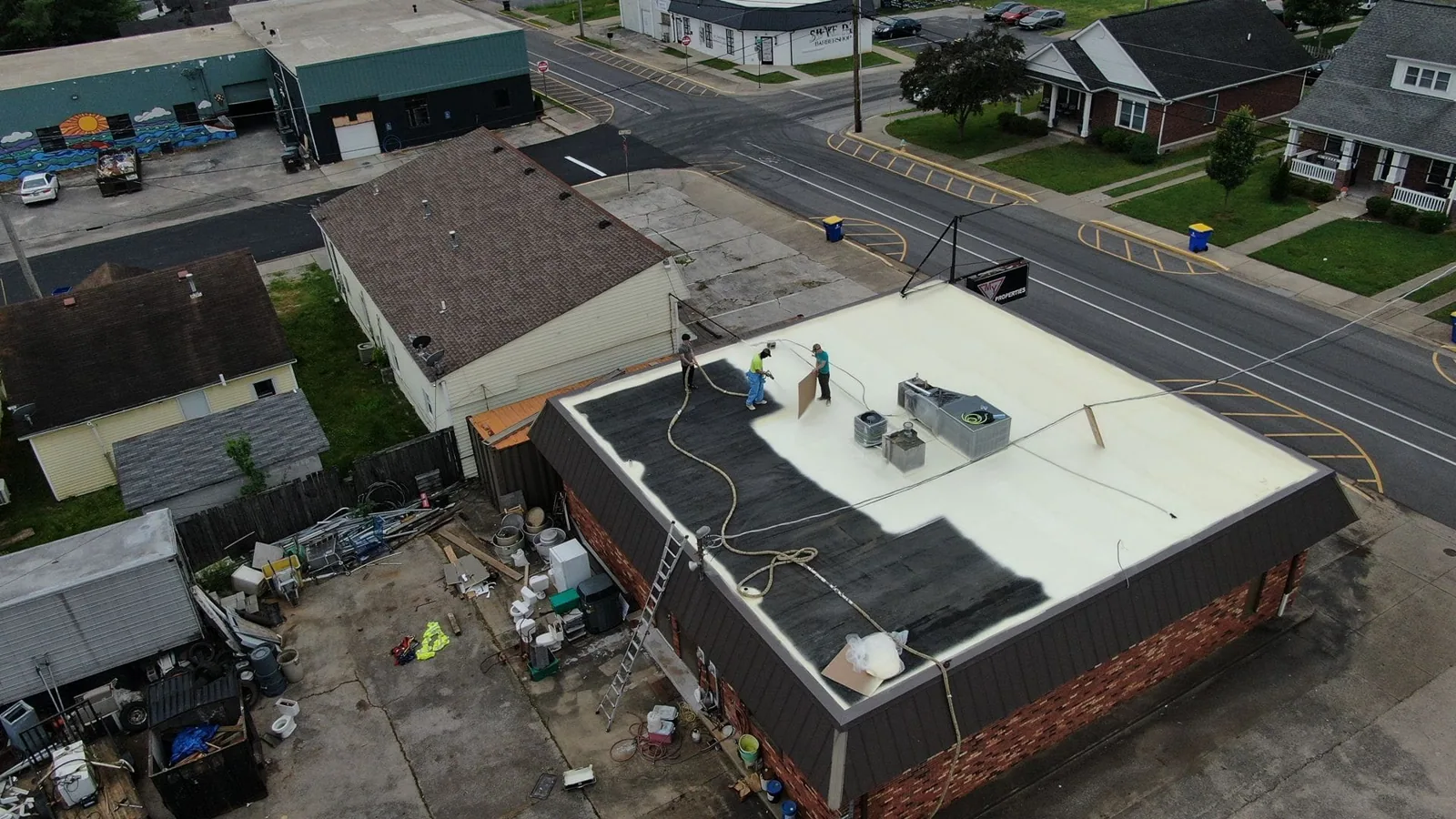
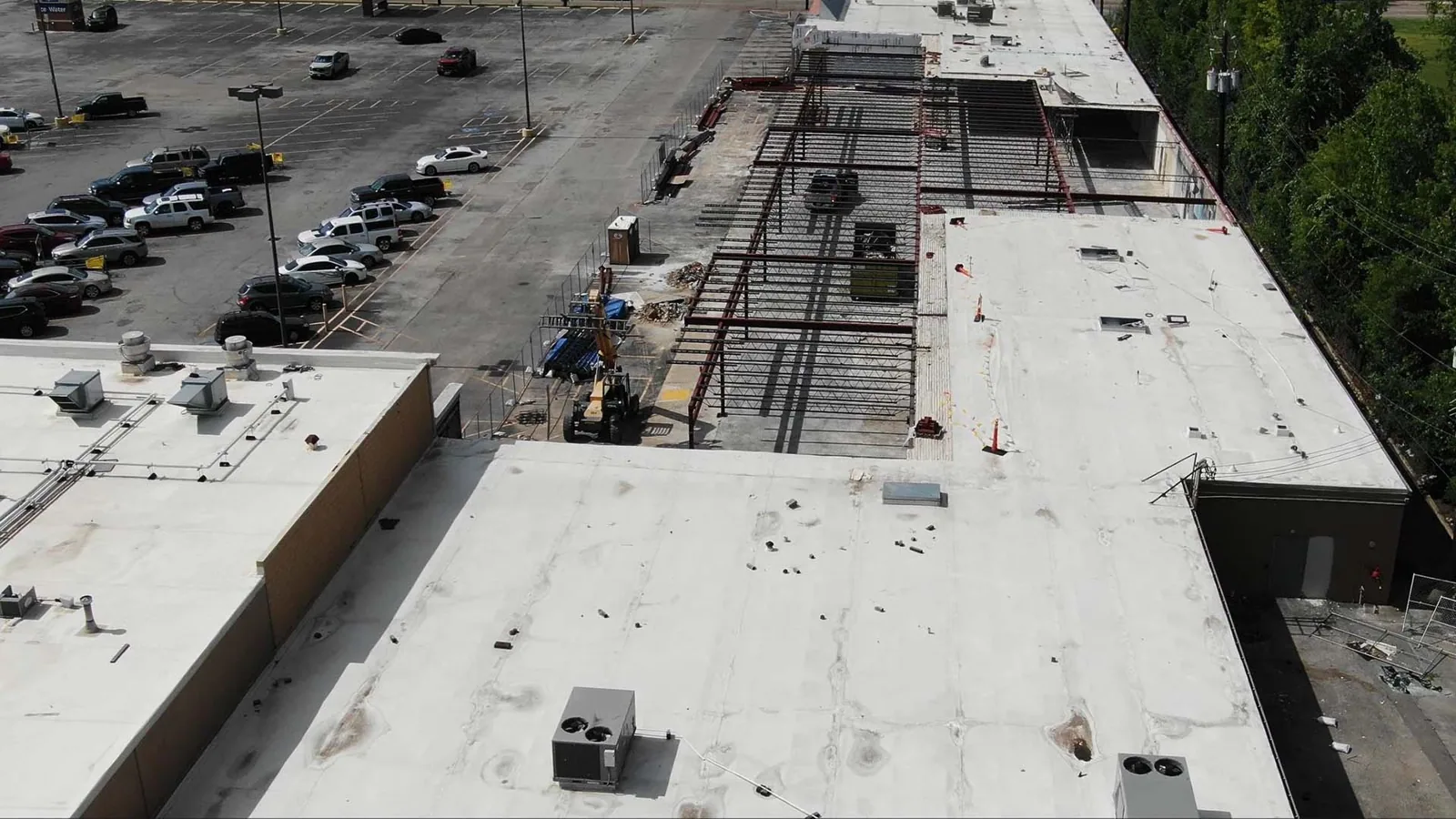
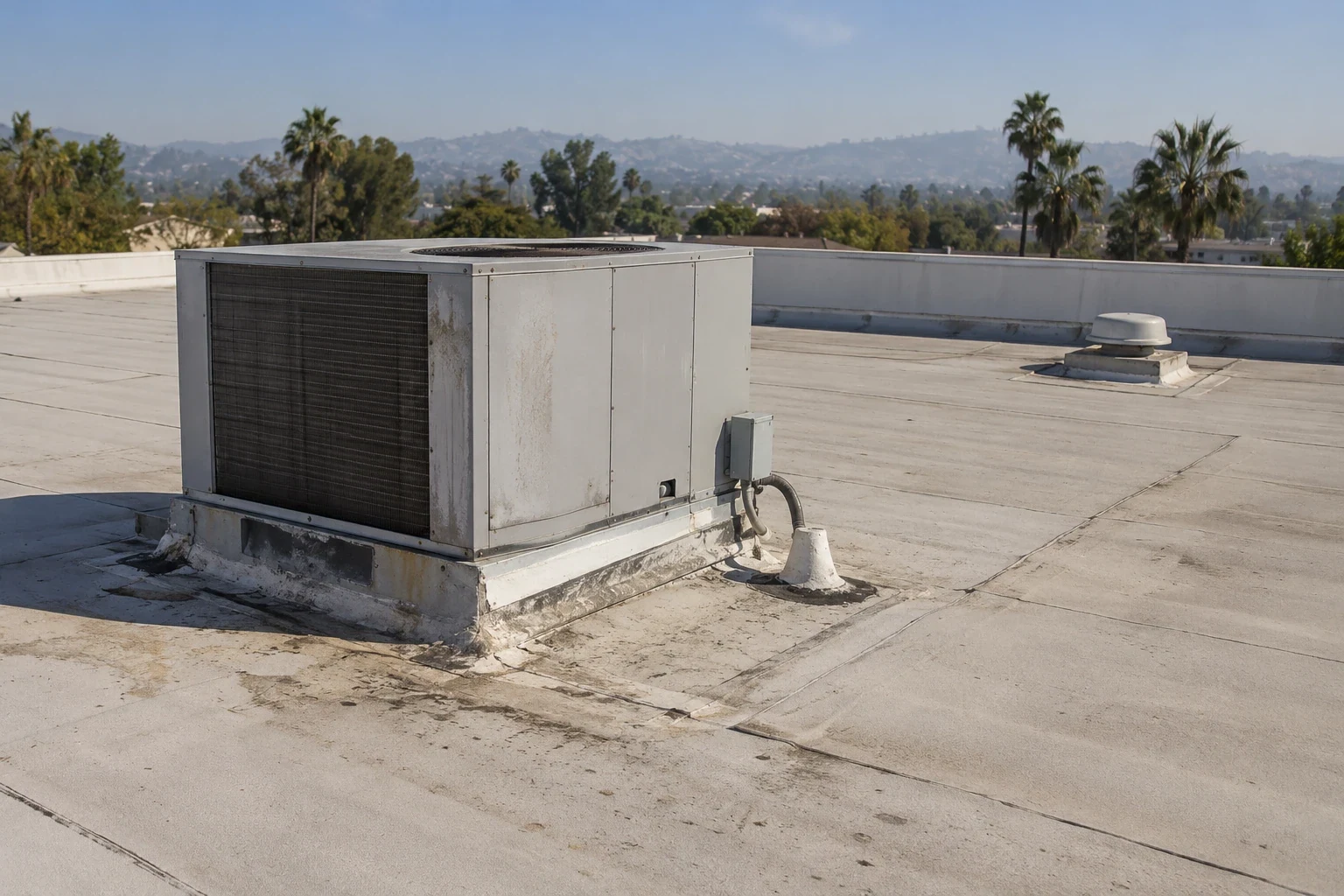
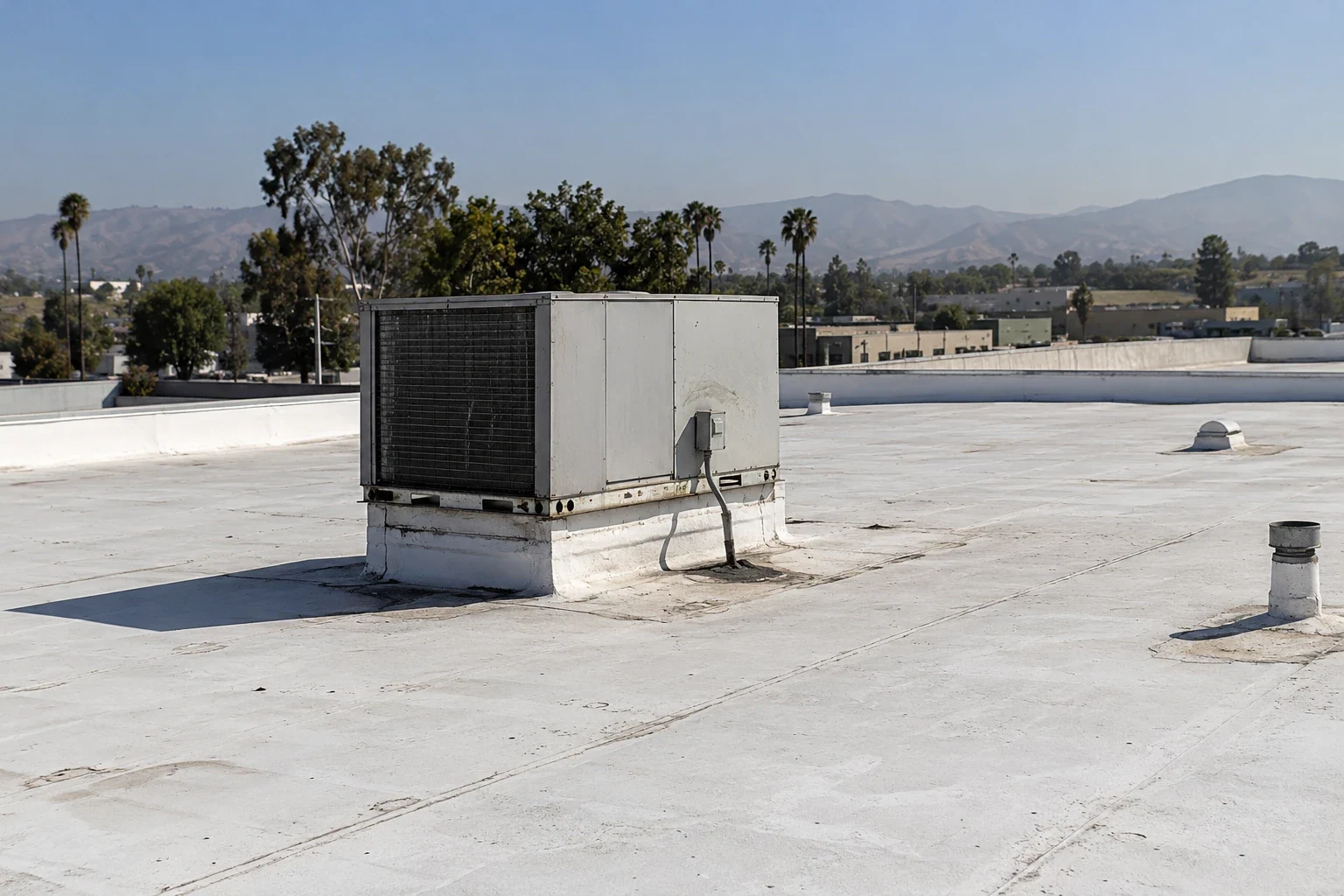
Roof access, delivery routes, equipment shutdowns, tenant schedules, and interior protection can change sequence and duration. Confirm the site contact, approved entry, daily work area, and closeout procedure before mobilization. To sequence an occupied reroof, the work plan should name the active zone, interim seal, and conditions for releasing the next area. A maintenance visit records drains, seams, and perimeter details before a minor condition grows into a larger scope.
Tracy's design criteria place the city in Climate Zone 12 and publish a 101.2-degree two-percent dry-bulb high. That value informs design review, not a roof-surface reading or an application-day forecast. Check current conditions against product instructions, and keep approved plans with any permit work. For projects that need plan submittal, Tracy requests a building-permit application with the relevant plans.
A completed scope should leave the owner with dated photographs, material information, test results, repair boundaries, and any item that still needs access or approval. Our condition report can carry that record into maintenance or capital planning. Tracy's commercial and industrial land-use categories span a broad inventory; they do not imply that each building shares one assembly or service history. Tie every finding to the property and roof zone that produced it, then state the next decision in plain terms.
A roof plan, marked condition photos, access limits, and the evidence behind each repair boundary make the proposal easier to review.
Use an opening when records and visible conditions cannot establish the layer or moisture extent that changes the repair scope.
No. Check the roof and air conditions at the property against the product instructions before application work proceeds.
Access approvals, operating windows, material compatibility, concealed conditions, and temporary protection can all change the sequence.
Send the roof plan, repair tickets, photographs, access rules, and the decision the owner needs documented. We can map the condition and identify whether inspection, testing, repair, or a broader scope review should come next.