Roofing Capabilities in Tracy, CA
Commercial Roofing Tracy
Build a usable commercial roof record in Tracy through condition reports, asset planning, warranty review, due diligence, and multi-property programs.

Build a usable commercial roof record in Tracy through condition reports, asset planning, warranty review, due diligence, and multi-property programs.
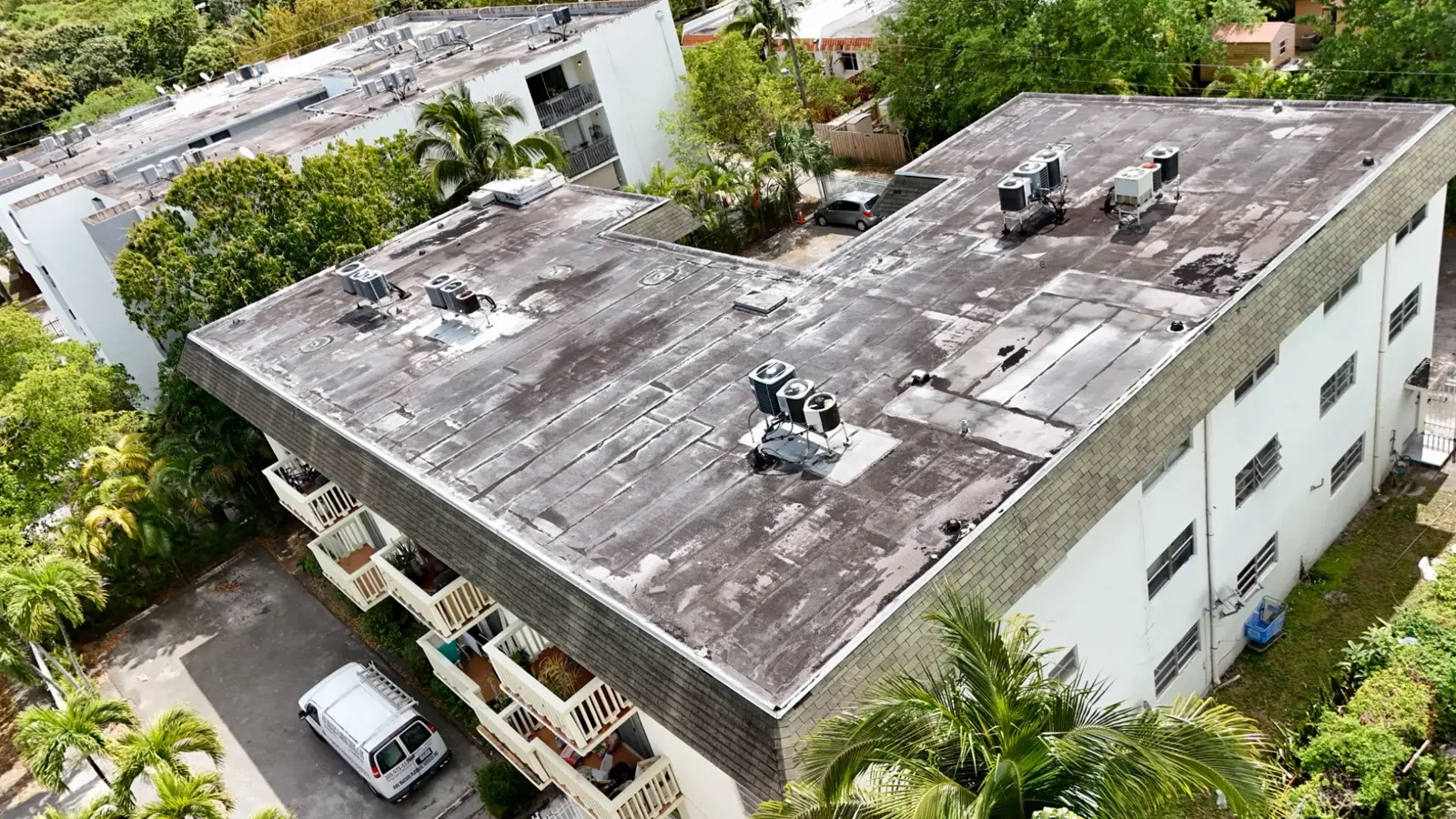
A repair ticket with no roof-zone reference is difficult to compare with the next inspection. We organize the recorded condition, photographs, test results, and access limits so the owner can see what is complete and what still needs a decision. Tracy's commercial and industrial land-use inventory covers broad property categories, while Downtown Tracy and the I-205 Corridor represent distinct planning geographies. Neither tells an owner what is on a specific roof; the asset record must.
A roof condition report can connect a marked photo to the plan, detail, and recommended next action. Warranty management keeps available documents and repair approvals with the assembly record. For a single property or a multi-site roof program, assign consistent building identifiers but retain separate plans, limitations, and findings for each roof.
Tracy's Northeast Industrial PUD includes manufacturing, warehouse, distribution, rail-dependent industrial, and flex-tech designations. That broad use mix can inform an owner's portfolio organization, but it does not establish the system or condition at a given building. Confirm both from records and inspection. A field inspection can mark what was visible and where a test opening or return visit remains necessary.
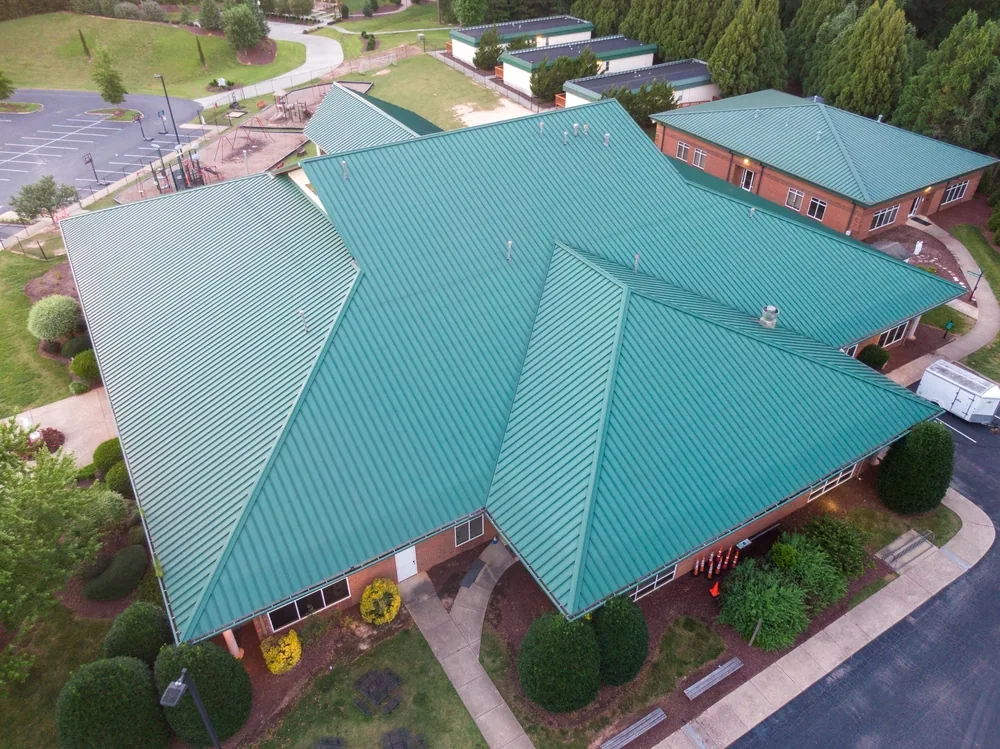
Asset management links current conditions to repair history and maintenance tasks. Capital planning can compare a localized repair, restoration, and replacement using the same roof-zone map. Keep confirmed work separate from allowances for concealed material, untested moisture, or access that has not been approved. Timing and cost can shift with mobilization, staging, material compatibility, and operations below the roof.
Tracy's published criteria identify Climate Zone 12 and wind exposure C, with design review directed to applicable maps and risk category. Use those city values as planning context, then apply the project's drawings and observed assembly to a specific scope. The I-205 Corridor service area can orient regional scheduling; it is not evidence of a roof defect or attachment pattern.
A due-diligence roof survey can identify accessible conditions, prior work, and open questions before a property decision. We note where records support a conclusion and where testing or further access is needed. Downtown Tracy's distinct land-use designation may appear in a portfolio record, but the city geography should remain separate from the building identifier, address, assembly, and transaction scope.
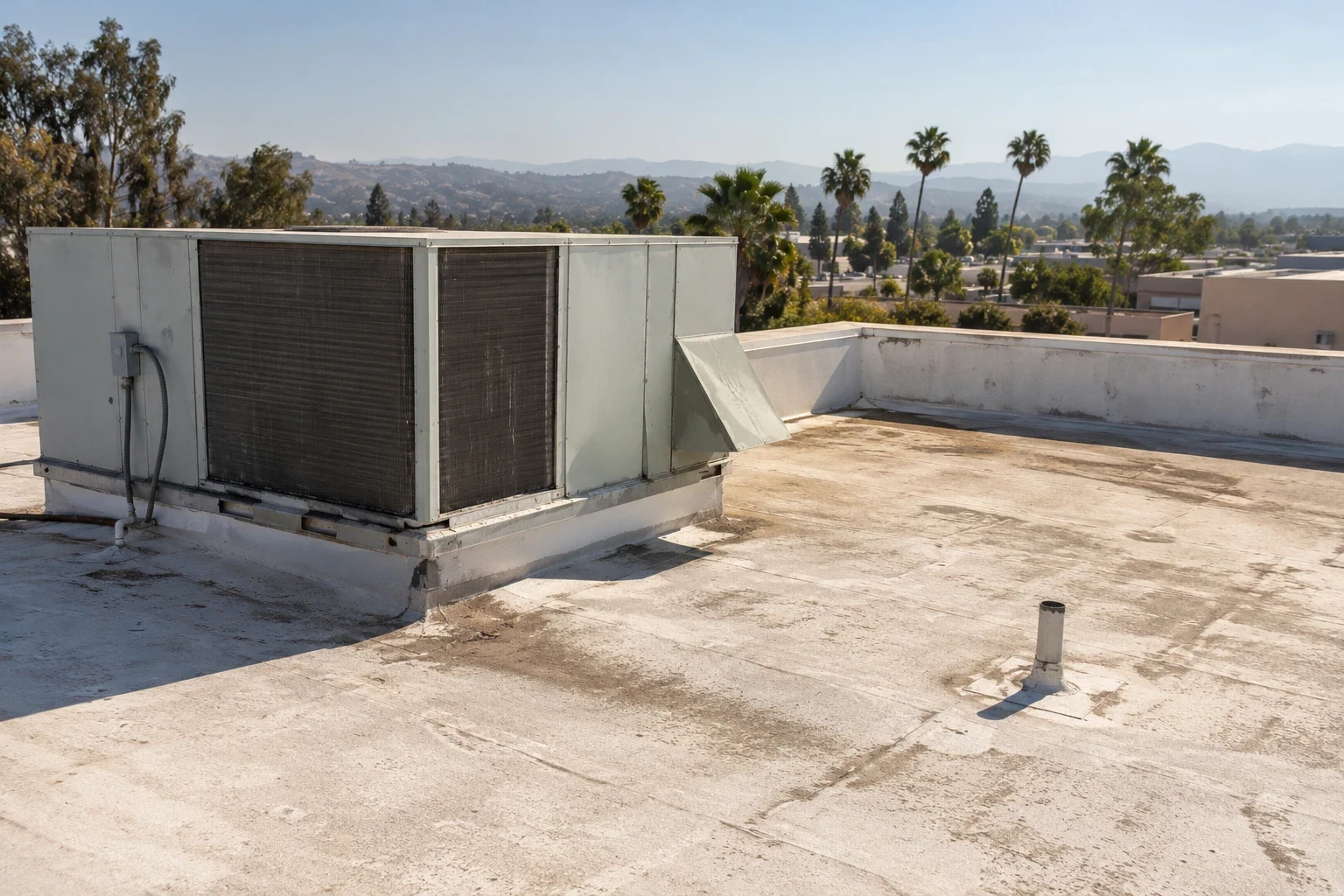
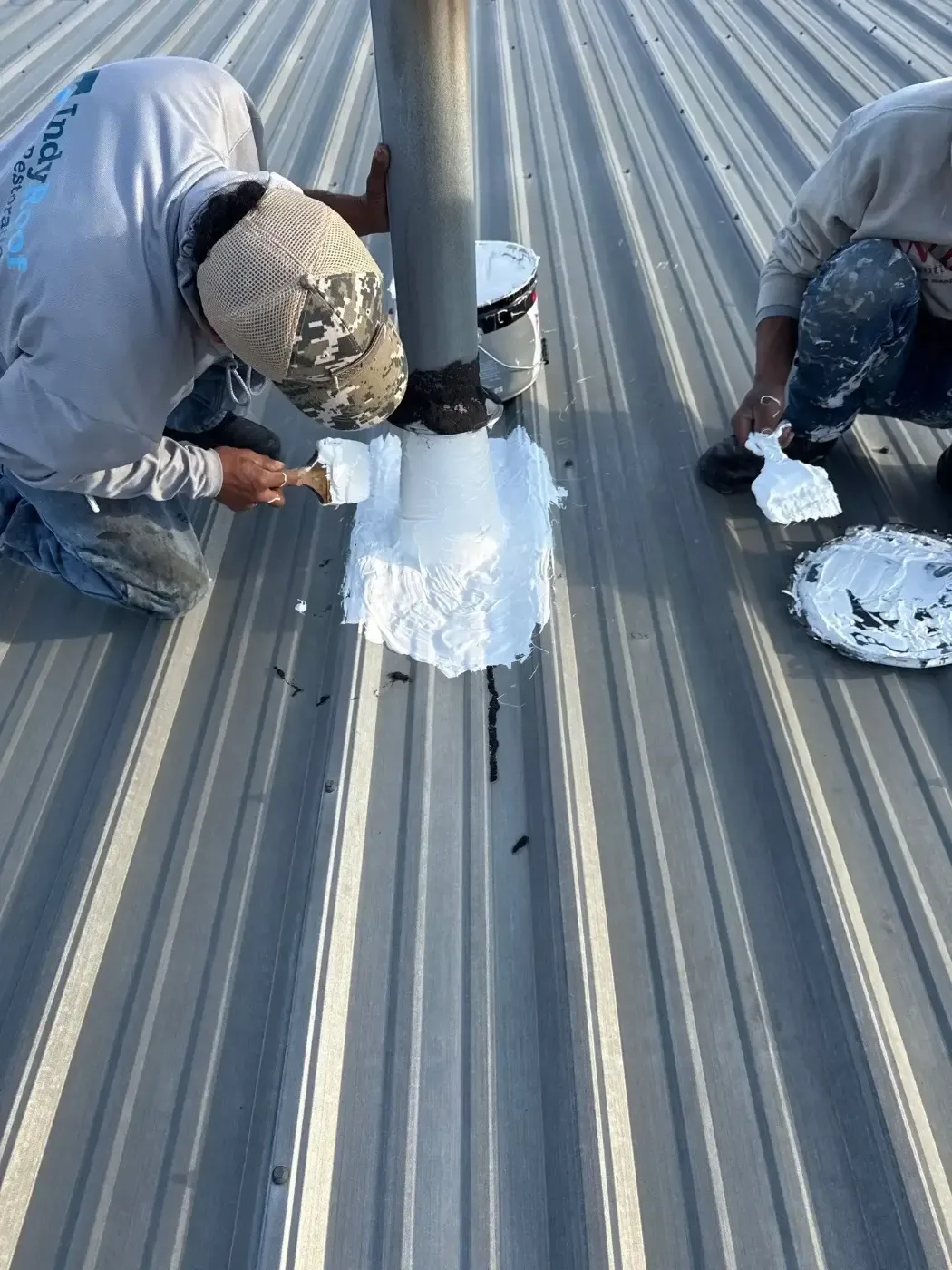
A useful handoff names the current roof layers when supported, dates the photographs, lists completed repairs, and identifies warranty terms supplied by the owner. It should also flag inaccessible areas and approvals needed for future work. A maintenance visit can update that baseline by recording drains, seams, flashings, and perimeter details during routine service.
For each open item, state the responsible contact, required evidence, and decision date. Separate roof work from tasks assigned to another trade or the property team. A clear closeout log helps facilities, finance, and ownership review the same condition without turning an untested observation into a capital quantity.
Keep the plan, dated images, inspection findings, test results, repair limits, access restrictions, and the next action together under the building identifier.
No. Use common identifiers, then retain separate assembly records, condition findings, and limitations for every building.
Compare repair evidence, repeated conditions, test needs, access, and operating constraints before assigning a larger project window.
A survey should show accessible conditions, supporting records, unresolved questions, and any test or access needed before a broader conclusion.
Send the property list, roof plans, prior work records, access rules, and the decision timeline. We can organize the condition evidence and identify which questions need inspection, testing, or an owner approval.