Roof Damage Repair in Tracy, CA
Commercial Roofing Tracy
Document commercial roof damage in Tracy by roof zone, test limit, and repair boundary, with a clear path from immediate protection to permanent work.

Document commercial roof damage in Tracy by roof zone, test limit, and repair boundary, with a clear path from immediate protection to permanent work.
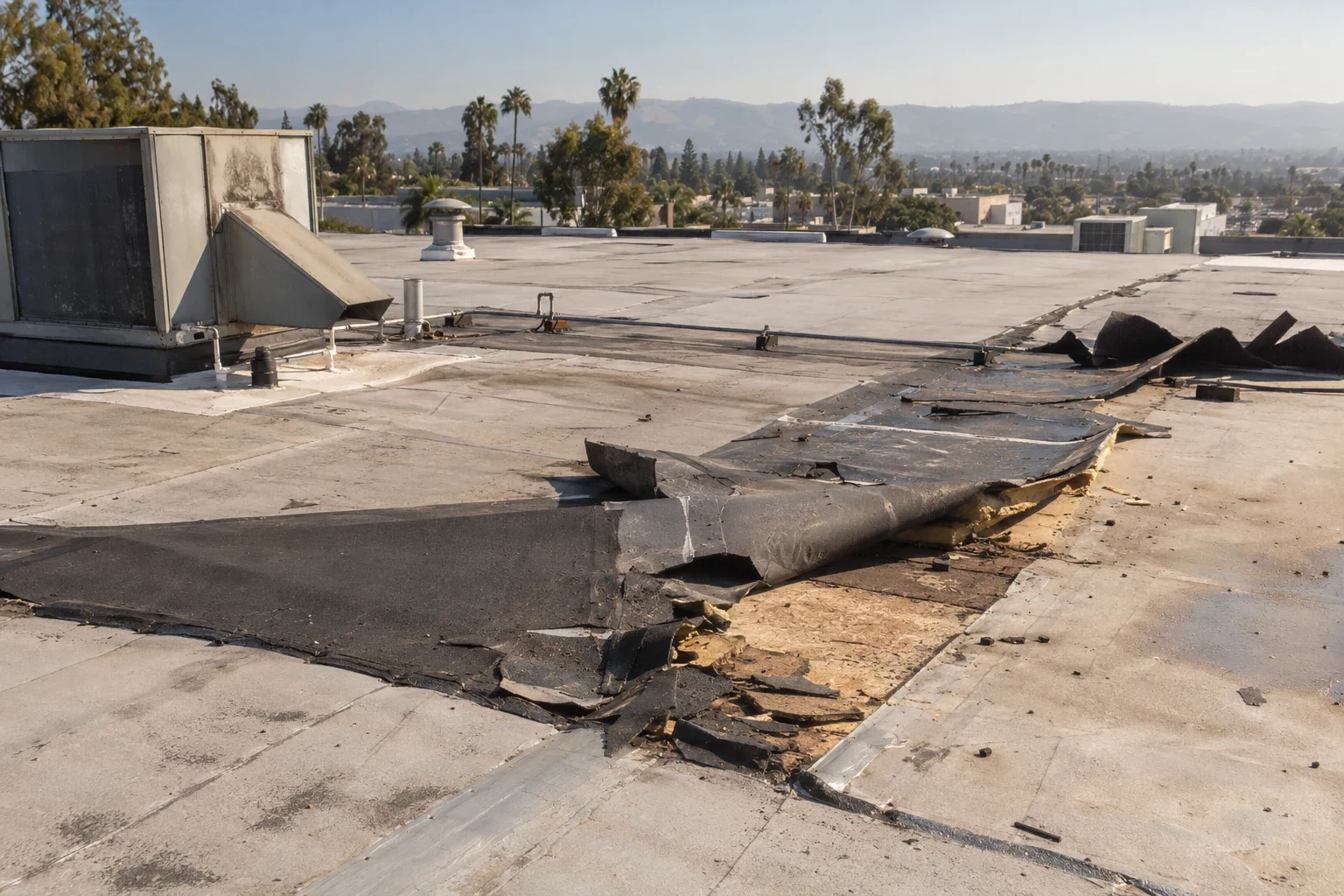
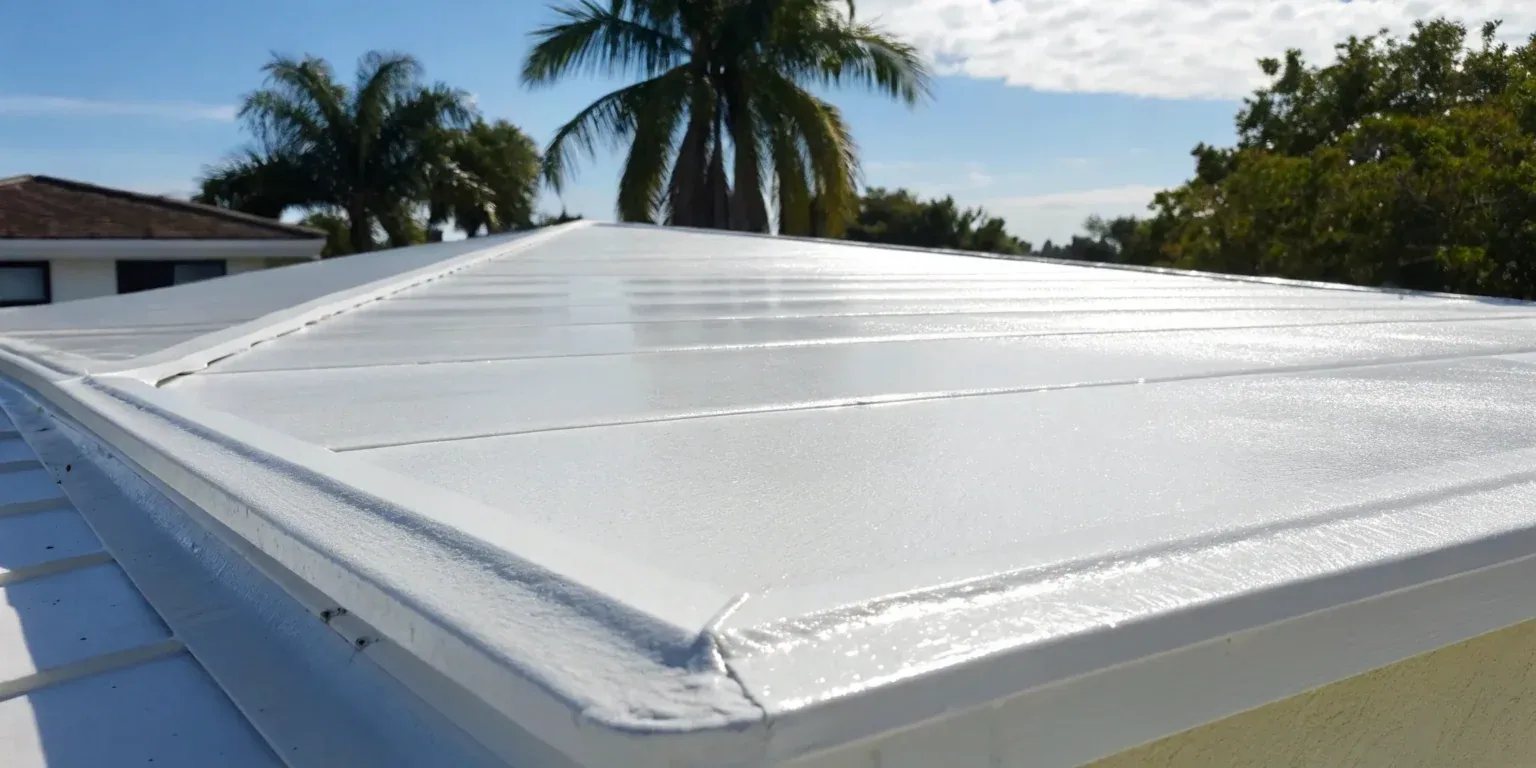
A displaced edge, a split lap, and a ceiling stain are separate observations until their connection is documented. We mark the affected roof zone, photograph the detail, and record whether the path is visible or needs testing. Tracy's criteria provide design context for summer heat and wind exposure, but they do not show that a particular property experienced damage. The repair decision starts with the actual assembly and the report from the building.
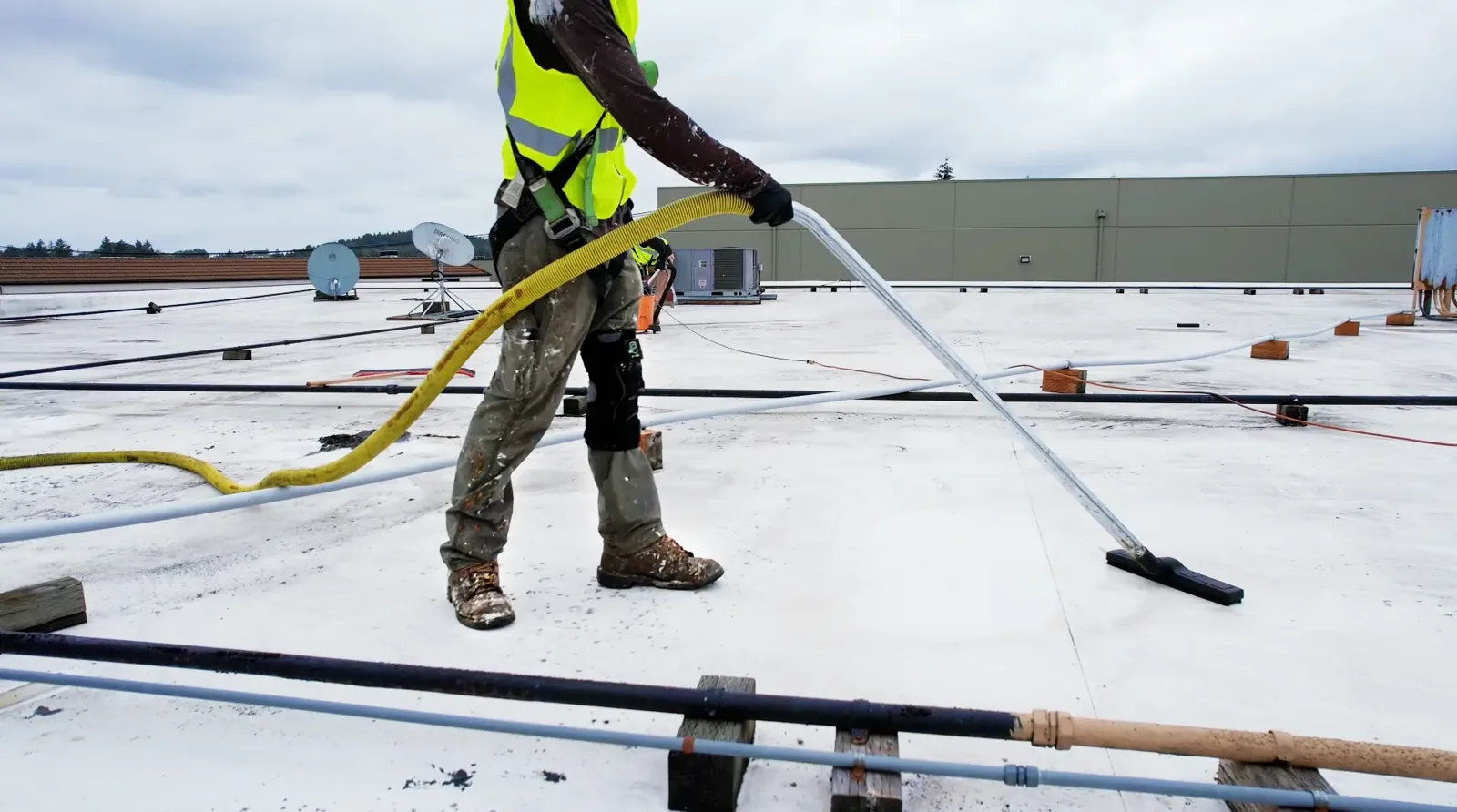
When water is entering, document temporary protection separately from the permanent scope. Note who authorized it, which interior area it protects, and what must be checked before the final boundary is set. An edge or wind-related review records displaced metal, open seams, and adjacent fasteners; a ponding-water assessment traces the drainage path and outlet. Do not combine separate symptoms into one assumed cause.
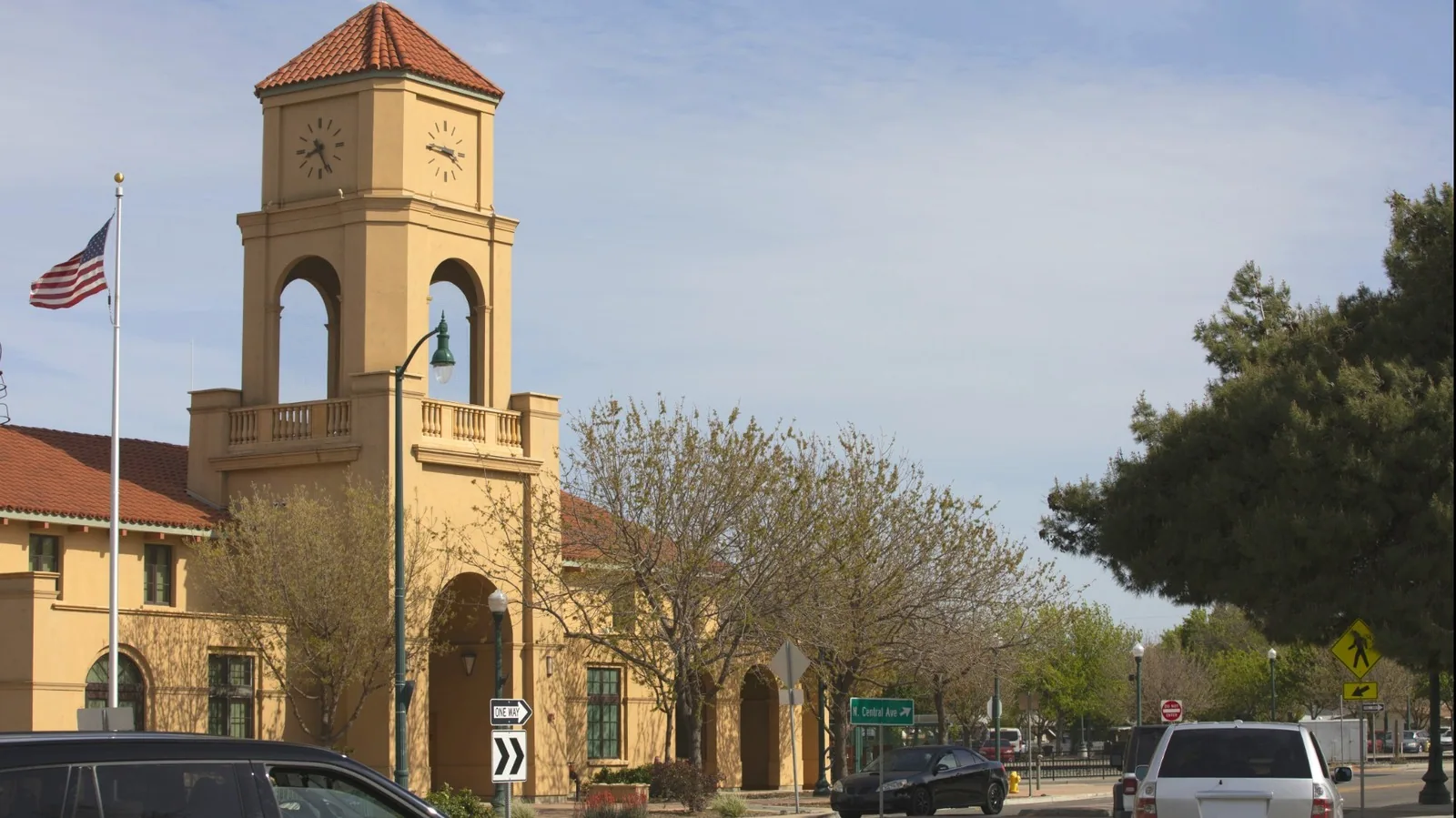
A roof inspection maps visible conditions against the plan. Two broad references help place a work request: Downtown's land-use classification differs from the commercial and light-industrial designations at the Grant Line Road interchange on I-205. Neither label diagnoses a roof. The property record still needs its own plan, entry contact, and access boundary.
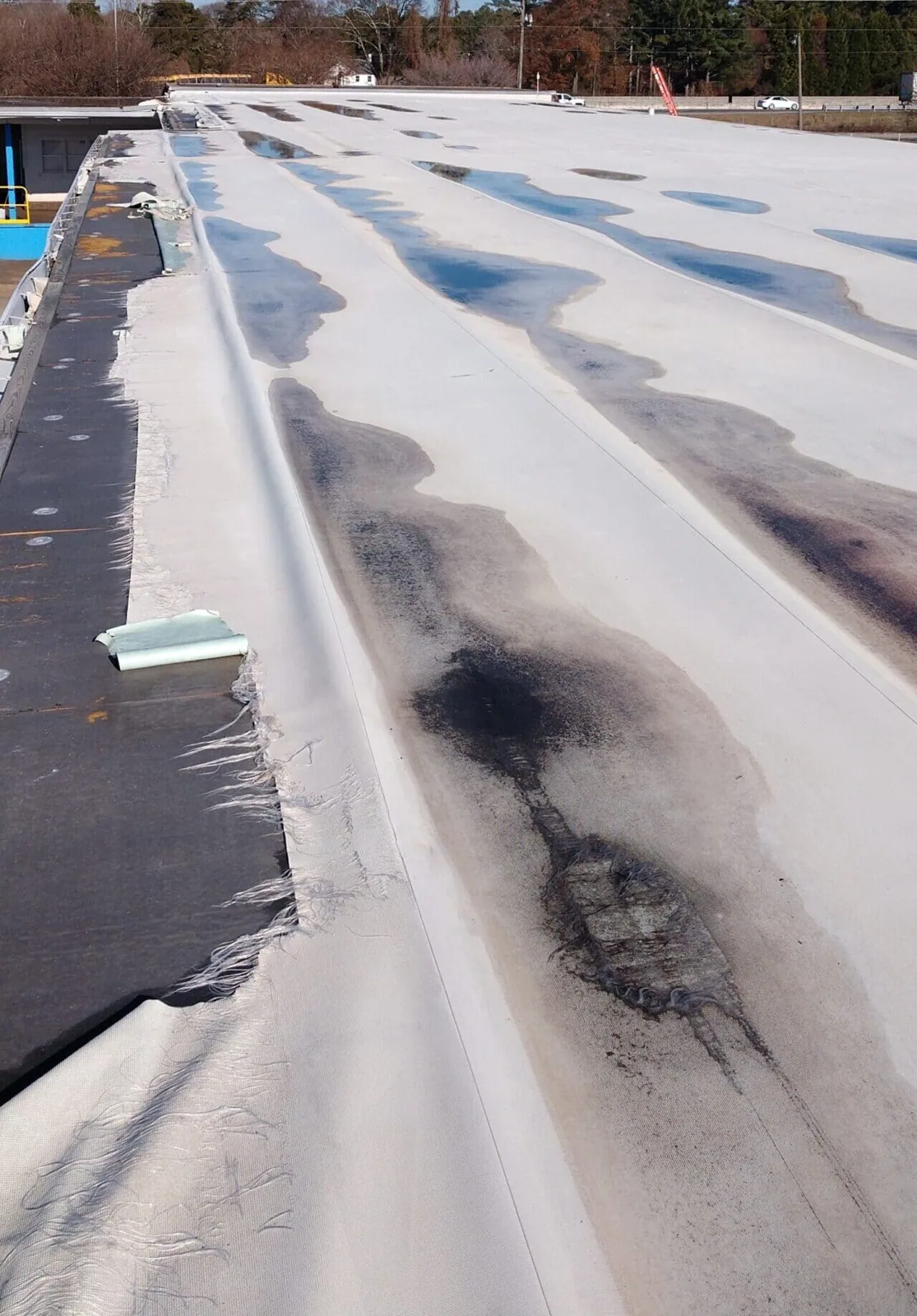
Water near a wall may point to failed flashing, an open seam, a drain detail, or a path that starts elsewhere. A flashing failure check compares the membrane transition, termination, and counterflashing. A seam repair review tests the lap and records where sound material begins. If a puncture or impact is suspected, a membrane puncture assessment should show the opening, surrounding surface, and repair limit.
Tracy's design table lists a 101.2-degree two-percent dry-bulb high for the city in Climate Zone 12. That figure informs design review, not the roof temperature on a repair date. Heat-related surface change needs its own inspection and product context. A heat and UV condition review distinguishes weathering from a layer failure or substrate issue before replacement is considered.
Define the removal area, preparation, repair material, tie-in, and post-work check. Mark nearby details that remain outside the proposal. If concealed moisture or an unfamiliar layer could change the recommendation, specify the test opening and approval needed. A repair can remain local when the receiving surface is stable; repeated failures or confirmed wet substrate may warrant comparison with restoration or replacement. Keep each option tied to the same roof-zone map.
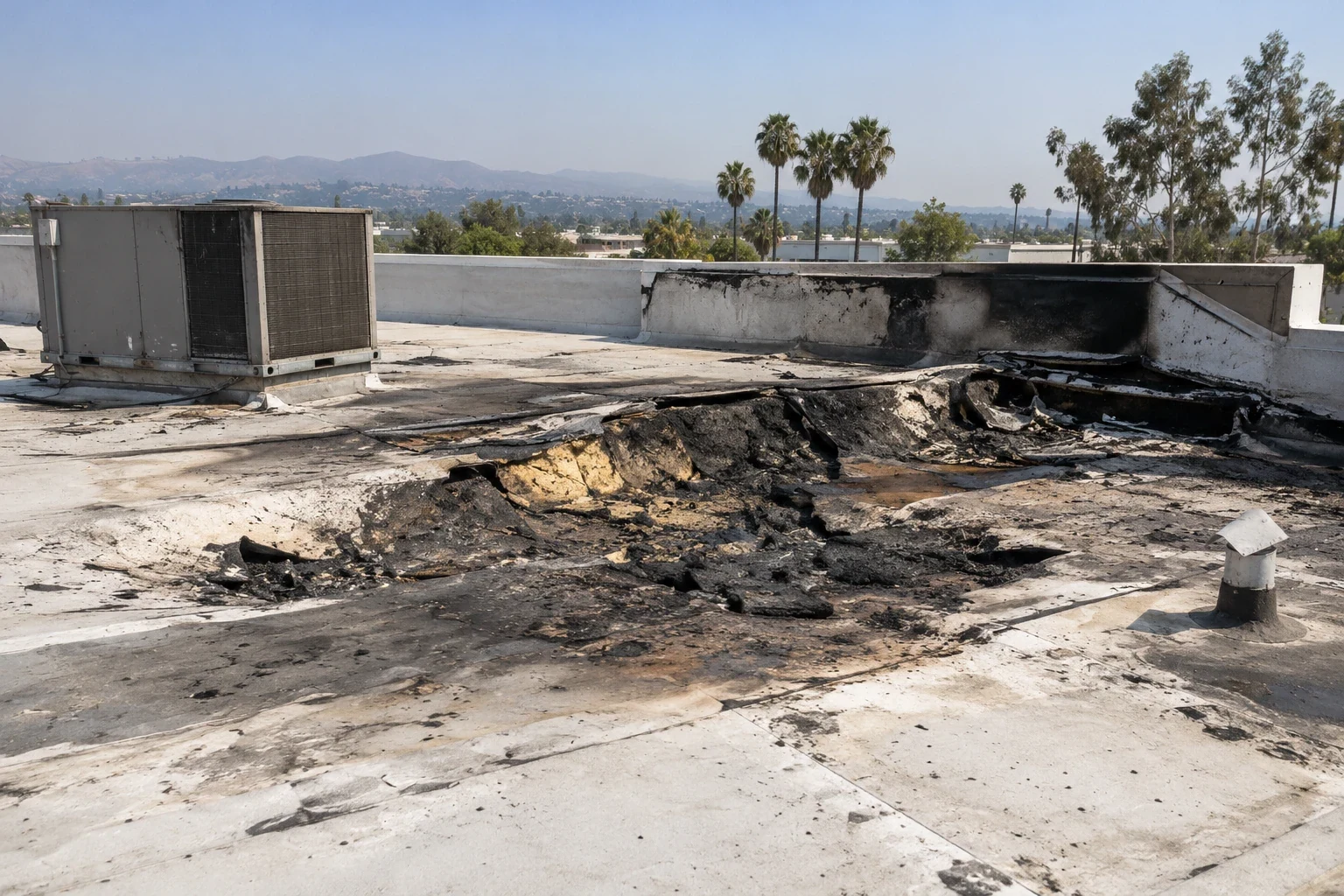
Fire-related damage requires a separate review of affected layers, deck conditions, temporary protection, and any access restrictions. A fire damage assessment records what can be inspected and which questions need other qualified trades. The I-205 industrial context includes a broad range of commercial and light-industrial uses, yet no land-use designation establishes a building's condition or the cause of a loss.
Keep dated photos, field measurements, test results, temporary work, approvals, and final repair limits in one job record. A condition report can carry the marked observations into a later maintenance visit or claim review. If the cause remains open, name the next evidence needed and the party responsible for obtaining it. That keeps a repair recommendation useful without treating an initial observation as a confirmed diagnosis.
Record the reported area, visible entry, owner approval, protection installed, and the permanent question that remains open.
Not by itself. Trace connected seams, flashing, drains, and transitions, then mark any area that needs access or testing.
Expand only when repeated failures, moisture testing, or unstable adjacent layers support a larger boundary.
No. They are design data for Tracy. Inspect the property and use the installation record to determine what happened to its roof.
Send the roof plan, incident report, repair tickets, photographs, access rules, and any temporary protection record. We can map visible damage and identify the evidence needed to set a permanent repair scope.