Roof Systems in Tracy, CA
Commercial Roofing Tracy
Compare commercial membrane, metal, foam, and coating systems in Tracy by existing assembly, drainage, attachment, repair access, and owner priorities.

Compare commercial membrane, metal, foam, and coating systems in Tracy by existing assembly, drainage, attachment, repair access, and owner priorities.
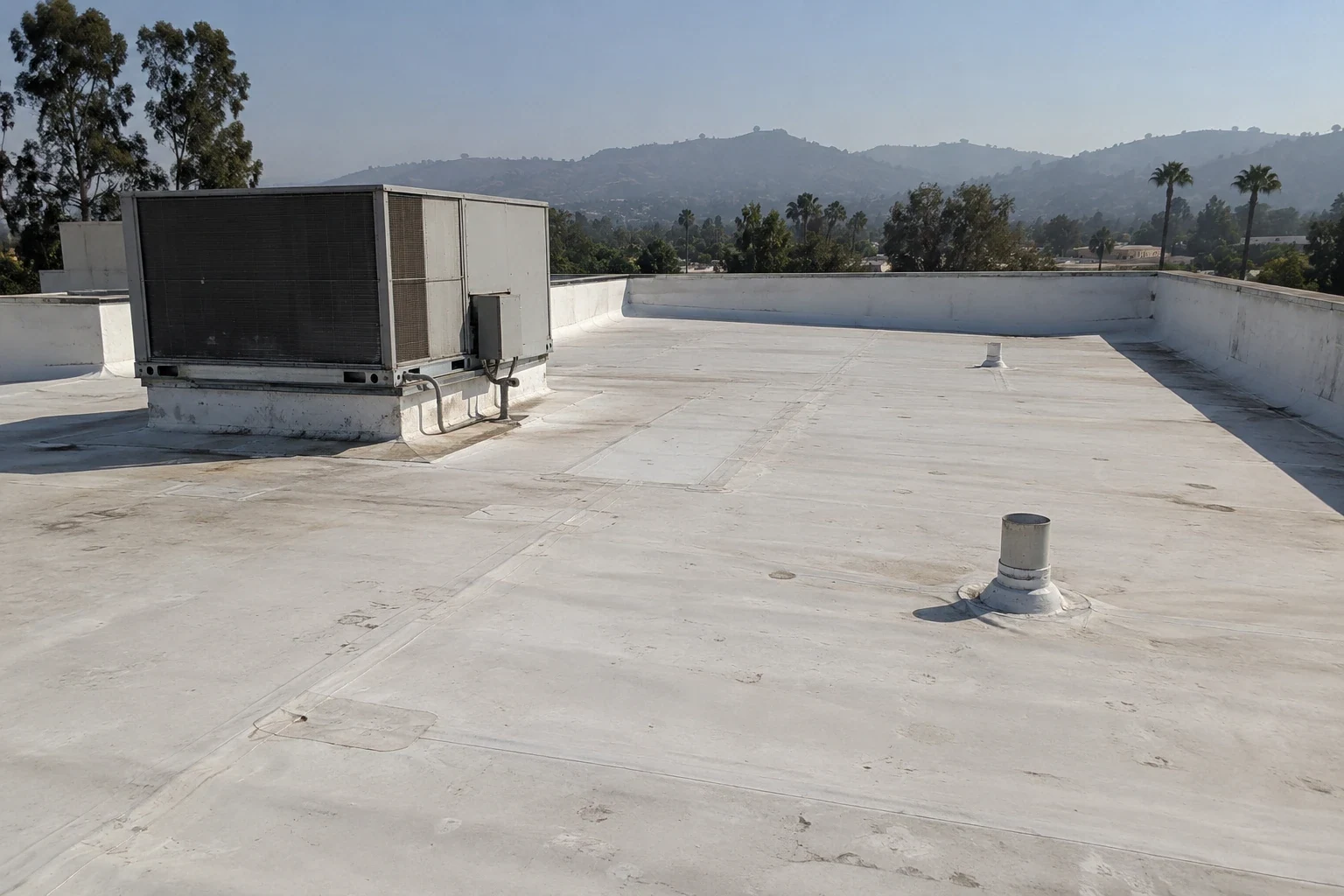
A blistered coating beside a drain is a different decision from an open lap at a perimeter curb. Start with the assembly record, mark the affected roof zone, and determine whether the visible layer can receive a compatible repair. Tracy's published design criteria identify a summer heat input and wind exposure category, both of which inform design review. They do not replace inspection of the actual surface, edges, deck, and transitions.
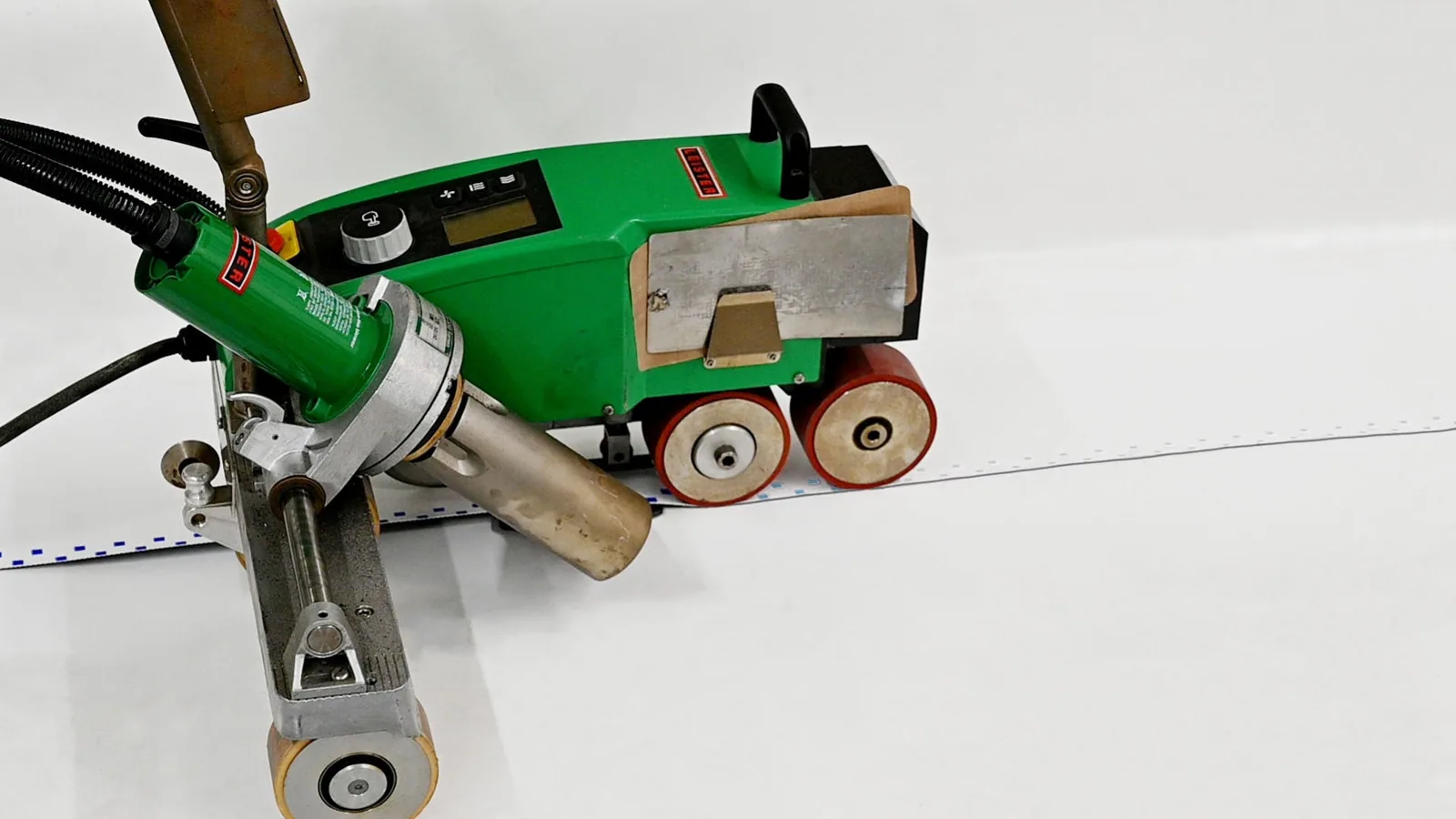
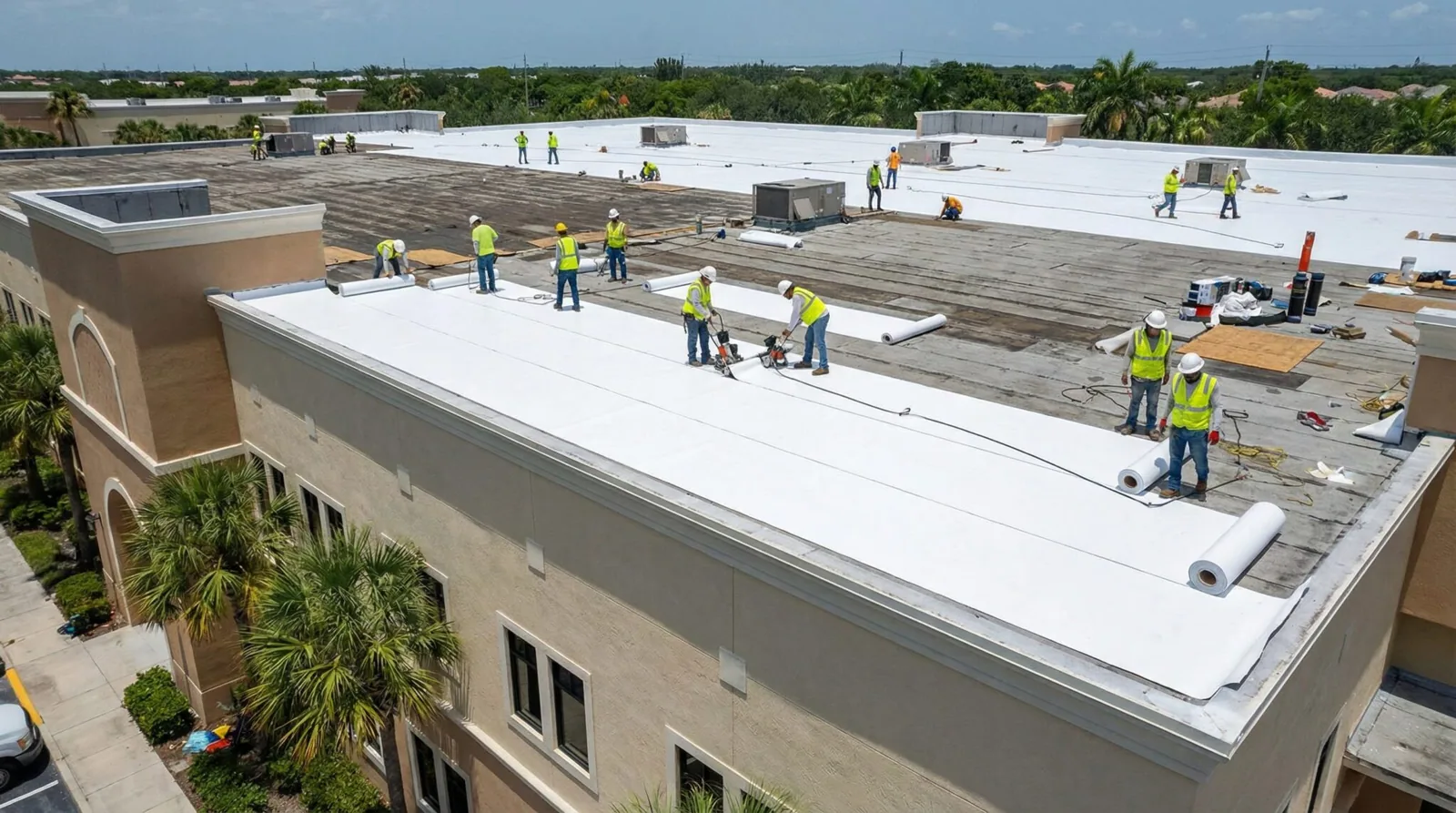
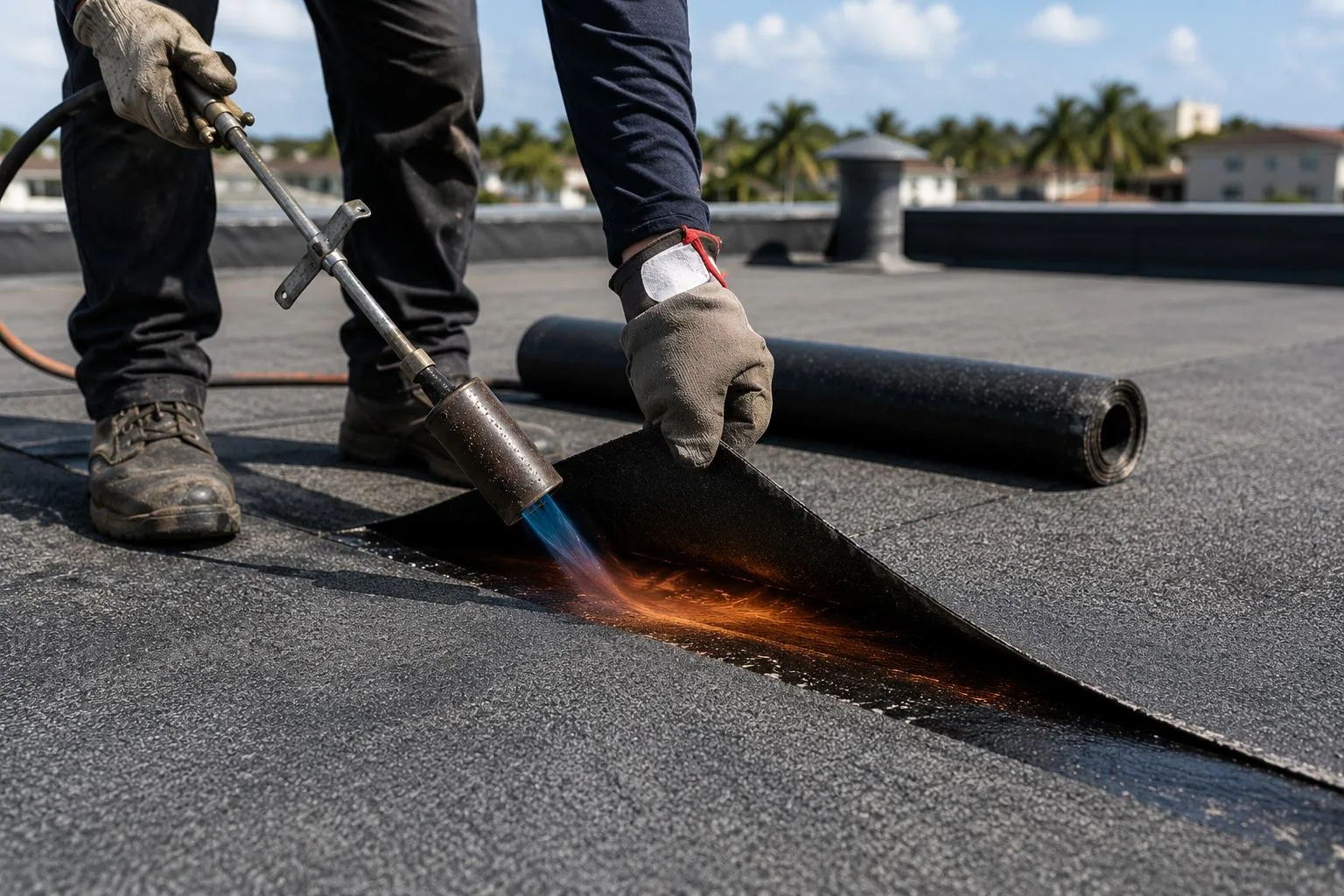
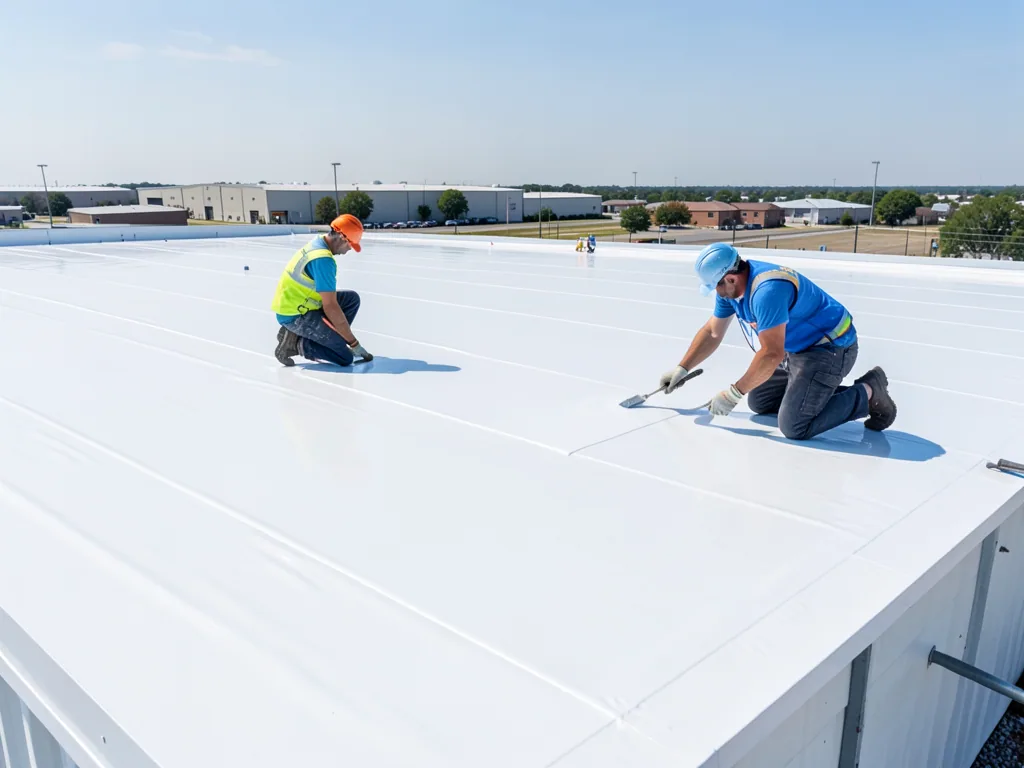
Thermoplastic sheets rely on welded laps, while EPDM uses adhered or mechanically fastened seams and compatible flashing details. Modified bitumen and built-up roofs have layered assemblies that need a different repair boundary. A TPO review, EPDM inspection, or modified bitumen assessment should record the installed sheet, prior patches, attachment, and condition of the material that receives the tie-in. A label alone does not establish what sits below.
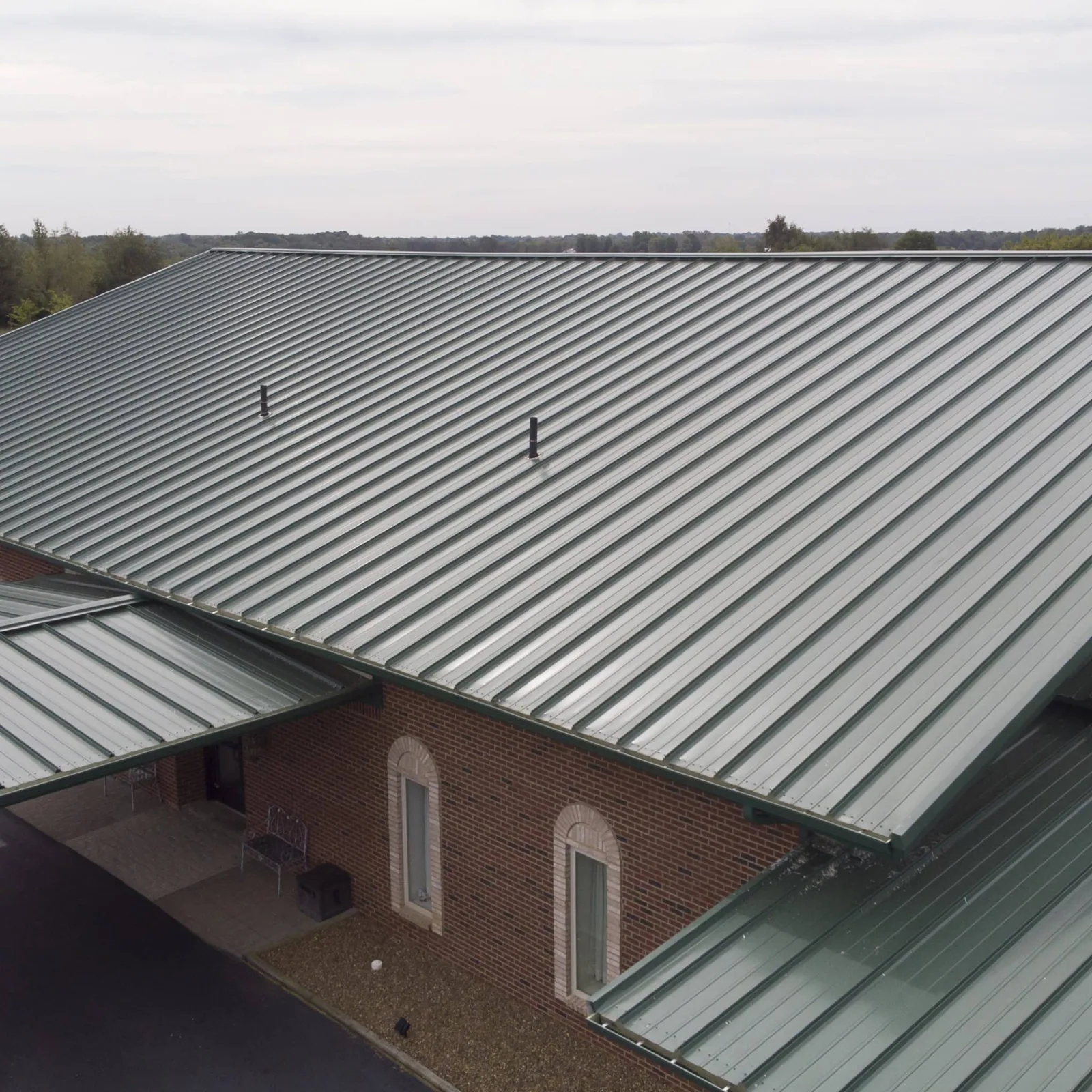
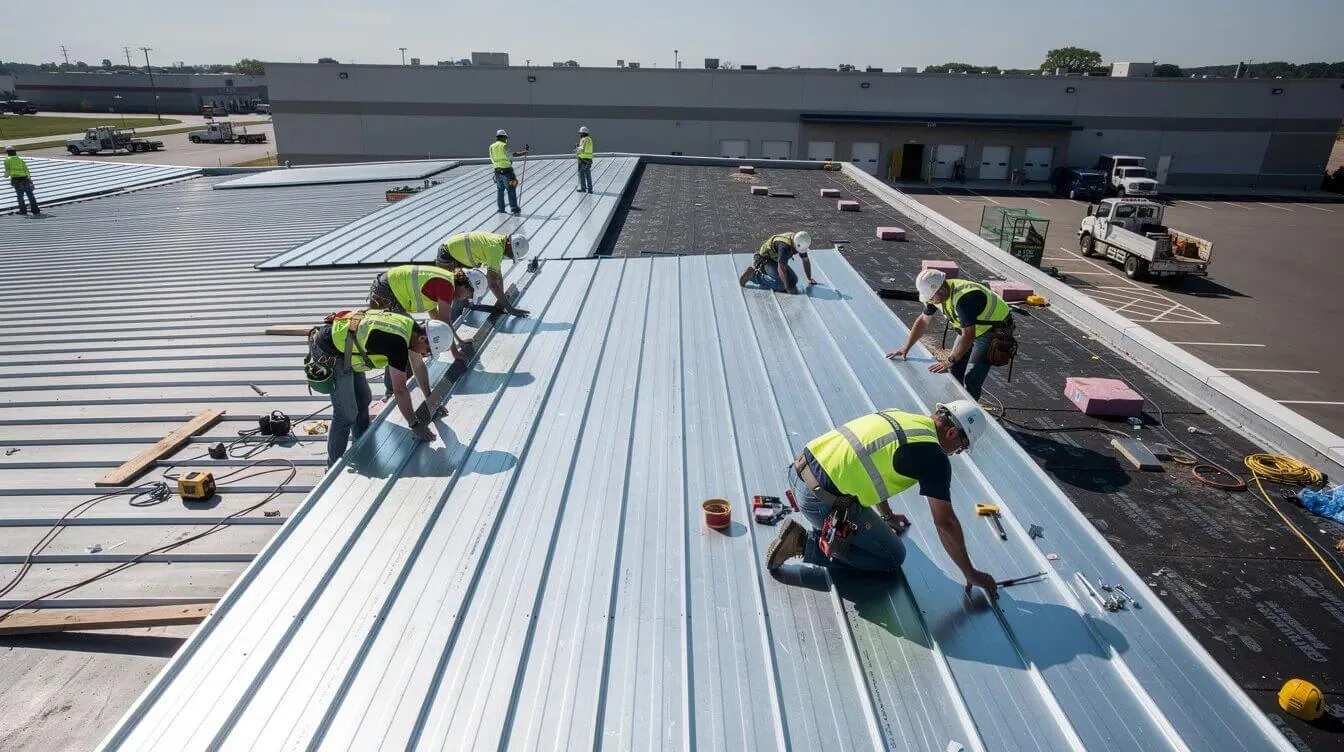
On metal, inspect panel seams, fasteners, clips, flashings, and movement at transitions. A standing seam system and a metal retrofit assembly have different interfaces with the supporting roof. Photograph loose or corroded details with a fixed reference, then mark whether the proposed work changes a panel, fastener, flashing, or substrate.
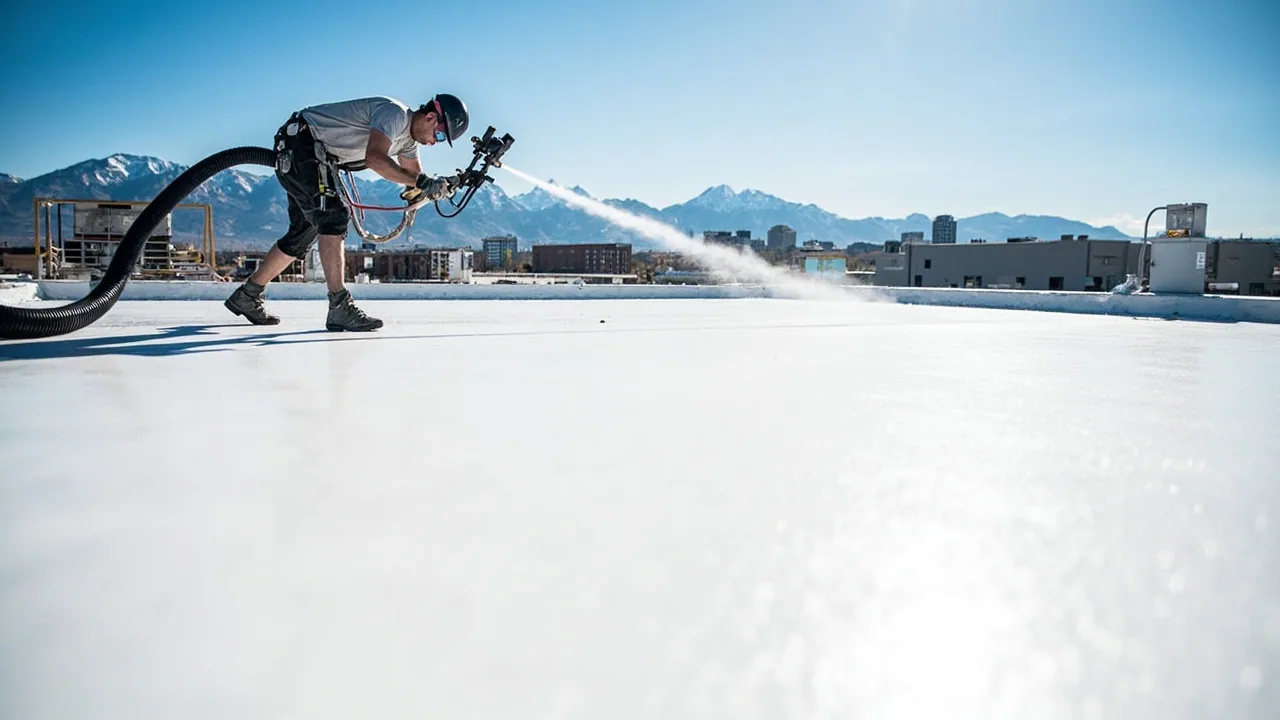
Coatings and spray foam can extend a usable assembly only when substrate condition, moisture, adhesion, drainage, and terminations support the proposed build-up. A silicone coating review or acrylic coating evaluation should identify test locations and the result that would stop work. Spray foam adds its own surface preparation, thickness, and protective coating checks. Do not price these options from color or surface appearance alone.
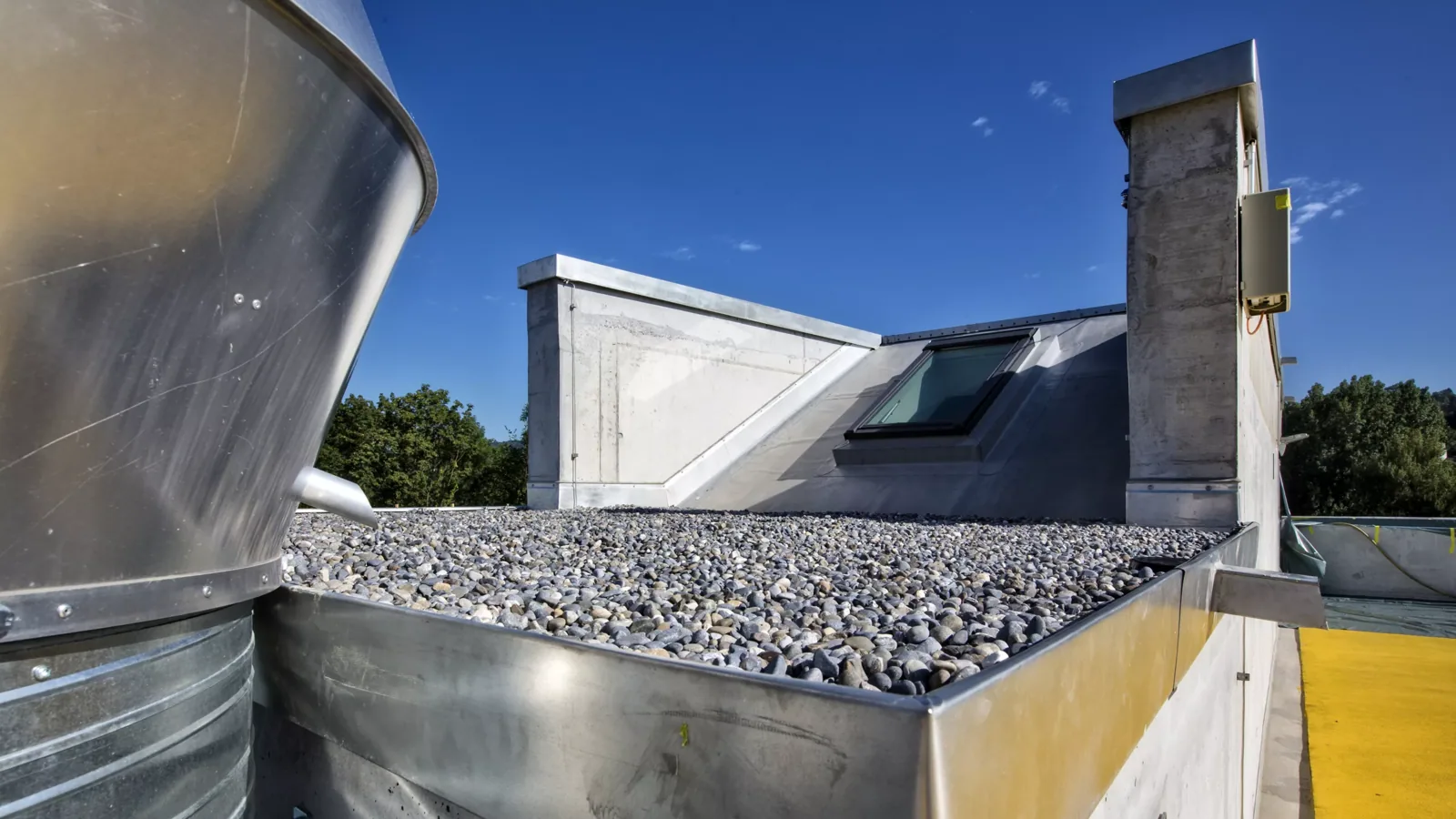
Where existing layers are uncertain, an authorized opening can establish substrate evidence and compare the field condition with drawings. The Northeast Industrial PUD planning area includes manufacturing, warehouse, distribution, rail-dependent industrial, and flex-tech uses. That range describes broad land use, not any building's roof. Our inspection records the actual assembly and access limits before a recover or overlay is considered.
In Tracy's criteria, Zone 12 appears with a 101.2-degree design dry-bulb benchmark at the two-percent level. The entry belongs to municipal design data, not a surface thermometer or a prediction for coating day. The same publication assigns Exposure C and sends wind-speed decisions to mapped inputs and a risk classification. Confirm edge work against project drawings and observed geometry.
The I-205 Corridor area includes commercial and light-industrial uses near Grant Line Road and the freeway. That geography can orient a service request, while the roof plan and property contact determine the inspection route. For a seam or edge concern, a repair scope should name its limit, materials, tie-in, and closeout check.
Compare repair, recover, restoration, and replacement using the same zone map, layer count, moisture findings, and drainage record. Note what remains concealed, which test could change the recommendation, and how each option handles edges and penetrations. Cost and timing depend on access, removal, disposal, staging, material compatibility, and operating windows. A clear assembly record helps the owner compare the work rather than a product label.
Check existing layers, adhesion, moisture, drainage height, and terminations. Mark the test area and the result that would change the proposed scope.
No. Confirm the field material and layers through records, visible edges, or an approved opening before pricing a tie-in.
Tracy's criteria are a design reference. Review the property's approved details, roof geometry, attachment evidence, and applicable wind maps before changing perimeter work.
Use one roof-zone plan and compare repair limits, compatibility, drainage, access, concealed conditions, and closeout requirements for each option.
Send the roof plan, past repair records, photographs, access rules, and the decision deadline. We can identify the installed system, mark test needs, and define a repair or replacement boundary for review.