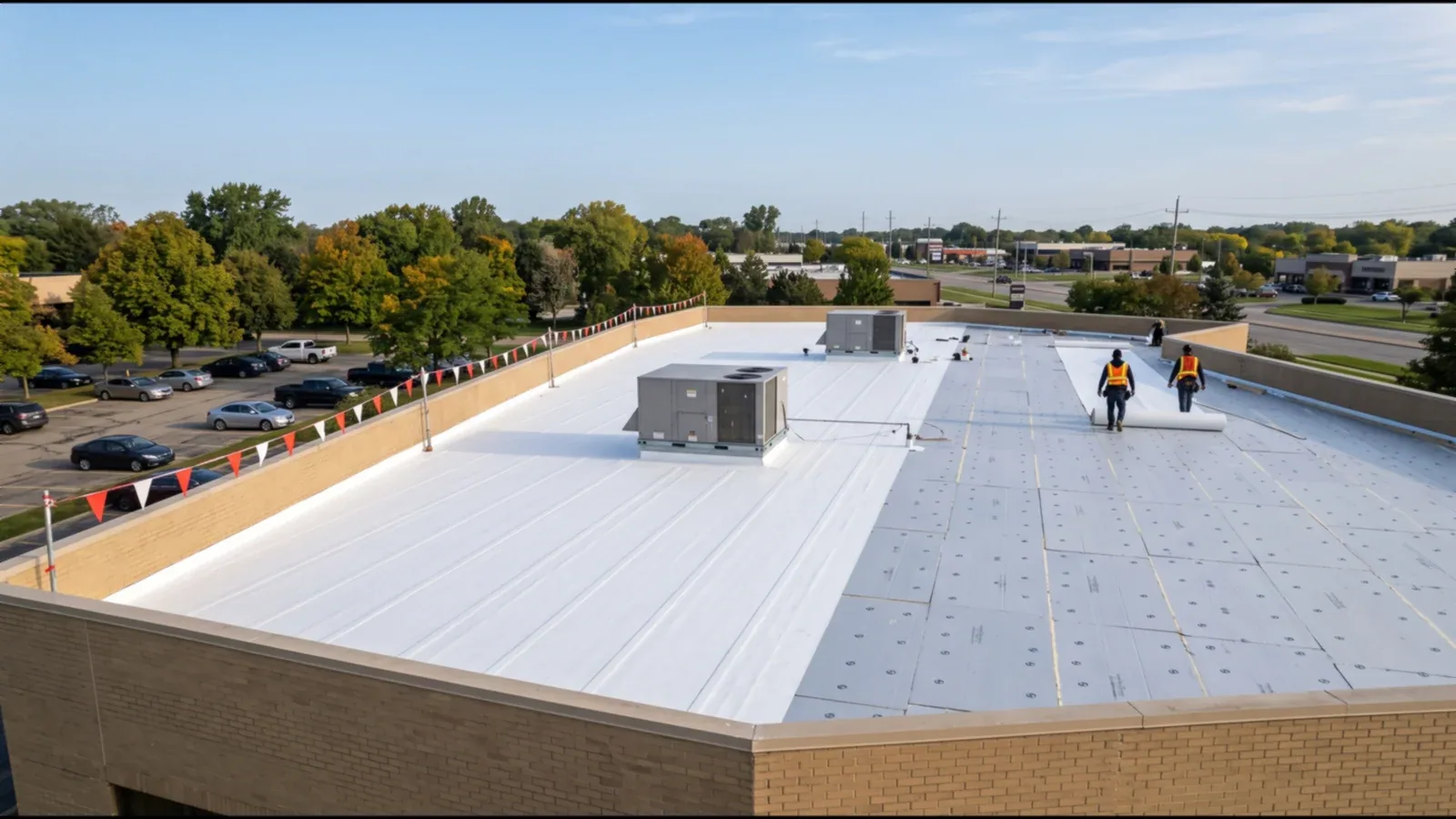
Spray Polyurethane Foam Roofing in Tracy, CA
Roof Systems
Evaluate spray foam adhesion, drainage, coating condition, and repair limits for commercial roofs in Tracy. Get a documented scope before work begins.

Evaluate spray foam adhesion, drainage, coating condition, and repair limits for commercial roofs in Tracy. Get a documented scope before work begins.
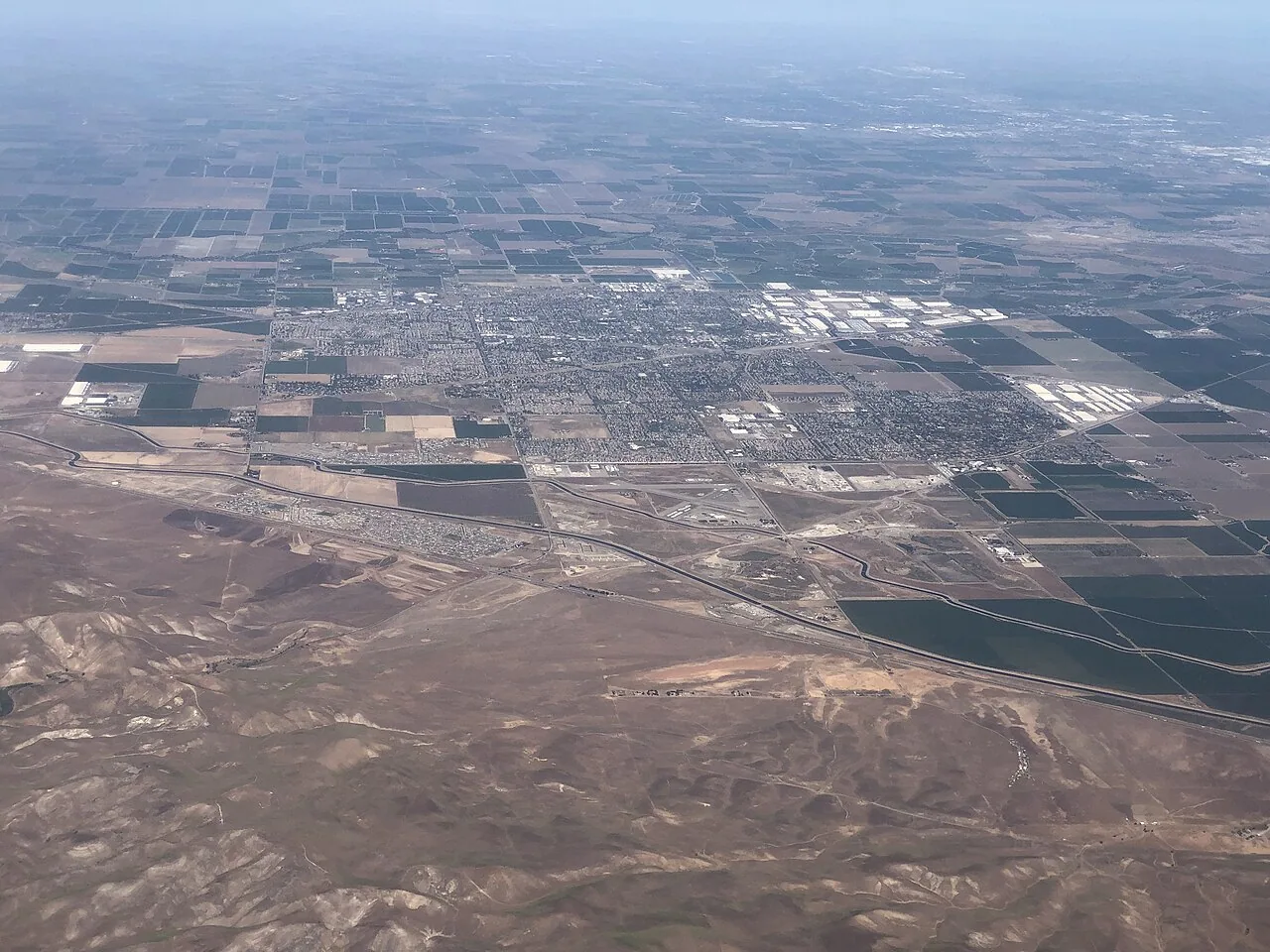
A split in the protective coating can expose spray polyurethane foam to water and sunlight. The first step is to map the damaged area, check whether the foam beneath it remains dry and bonded, and identify how the roof drains. A surface patch is appropriate only when the surrounding foam and coating provide a sound boundary. We document the roof zones, visible defects, moisture indicators, and any limits on what could be inspected before recommending repair or broader restoration.
Tracy's climate classification is Zone 12, and the 2-percent dry-bulb value used for design is 101.2°F. Neither figure measures this foam surface or predicts its coating conditions. Select an SPF-compatible coating and work window from the product instructions and observations at the property. A commercial roof inspection can establish the existing assembly and define where further testing is warranted.
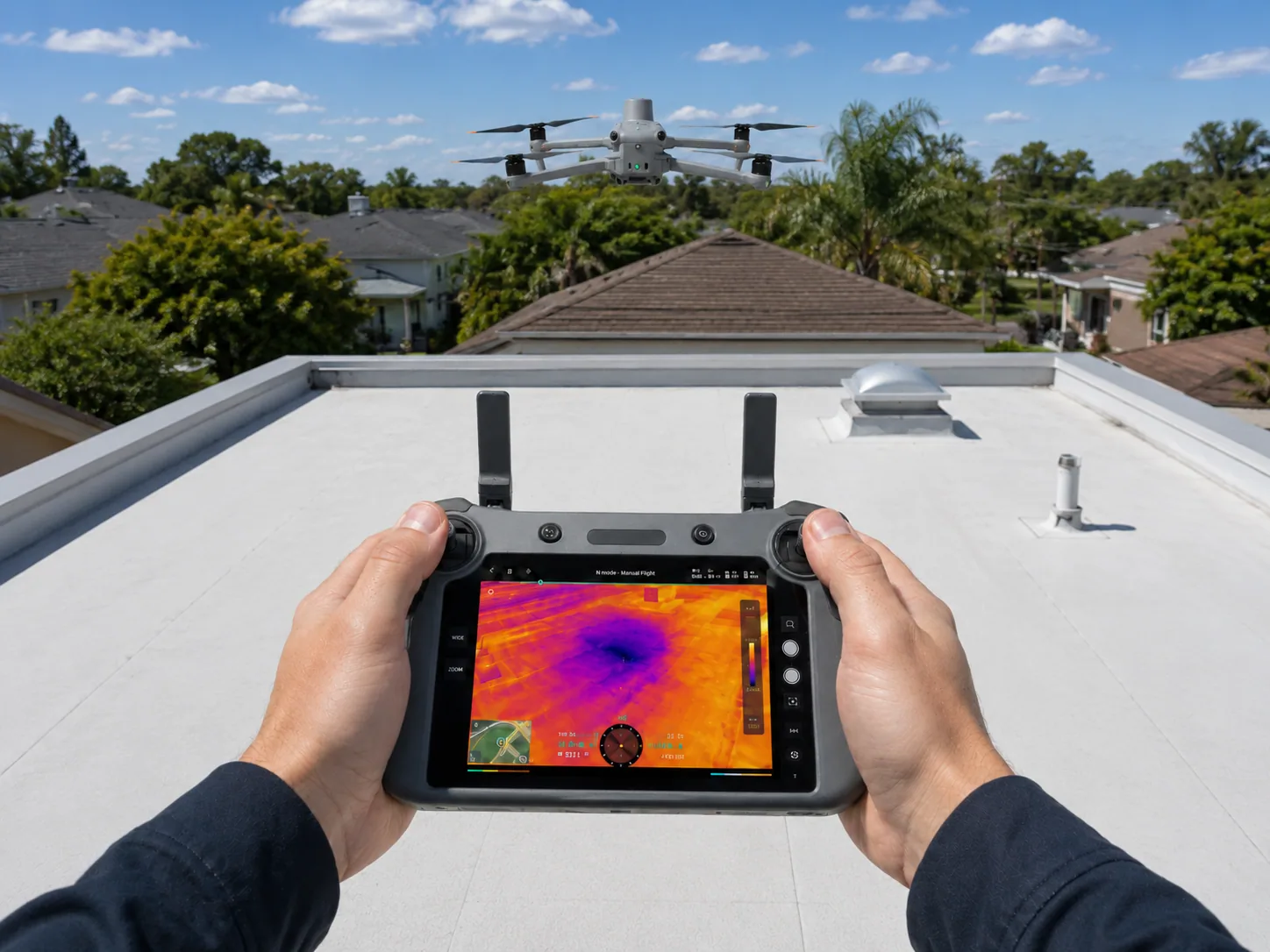
Start with a roof plan that separates field areas, drains, penetrations, parapets, and previous repairs. Note coating splits, blisters, erosion, exposed foam, impact damage, and locations where water remains after drainage should have occurred. Take overview and close photographs with repeatable zone labels. Distinguish visible deterioration from suspected trapped moisture; a darkened or weathered surface alone does not prove the foam is wet. That distinction keeps a repair allowance tied to observed conditions instead of assumed removal.
At each transition, check whether the foam terminates cleanly and whether the coating protects the edge. Cracks near a curb, pipe, or equipment support may reflect movement or a detail that interrupts drainage. Record the substrate, flashing, and coating layers that can be seen without lifting material. A moisture survey may help select test areas when roof construction and conditions suit the method; its coverage and limitations belong in the report.
Repair preparation should remove loose or degraded coating until the remaining surface can accept the specified materials. Inspect the exposed foam for softness, crumbling, water, or loss of adhesion. Where deterioration continues below the coating, extend the repair to sound foam and create a clean transition rather than sealing across a weak edge. Record the limits before new material is placed. If an opening reveals wet insulation or an unexpected substrate, stop and obtain approval for the added work instead of extending the scope informally.
Material compatibility matters at every layer. Follow the selected system instructions for cleaning, primer, foam repair, coating thickness, and cure conditions. Keep repair products identified in the closeout record so future work does not introduce an incompatible patch. A silicone roof coating may be part of a restoration approach when the existing foam and surface meet the coating requirements; the coating alone cannot correct unsound foam or a failed drain detail. An acrylic coating has its own system limits, so verify compatibility before specifying either option.
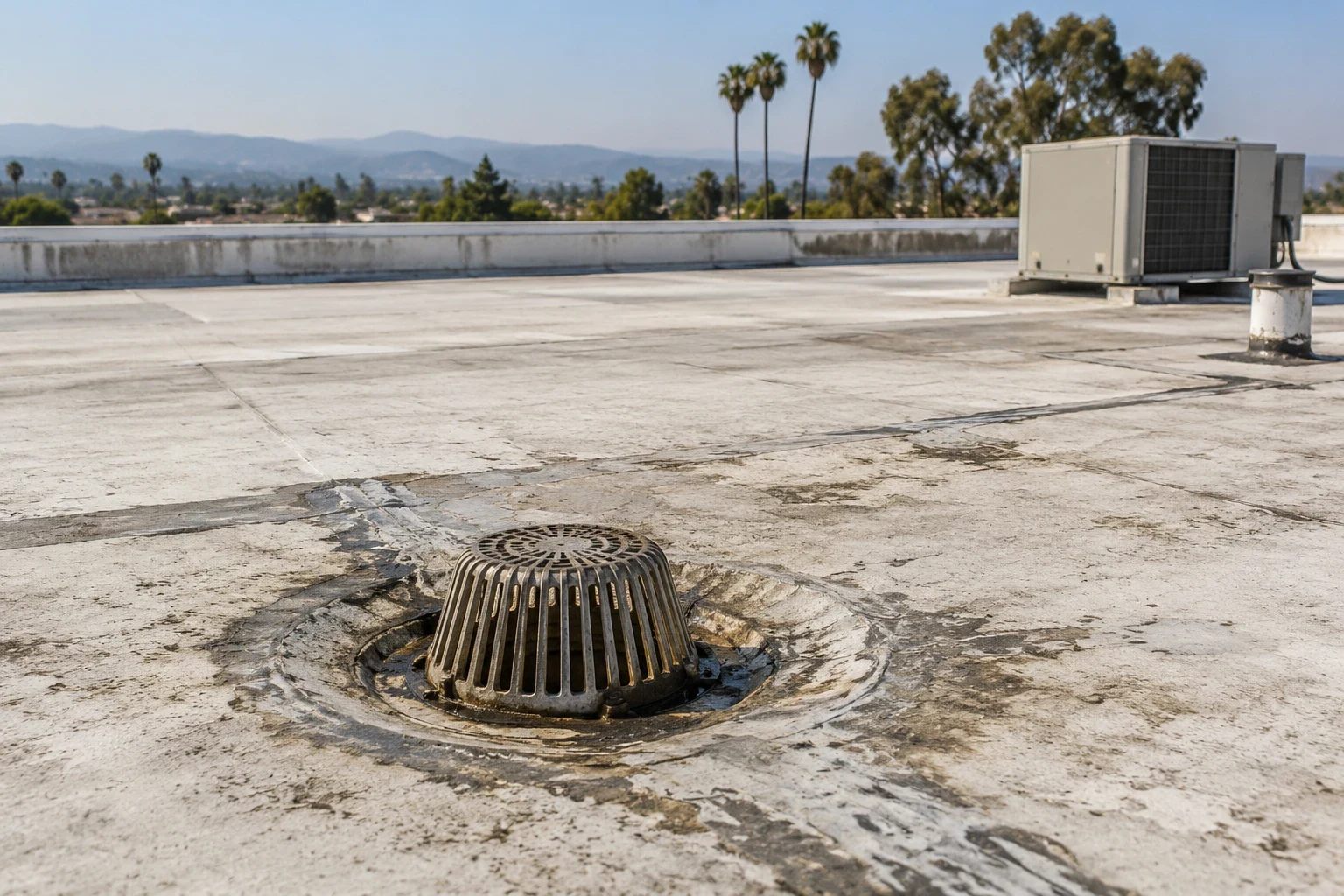
SPF can be shaped to create slope, but existing drainage should be evaluated rather than inferred from the surface appearance. Mark low points, drain bowls, scuppers, and any route water takes around equipment. Note whether a drain is blocked, sits above the finished surface, or lacks a clear approach path. The record should show where ponding was observed and how long after weather it was checked, if known. Do not label a location a leak source simply because water is present there.
For a commercial roof in Tracy, distinguish the climate reference from the tested assembly. The city's design criteria describe a 101.2°F two-percent average dry-bulb high, yet a roof-specific decision still depends on current coating condition, foam integrity, drainage, and product instructions. Include any slope correction as a separate scope item with defined elevations and discharge. A drainage assessment can document outlets and surface flow before a coating restoration is priced.
A city-planned industrial district at Tracy's northeast edge extends over roughly 870 acres. Its planned mix includes flex-tech and rail-dependent activity together with manufacturing, warehousing, and distribution. Those designations do not describe a specific roof. Before an SPF job, confirm material storage, delivery, lift placement, work hours, and access with the representative for the structure being repaired.
Commercial uses are clustered close to Grant Line Road in the adopted I-205 Corridor Specific Plan. That clue helps orient dispatch; the destination's instructions define roof access and staging. Tracy's connection to routes 5, 205, and 580 is useful for regional planning but cannot predict an arrival or application window. Document the work zones and daily tie-ins so an occupied building can maintain a clear separation between roof activity and normal site operations.
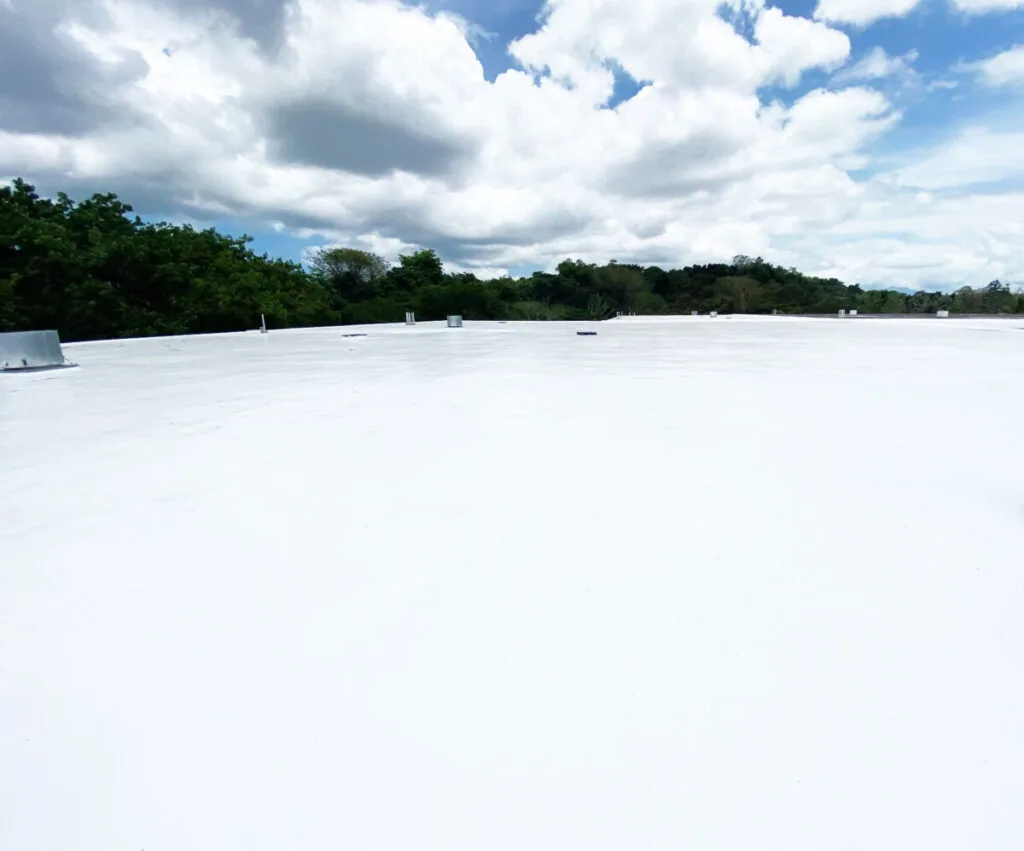
A localized repair may be suitable when damage is isolated and the surrounding foam remains dry, adhered, and compatible with the proposed coating. Restoration addresses a wider surface and can renew protection, but only after the assembly, drainage, and attachment details have been reviewed. Removal and replacement may be needed where wet or unsound material extends beyond a practical repair limit. Compare the options using the same roof map, test locations, access plan, and assumptions about concealed conditions.
Ask each proposal to identify surface preparation, foam replacement, coating product, target application conditions, thickness requirements, flashing work, and excluded zones. Separate confirmed quantities from allowances for hidden damage. The 2025 California Building Codes take effect for new project submittals Tracy receives on or after January 1, 2026. If the SPF scope requires plan review, include assembly and drainage details in that permit package. A replacement proposal can be compared with a repair or restoration scope when the existing foam no longer provides a reliable base. When coating remains the preferred route, confirm that the written scope names the foam area to rebuild, the transition edge, and any taper added to direct water. List who checks thickness and coverage, where the day's work stops, and what measurement shows the surface is ready for another layer. Product volume alone does not document completed coverage.
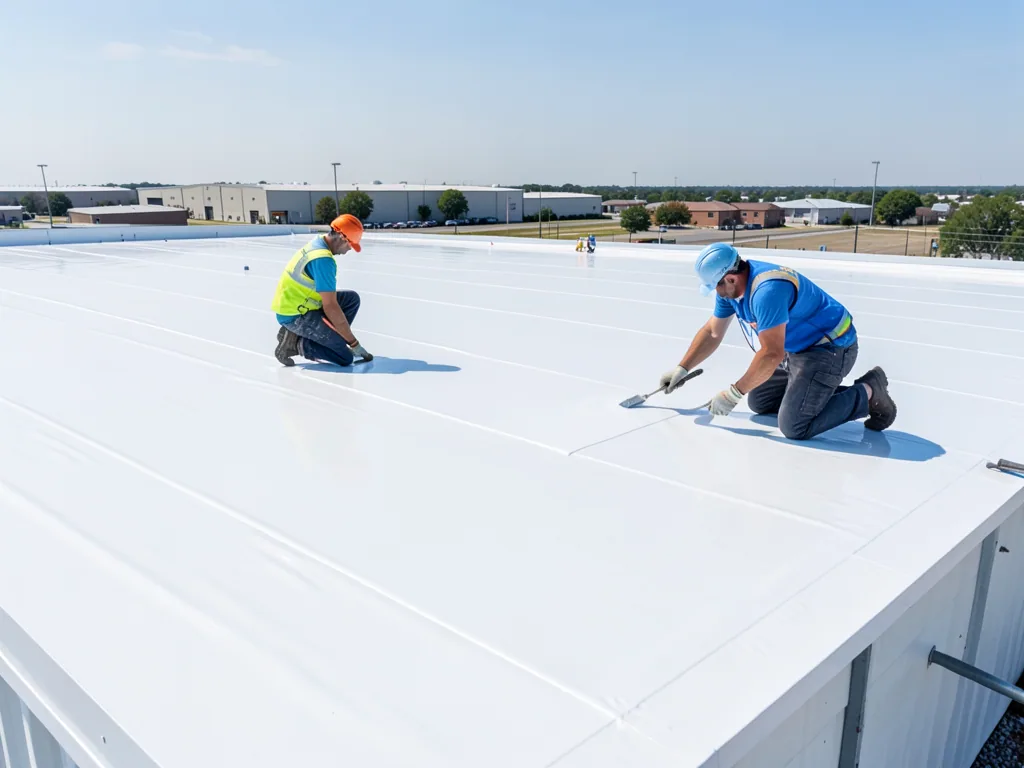
Photograph preparation, exposed foam, repairs, coating application, and finished transitions. Connect each image to the roof plan and note the product batch or system identification when available. Record weather and substrate conditions relevant to the manufacturer's application limits, along with any areas that could not be completed. If the crew finds moisture or an unanticipated layer, show the boundary and approved disposition before that area is covered.
Give the facilities contact the marked plan, inspection notes, repair limits, product information, and follow-up recommendations. Identify where another inspection should check for renewed cracking, loss of adhesion, or drainage changes. Tracy's heat criteria remain a city reference; performance tracking should rely on observations from the property itself. A scheduled maintenance inspection can revisit the same locations and separate routine wear from a change that needs a new repair decision.
No. Identify the wet boundary, remove unsound material as approved, and restore the assembly before coating over it.
Map visible defects and use an approved test or opening where the surface cannot establish adhesion. Record the method and limits.
No. The city lists a 101.2°F 2-percent design dry-bulb high. A roof assessment uses site observations and product requirements.
Not by itself. Review roof slope, low areas, drains, and discharge, then define any correction separately from coating work.
Keep roof-zone photos, surface preparation notes, product identification, completed repair limits, exclusions, and follow-up locations.