Roofing Manufacturers in Tracy, CA
Commercial Roofing Tracy
Review commercial roofing manufacturer systems in Tracy by installed assembly, repair compatibility, documentation, and the conditions found on the roof.
Review commercial roofing manufacturer systems in Tracy by installed assembly, repair compatibility, documentation, and the conditions found on the roof.
A product label on an old warranty does not show whether the membrane on the roof still matches the approved assembly. We compare the label and submittal with visible sheets, seams, flashings, fasteners, and prior repairs, then record where the evidence changes. Tracy's northeast industrial planning areas include warehouse, manufacturing, distribution, rail-related, and flex-tech uses. Those are broad land-use categories; the property file and inspection determine the roof system present at a building.
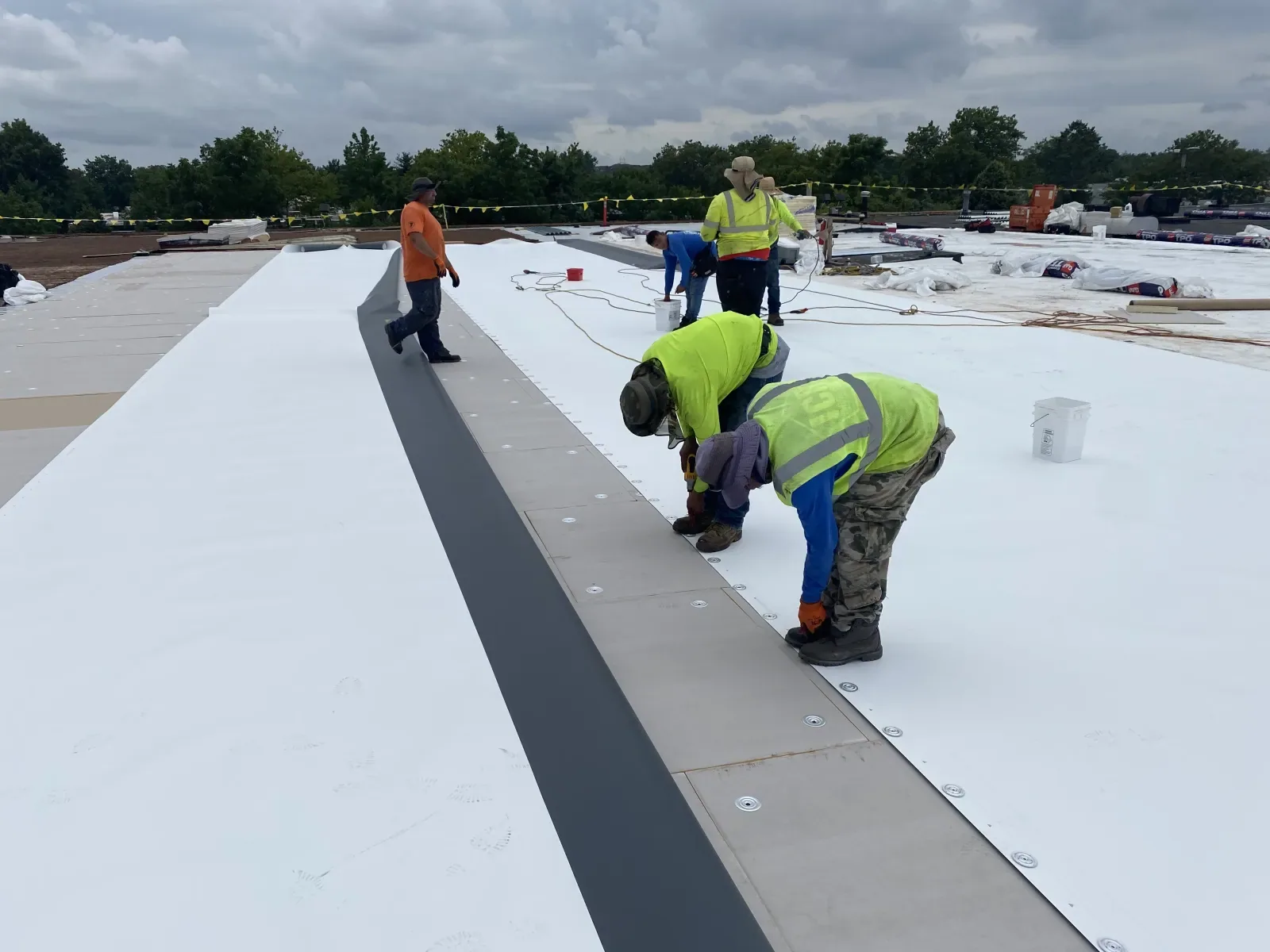
Manufacturer requirements matter at welds, adhesives, primers, terminations, and transitions between materials. We identify the existing layer and the surface that will receive a repair before choosing a compatible method. A GAF system review, Carlisle SynTec assessment, or Johns Manville assembly check should begin with the actual product records, not a guess based on color. Keep any unknown product name marked for confirmation.
The remaining manufacturer references cover Holcim Elevate, Sika Sarnafil, Versico, Soprema, and Duro-Last. We install, repair, and maintain commercial roof systems, then tie the work to the assembly and details documented at the property. A name alone does not establish a particular warranty term or an authorization status.
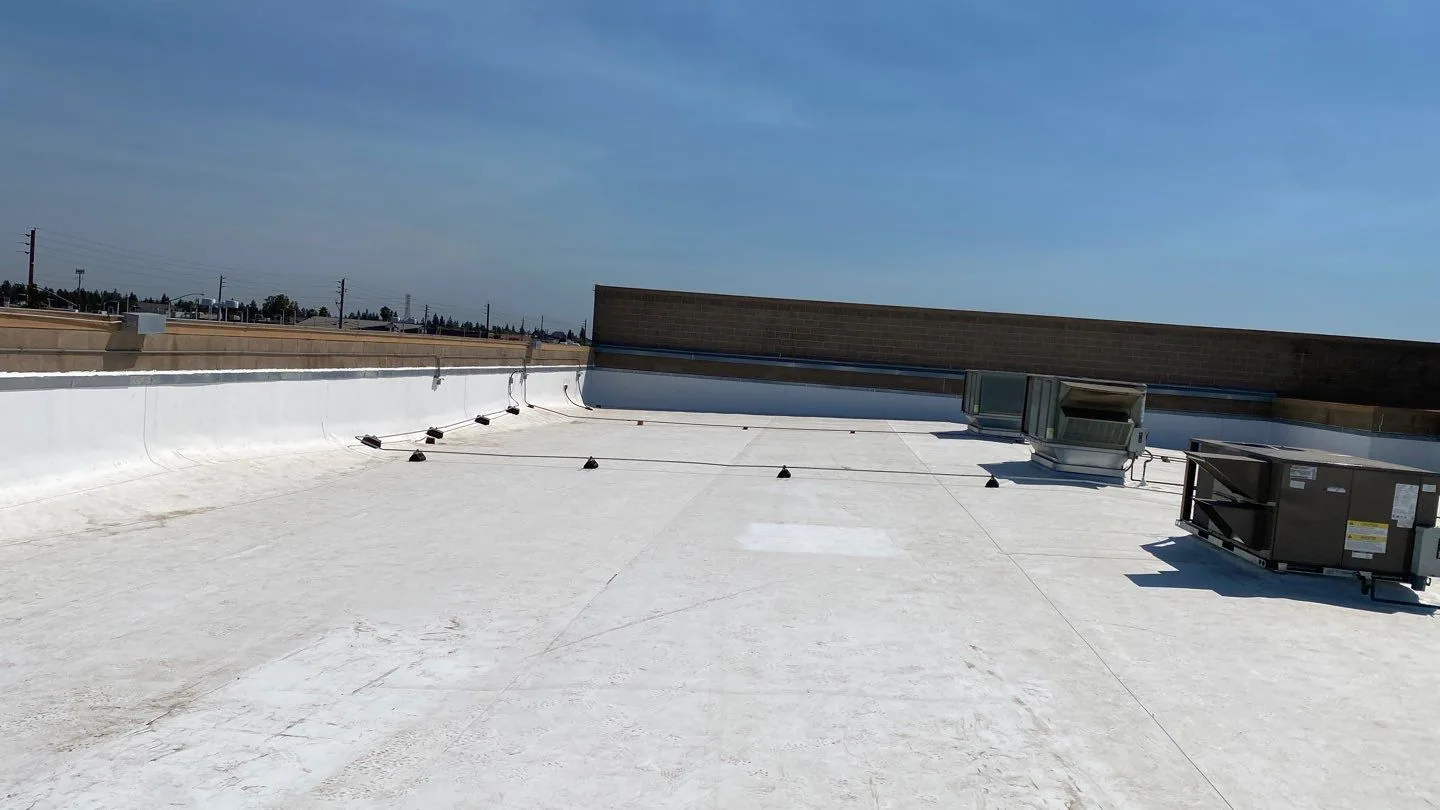
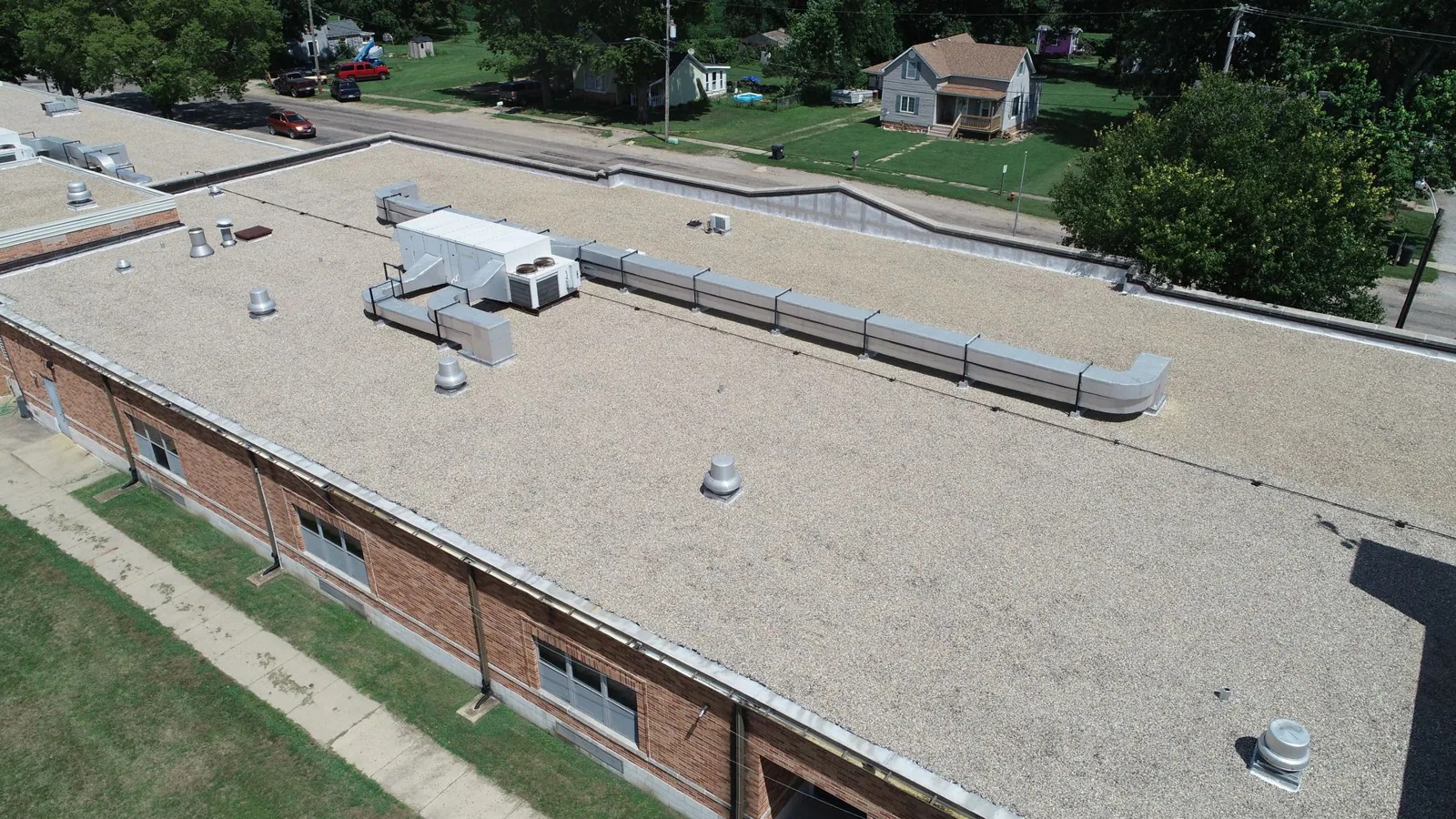
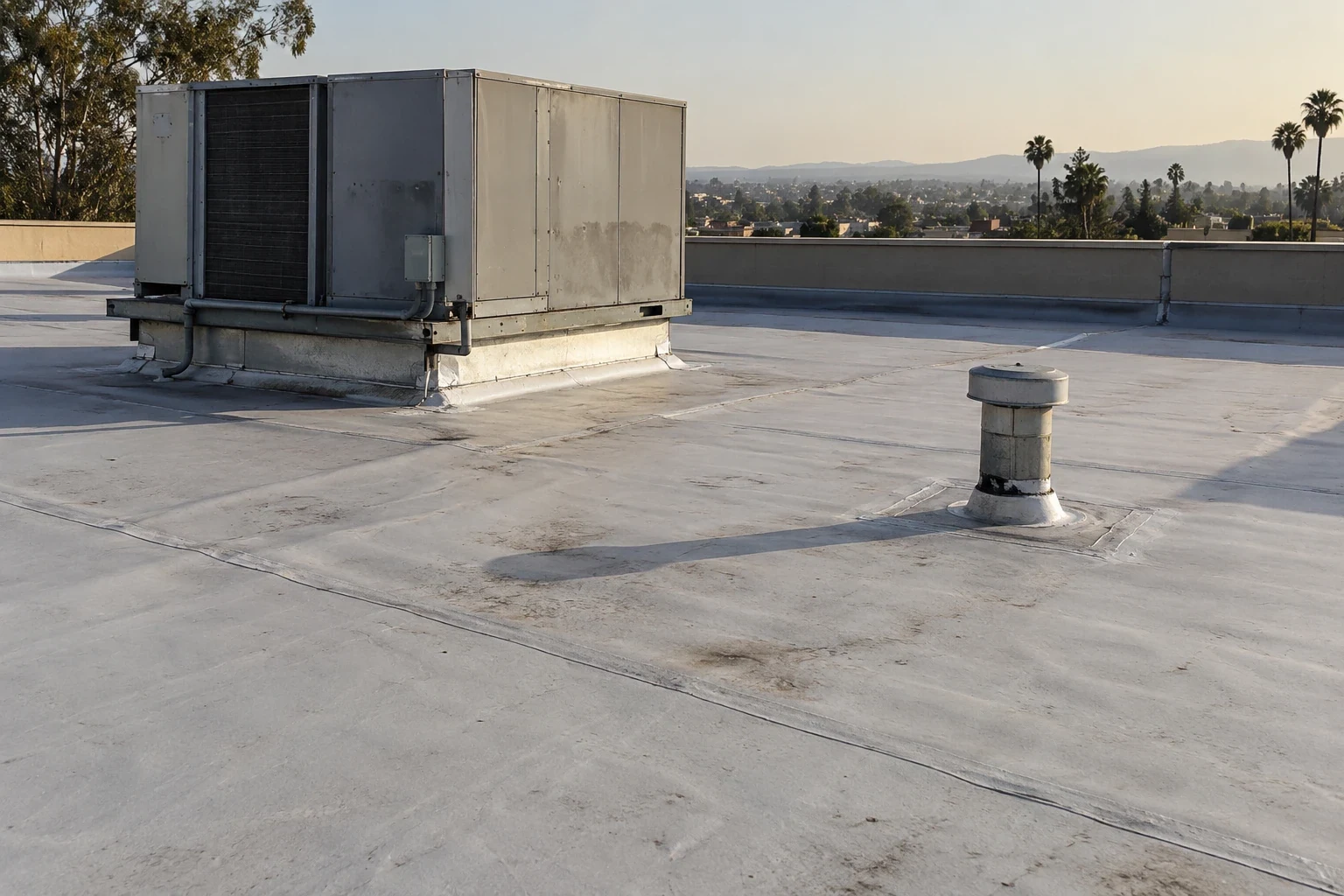
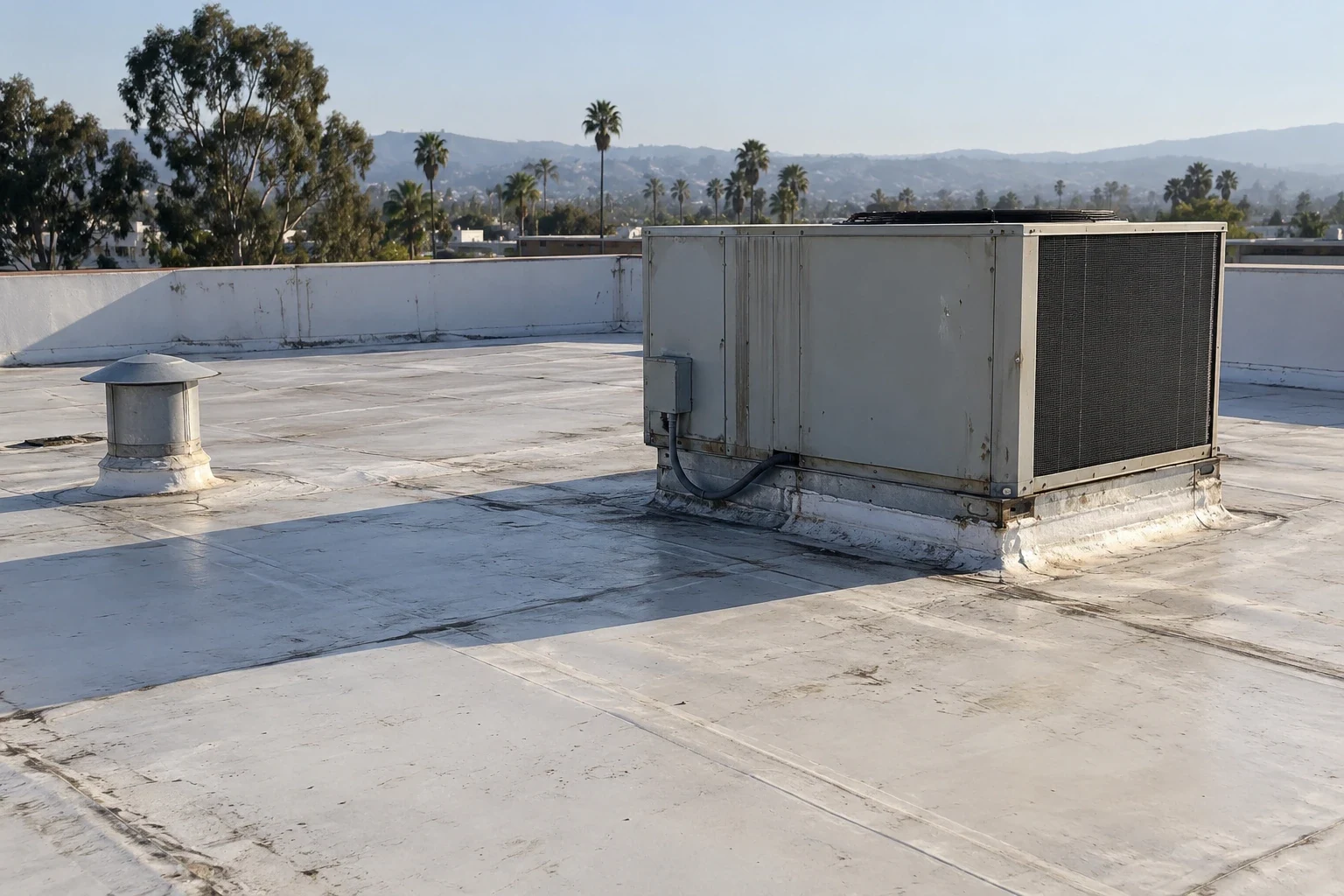
Open seams, patches, chalking, loose flashing, and drainage changes can obscure the original system. Record each condition with a roof-zone location and photograph. Compare the visible detail with the available submittal, warranty, and maintenance history. When layers remain concealed, identify the opening or other test needed to confirm them before the proposal assumes compatibility. A roof inspection can make that record usable for repair review and future maintenance.
Tracy's published design criteria include Climate Zone 12, a 101.2-degree two-percent dry-bulb value, and wind Exposure C. Keep those as city design references. The chosen product's limits and the property's actual assembly govern field decisions. A system recommendation should distinguish application conditions, attachment questions, and visible wear rather than treating one city criterion as proof about a roof.
A localized repair may be appropriate when the surrounding membrane or panel can accept a sound tie-in. If there are repeated failures, unconfirmed layers, or unstable edge details, compare restoration or replacement with the same marked plan and test results. Put the repair boundary, preparation, materials, tie-in, and closeout inspection in writing. Explain which concealed condition could alter the scope and what approval is needed before work expands.
The city's Northeast Industrial PUD and I-205 Corridor are broad planning areas with employment and commercial designations, not statements about any specific roof. If an owner is evaluating a site in one of those areas, confirm its address, property contact, assembly, and access first. A condition report can retain the photos and product records for the next service decision.
Keep product data, repair approvals, photographs, test results, and updated roof plans with the completed work. Record which details were accessible and which remain unresolved. A later crew can then compare a new condition with the recorded assembly instead of inferring compatibility from an old label. The decision file should state what is installed, what was repaired, and which documents the owner supplied.
No. Match the product label and records to the membrane, seams, details, and any later repairs observed on the roof.
Confirm compatibility, preparation, primer, and tie-in requirements for the actual assembly before specifying material.
Keep product data, installation records, dated photographs, test results, approvals, and the final repair boundary together.
No. Use the product instructions and conditions at the property; the city values are design references rather than a site reading.
Share the product records, warranty documents, roof plan, past repair photos, access rules, and the open decision. We can compare those materials with the field assembly and identify any compatibility test needed.