Sika Sarnafil Roofing in Tracy, CA
Roofing Manufacturers
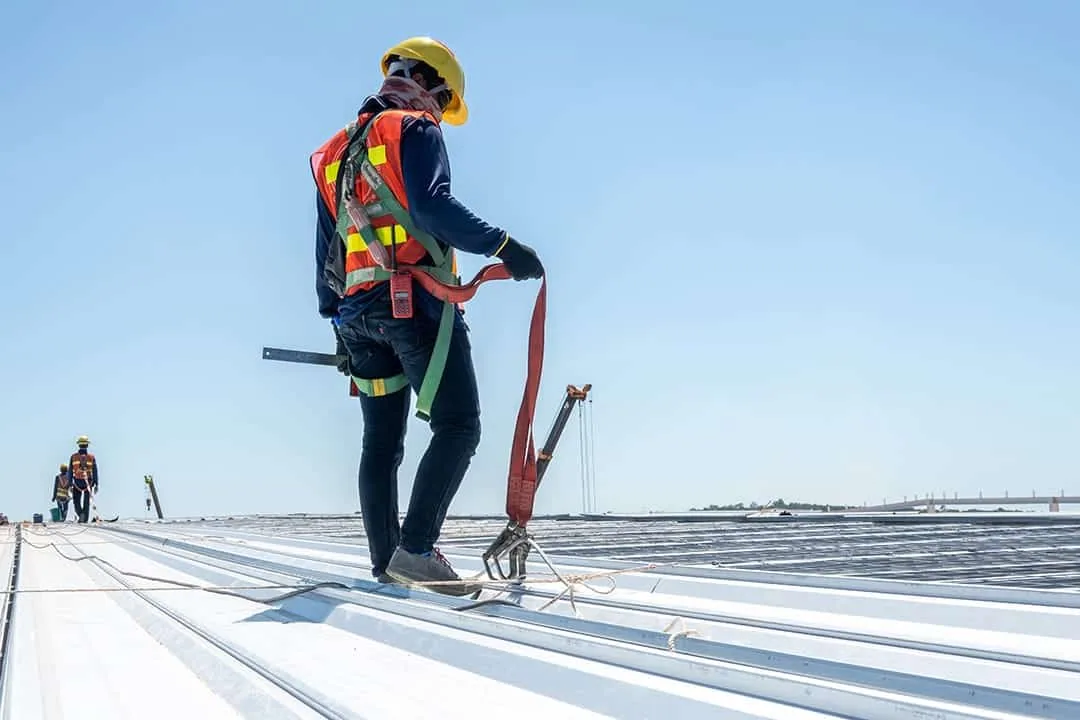
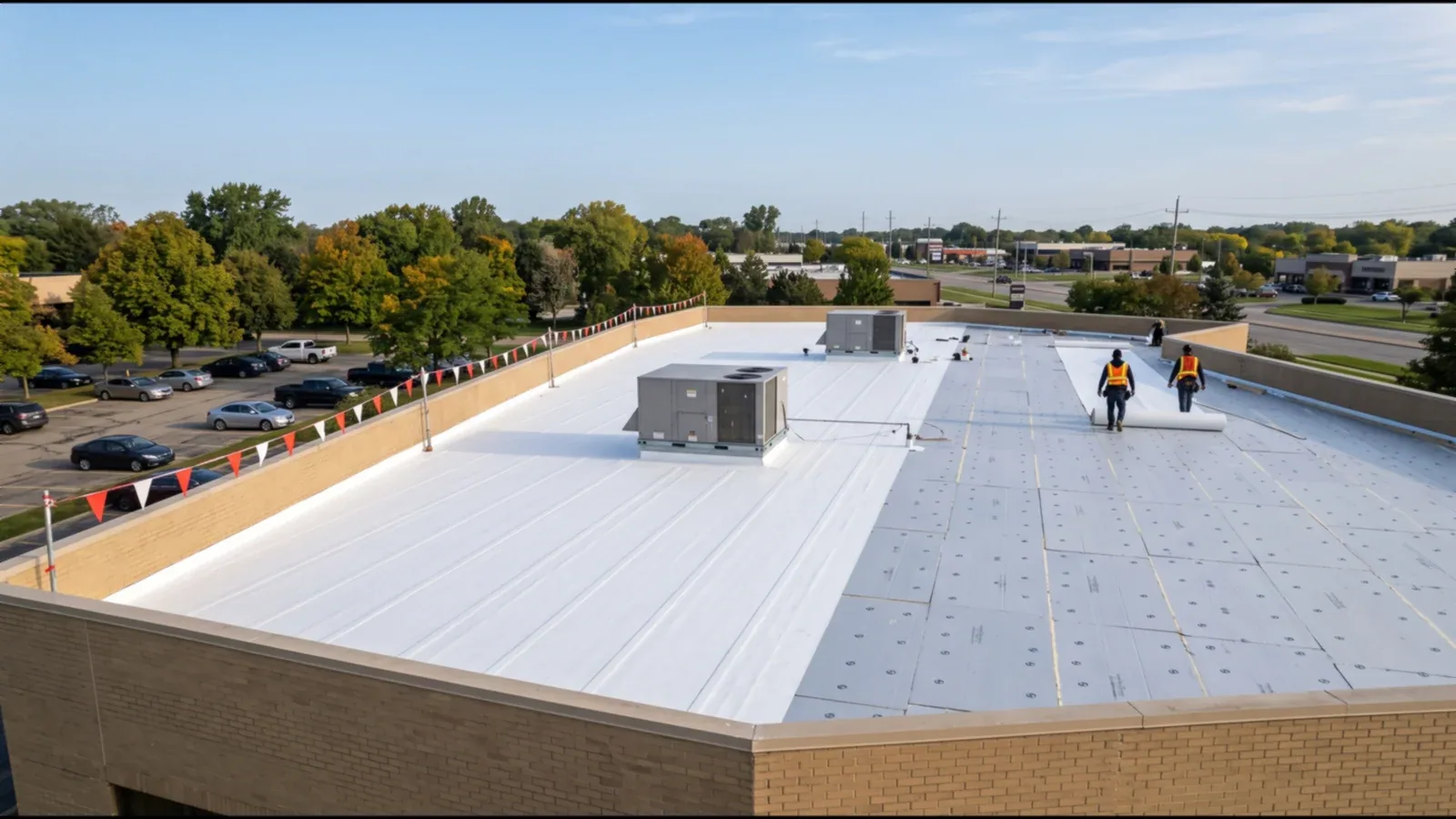
Sika Sarnafil PVC roofing service in Tracy, with weld, flashing, drainage, and substrate details documented for repair or replacement decisions.

Sika Sarnafil PVC roofing service in Tracy, with weld, flashing, drainage, and substrate details documented for repair or replacement decisions.

A PVC field seam beside a drain bowl deserves a closer look before the repair estimate is written. We inspect the weld, sheet, drain flashing, and nearby transitions, then map the affected roof zone and the limit of access. For a Sika Sarnafil roof, the existing membrane and substrate should be identified before choosing a repair detail. That helps separate a seam correction from a broader question about wet insulation, attachment, or the layers below.
The I-205 Corridor Specific Plan sets commercial and light-industrial uses across a broad part of Tracy. The Tracy Hills Specific Plan is a separate mixed-use area that includes planned commercial and industrial development. Those places help locate service work in the market, but do not describe an individual roof. A commercial roof inspection ties the material record to visible field conditions and the owner's next decision.
A heat-welded PVC seam can fail at a narrow edge, a contaminated patch, or a transition where the sheet moves differently. Look for edge lift, incomplete weld, a wrinkle that holds water, or a puncture through the membrane. Photograph the detail with a wider frame showing the roof zone, nearby penetrations, and drainage direction. Record whether the defect is continuous or stops at a specific seam intersection. The repair area should follow that evidence rather than an assumed straight line.
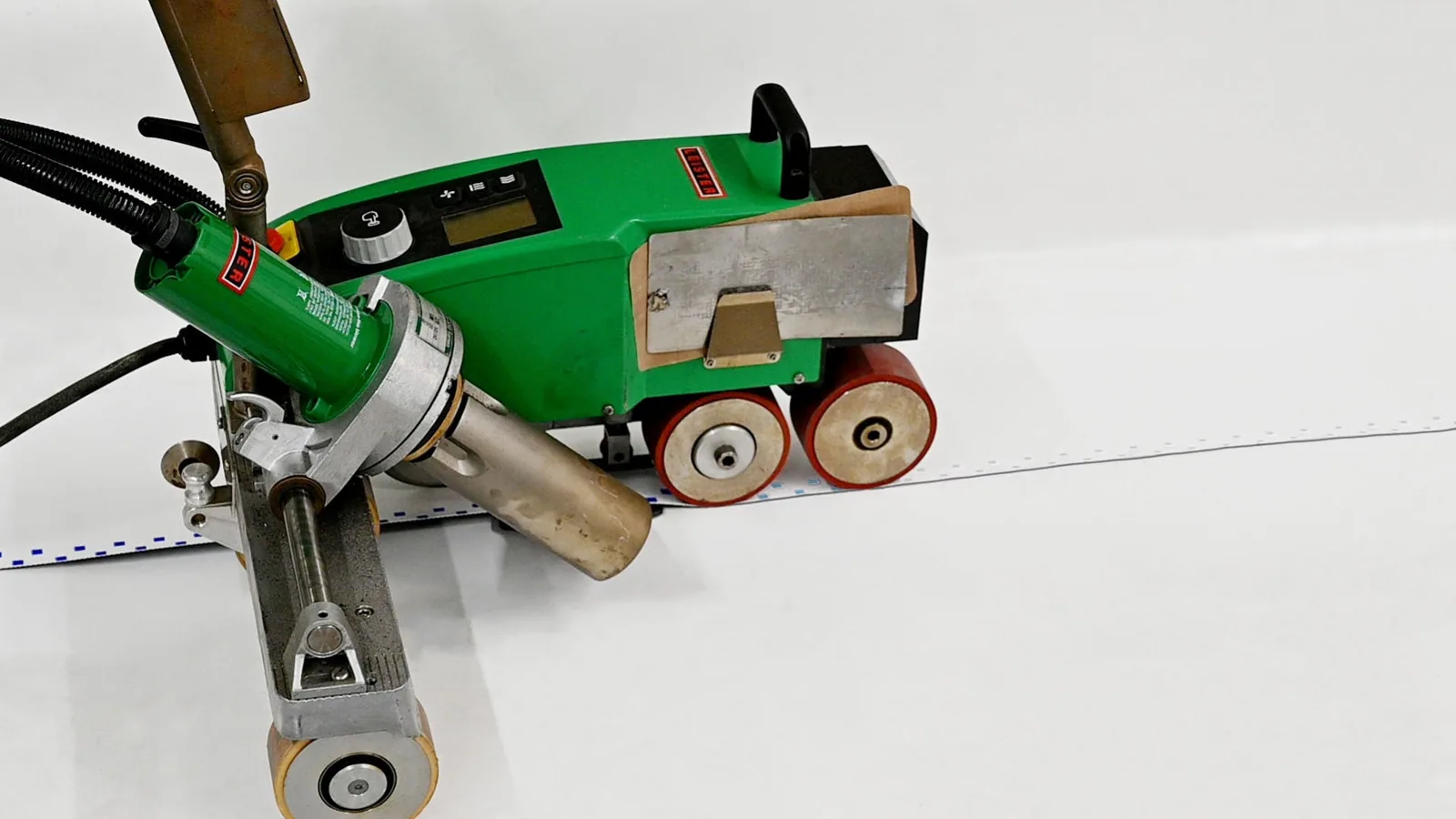
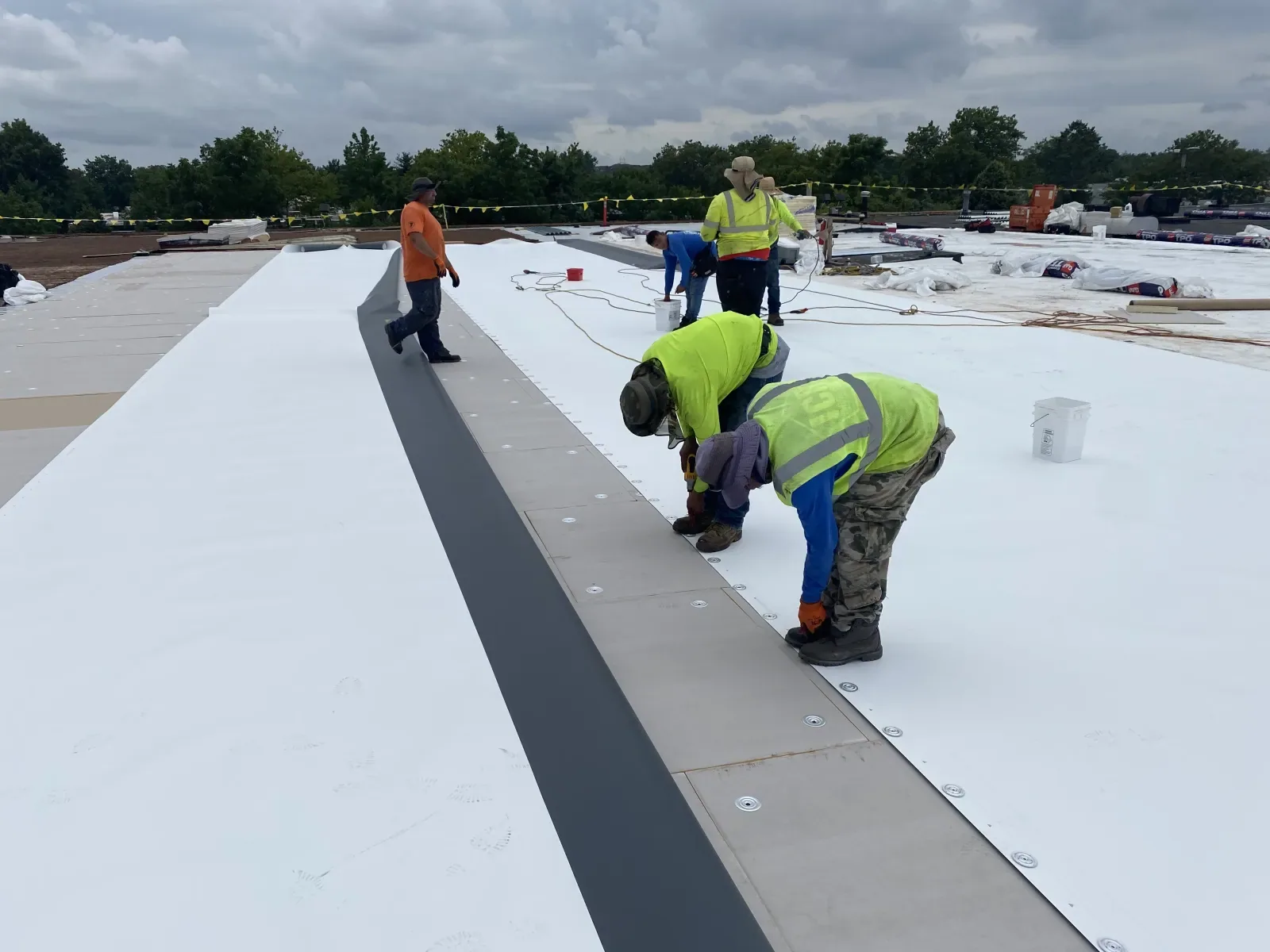
Before hot-air work, identify the existing membrane, clean the surface as required, and check the surrounding material for movement or damage. A patch that bridges an unstable substrate may reopen. Keep preparation and the final weld in the scope description. A PVC seam assessment can guide system-specific inspection, while a KEE membrane review can compare a different flexible sheet option if the owner is considering replacement rather than a direct repair.
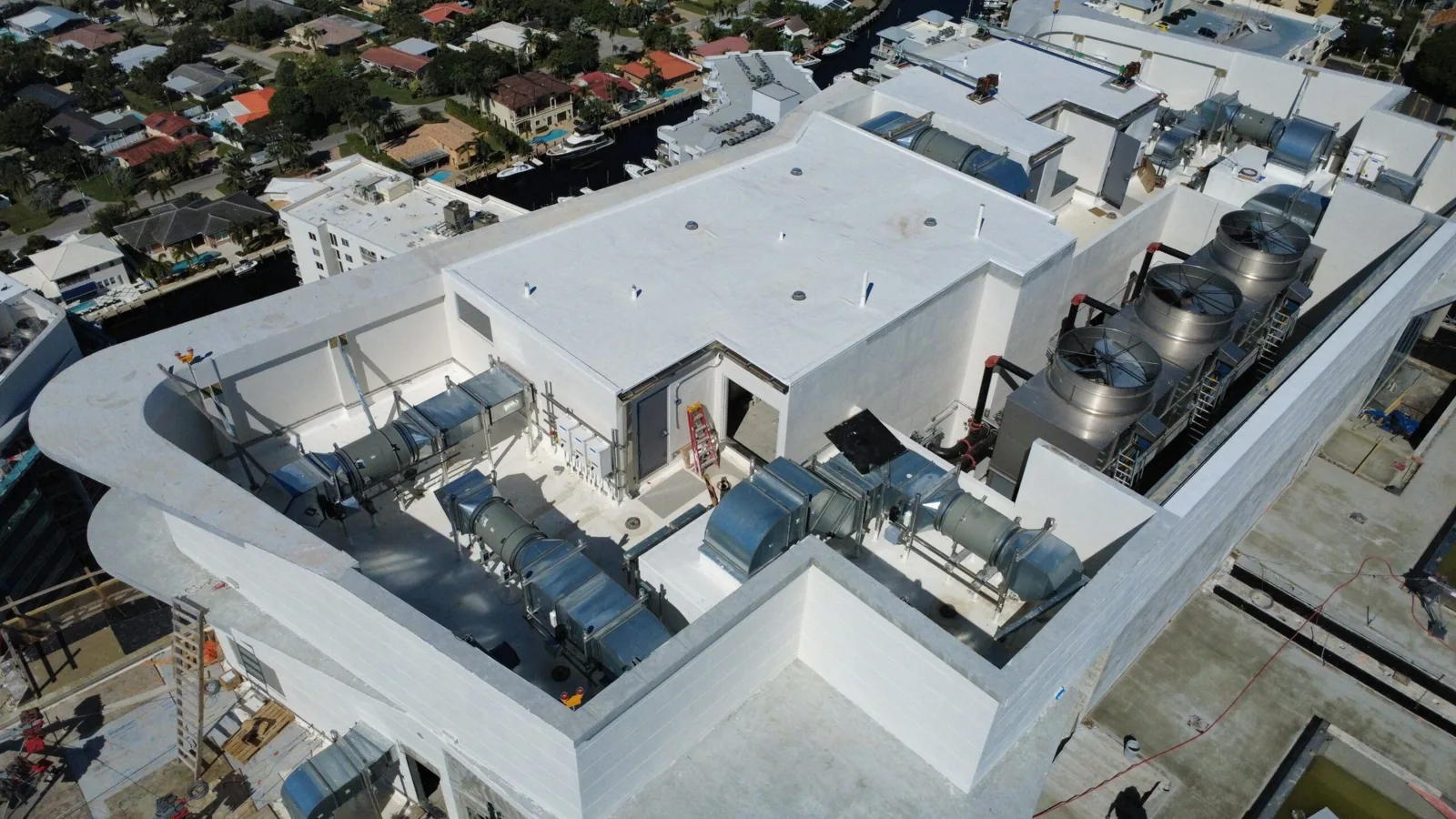
At a curb, parapet, pipe, or drain, inspect the vertical flashing, termination, and field sheet together. Look for a loose cover strip, open corner, cracked sealant, or a patch that ends short of the transition. Confirm how the detail meets the substrate and whether another trade controls the equipment. A marked photograph should identify the roof zone and direction, while the written scope states which transition is included and which remains outside the work.
If the roof includes a mix of PVC and asphaltic or other materials, verify the specified separation and compatible detail before joining them. Do not assume that a visually similar patch belongs on every section. When the assembly record is incomplete, compare documents with exposed edges or an authorized test opening. A cover-board assessment can identify a substrate concern that changes the flashing repair depth or the way the new membrane terminates.
Trace runoff from the reported area toward the drain, scupper, or discharge point that serves the roof plane. Check strainers, sump condition, membrane turn-in, and the surrounding flashing. Standing water or debris should be recorded separately from a confirmed seam defect; either condition may need its own correction. If the interior report sits below a different roof area, extend the inspection only as far as access and evidence support, then mark any unresolved path.
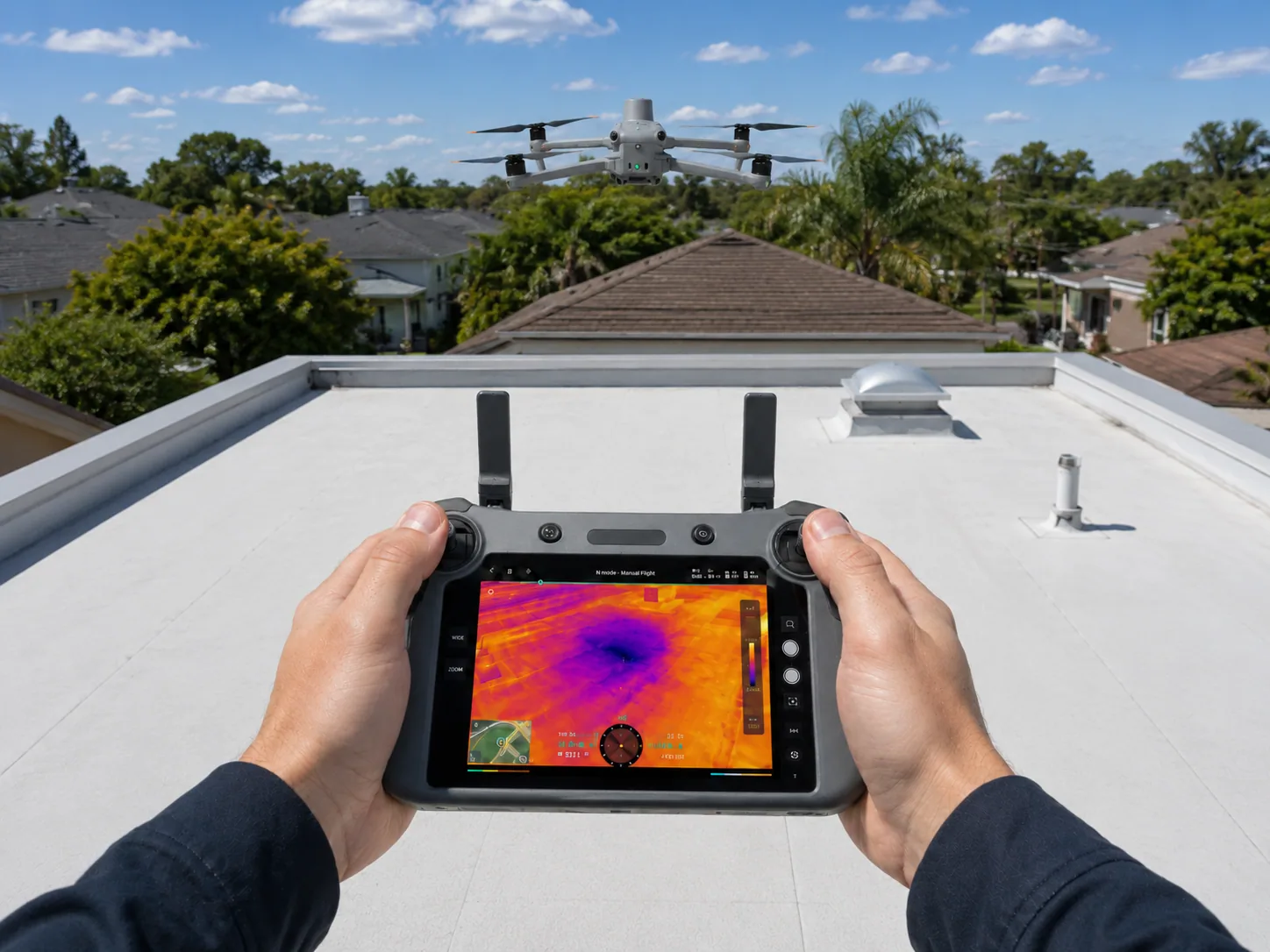
A survey may help choose follow-up points if moisture could extend below the visible surface. An infrared moisture survey can support that choice when construction and conditions suit the method. The report should name the evaluated area and leave other sections outside its conclusion. For active water, we can respond at any hour, weekends and holidays included, then separate the temporary stabilization from permanent PVC work. That gives facilities staff a clear closeout target instead of mixing emergency control with a replacement quantity.
For Tracy, the published dry-bulb design high is 101.2°F in the two-percent case, and the city is assigned to Zone 12. That number belongs to design review, not a roof-surface measurement or an application-day forecast. Before PVC welding, adhesive, or coating work, we check the actual surface and substrate conditions against the material instructions. If the work period shifts, the updated plan should show which seam or zone was closed and which remains exposed for a later visit.
The city lists wind exposure C and refers designers to applicable maps and risk category for wind speed. That design path does not establish how a particular Sika Sarnafil roof was attached. Review the project documents and perimeter details before recommending a change to fastening or edge restraint. The Tracy Hills Specific Plan includes residential, commercial, office, industrial, and recreation uses, with development planned across a large area. Its land-use mix can orient a regional work program; assembly and attachment remain property-specific.
A localized PVC correction may fit when the weld failure is isolated and the surrounding sheet, insulation, and substrate remain serviceable. If multiple seams are opening or moisture is found beyond the visible condition, price additional testing or a larger replacement boundary. State removal depth, insulation, deck repair, flashing, drains, edge metal, temporary protection, disposal, and exclusions. Keep measurements and allowances distinct so the owner can see what is confirmed and what requires authorization after removal.
For a restoration proposal, include surface preparation, compatibility checks, adhesion testing where required, and the details that remain unchanged. If replacement is under review, show how the new assembly meets roof edges, walls, curbs, and drains. A replacement scope should reflect the same plan used for a repair quote. An alternative GAF system comparison or Carlisle membrane review can use the roof's measured conditions rather than a brand preference alone.
For each Sika Sarnafil area, retain the system description, roof-zone plan, service date, detail repaired, and any test result with the property file. Add images of seams, flashings, drains, and transitions that are likely to matter at the next inspection. List areas not reached, moisture questions still open, and temporary work that requires return. The record should distinguish an observed defect from an assumption about hidden layers.
Tracy's I-205 Corridor and the Tracy Hills planning area are distinct service geographies. If the same owner manages roofs in both, keep site records and access instructions separate. A Tracy Hills service visit follows the property contact's actual entry and delivery rules. A maintenance review can compare current conditions with the previous seam and drainage photographs, then assign each open item to an owner or next inspection date.
The closeout should show the repair location, before-and-after photographs, preparation, membrane description, weld or flashing detail, and approved changes. Identify the limit of completed work and any adjacent area that was not part of the contract. If removal exposed wet insulation or an unexpected layer, attach the finding and revised quantity to the marked plan before recording the extra work as complete.
Keep that file beside the Sika Sarnafil assembly record and repair tickets. When another leak appears, compare its location with the previously repaired weld and the drainage path. We can review the roof plan, photographs, access rules, and owner decision with the facilities team, then identify whether the next action is a local repair, more testing, or replacement planning.
We inspect the weld, adjacent sheet, substrate, and nearby transitions. The report marks the seam location and identifies whether an approved opening or wider review is needed before repair.
A drain repair should address the field sheet, bowl flashing, and tie-in as one detail. We check the outlet and the roof plane before setting the patch boundary.
The city's climate and wind criteria inform design review. Actual surface conditions, attachment records, and product instructions govern field work at the building.
Recurring seam failures, widespread moisture, or a substrate that cannot support the proposed patch can justify a broader option. The estimate should use mapped quantities and state its exclusions.