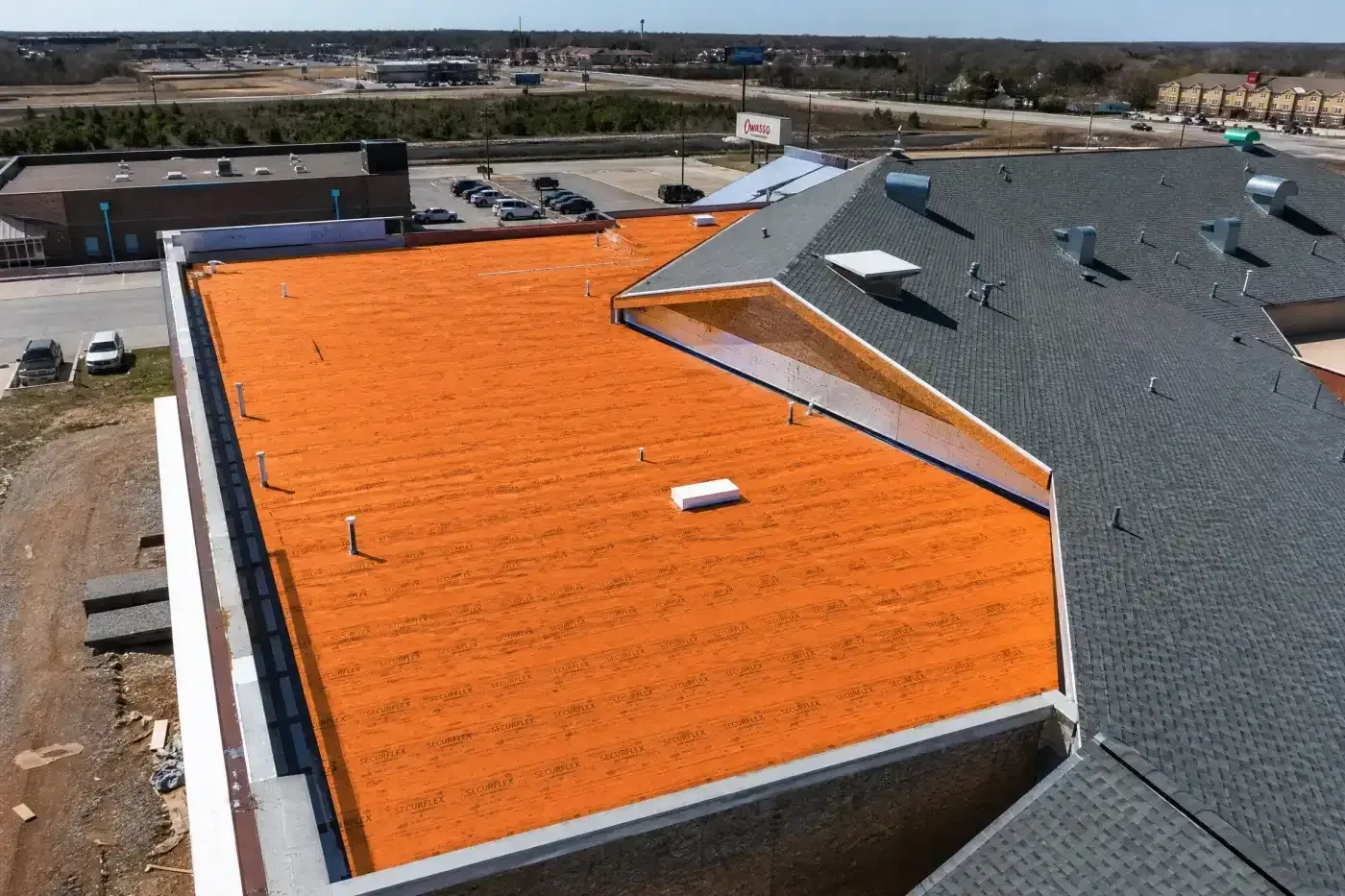
KEE Roofing in Tracy, CA
Roof Systems
Inspect KEE membrane seams, flashings, attachment, and repair boundaries in Tracy. Get a roof-zone record that supports a practical next decision.
Inspect KEE membrane seams, flashings, attachment, and repair boundaries in Tracy. Get a roof-zone record that supports a practical next decision.
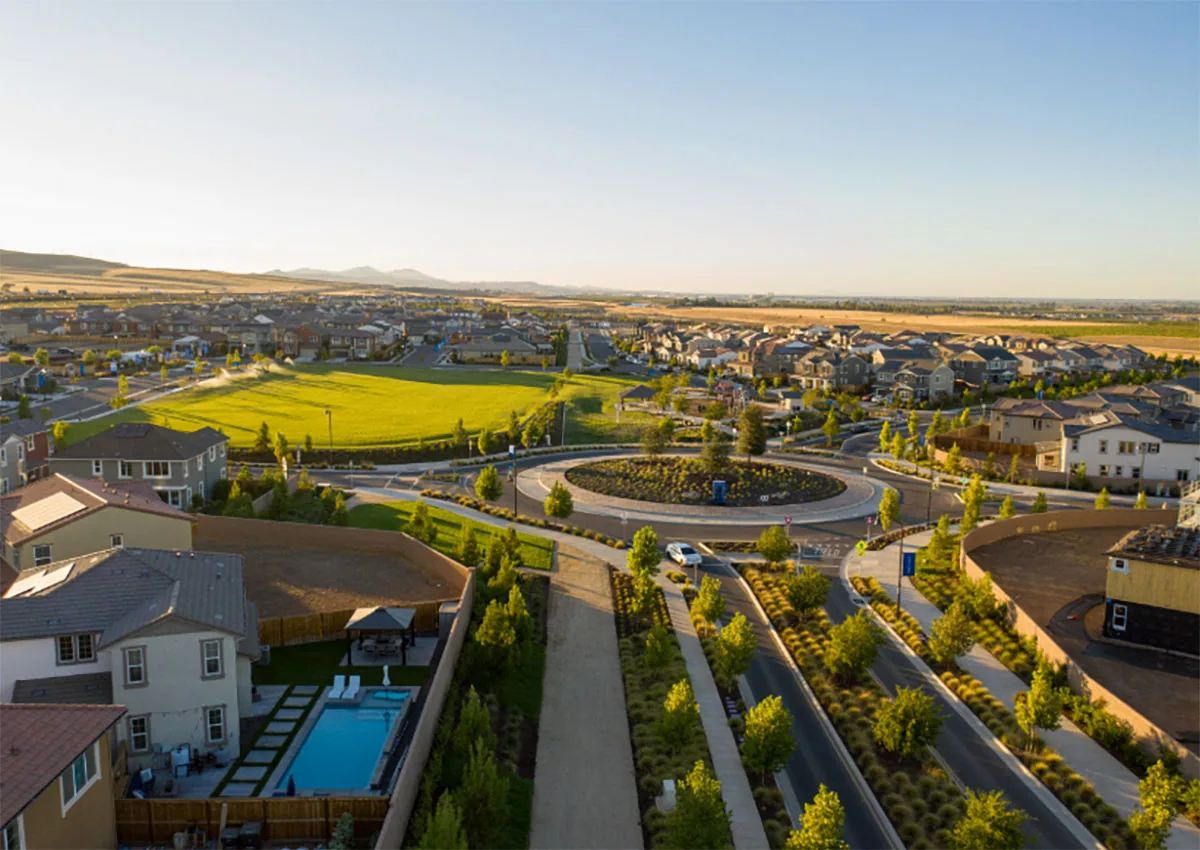
A lifted KEE weld changes the inspection route before it changes the scope. We mark the roof zone, check the lap edge, and compare the visible surface with repair records and exposed details. KEE membranes use a PVC base alloyed with ketone ethylene ester, so repair preparation and welding have to suit that installed sheet. The first record should identify which details remain bonded, where movement begins, and whether the substrate supports a local correction.
Tracy's climate table pairs Zone 12 with 101.2°F as the two-percent average dry-bulb figure used for design. It does not report membrane temperature during this repair. We compare manufacturer heat guidance with the observed sheet and the conditions at welding time, then choose the work window from those limits. A commercial roof inspection can map the assembly before a repair boundary is approved.
At a suspect lap, look for an open channel, a lifted edge, contamination, or a change in bond width. Mark both ends of the affected segment against a stable roof feature, then test the weld where conditions and authorization allow. A weak point can continue beneath a surface that looks intact, so the work order should state how far the crew will probe and what finding permits a wider repair. Photographs should show the probe position and the surrounding seam, not only a close view of the defect.
Welds at intersections deserve their own check. T-joints, corners, patches, and changes in sheet direction can place several layers together and make the perimeter harder to inspect. Record whether the overlap has a clean, continuous bond and whether the repair will cross into compatible material. A roof repair scope can separate an isolated seam correction from a larger field condition, with the test result and work limit recorded by zone.
Do not assign a KEE repair method from color alone. Check submittals, prior work orders, labels at a termination, and any exposed edge that the owner authorizes. If the record and field appearance disagree, list the conflict and hold a product-specific detail until the material is identified. The same roof may include an older sheet, a later patch, and a separate coating, each with a different preparation requirement. Tie the identification to the roof zone so a later crew does not carry one sample result across the entire building.
Before hot-air work, remove contaminants from the repair area and prepare the surface in line with the system instructions. A trial weld can show whether the selected settings and technique create a consistent bond under current conditions. Record the tool setup, test location, and result when that information will guide the production weld. Keep the test separate from the final repair, and confirm that its restoration leaves no open edge or unbonded pocket.
When an older patch obscures the field sheet, photograph its edge and inspect the transition within the approved limit. Tie a new repair into sound, compatible material. If layers or a coating history hide the original surface, identify the remaining question and the opening needed to answer it.
A sound weld will not correct loose attachment, wet insulation, a damaged cover board, or deck movement. Compare the perimeter and exposed details with the assembly record. Mark soft areas, displaced fasteners, and ridges as observations. If the concern lies below the sheet, an owner-approved opening or moisture survey may help choose the next test.
Mark an approved opening on the plan before cutting. Log the exposed layers, any damp or deteriorated material, and the closure detail. If conditions extend past the mark, stop for direction. A condition report can hold the photographs, findings, and untested limits together.
Tracy's northeast industrial district is a named 870-acre PUD. Its planning mix extends beyond warehouses: the designation includes manufacturing, distribution, rail-dependent industry, and flex-tech. For a KEE visit, that geography may shape questions about loading time and equipment movement. They do not establish what membrane a particular building has. The property team identifies the actual structure, approved access, and receiving rules; we then mark the relevant KEE sections on that property's roof plan.
The published heat criterion is design context; current surface and wind conditions govern the day's safe welding window. Check them against the system instructions and stop when the work area cannot be closed safely. Near the Northeast Industrial PUD, warehouse and manufacturing activity may affect delivery and access, while the property team sets the actual route.
The city plan locates established commercial uses in the vicinity of Grant Line Road and I-205. That point can orient dispatch, while the building contact supplies the delivery route and roof-access protocol. Tracy's permit rules use California's 2025 building standards for new submittals received from January 1, 2026 onward. If plans are required, show proposed layer, drainage, and perimeter changes for review. A recover evaluation compares retained layers with removal; a replacement scope sets the new assembly and closeout record.
A usable KEE repair scope names the seam or flashing detail, preparation, compatible patch material, tie-in length, and the test that will show the weld is complete. State what happens if the substrate is damp, the sheet cannot be identified, or the trial weld does not bond as expected. Add the approvals needed before removing insulation or opening the deck. That boundary lets the facilities lead review a measurable correction instead of a general instruction to repair the area around a leak.
For repeated openings, compare the map with earlier tickets and nearby drains, seams, and penetrations. A pattern across roof zones may call for more testing before another patch is priced. A PVC membrane review can help assess a different system; a TPO assembly offers another membrane comparison when owner requirements and the substrate support it.
Photograph the prepared surface, weld perimeter, tie-in, and any test. Add the date, zone, material information on file, and approving contact. Mark any inaccessible area so a later roof walk can distinguish a returned seam opening from a nearby defect.
Keep the installed KEE information, repair map, approved changes, photographs, and maintenance instructions together. The log should name each seam checked, test location, result, and inaccessible zone. For an isolated spot under observation, set a review date or condition that would return it to the work list.
Use the same roof-zone labels on a later leak report, with its room, date, and indoor conditions. Compare the report with seams, curbs, drains, and earlier repairs. Add any future cut by equipment work or another trade to the assembly record. During routine roof walks, keep new observations separate from authorized repairs.
Before scheduling, send the roof plan, repair tickets, membrane records, leak photographs, and access rules. Name the person who can approve a probe, test weld, or opening. We will return the zone map, repair boundary, findings, limits, and next action for the facilities lead.
A continuous bond on prepared, compatible sheet is the key finding. We mark the test point, inspect the finished edge, and photograph the repair boundary with the roof-zone reference.
Retained layers need adequate attachment, dry insulation, sound deck support, and room at drains and curbs. We document those conditions before comparing a recover with removal.
First identify the patch material and how it meets the field sheet. If the product record is missing, state that limit and test only within the owner's approved boundary before selecting a new tie-in.
No. The 101.2°F design high is used for planning, while the crew checks current roof conditions and the system instructions for each work period.
Send the roof plan, seam and flashing locations, system submittals, recent repair photos, and access limits. We can identify the inspection route and any test that needs approval.