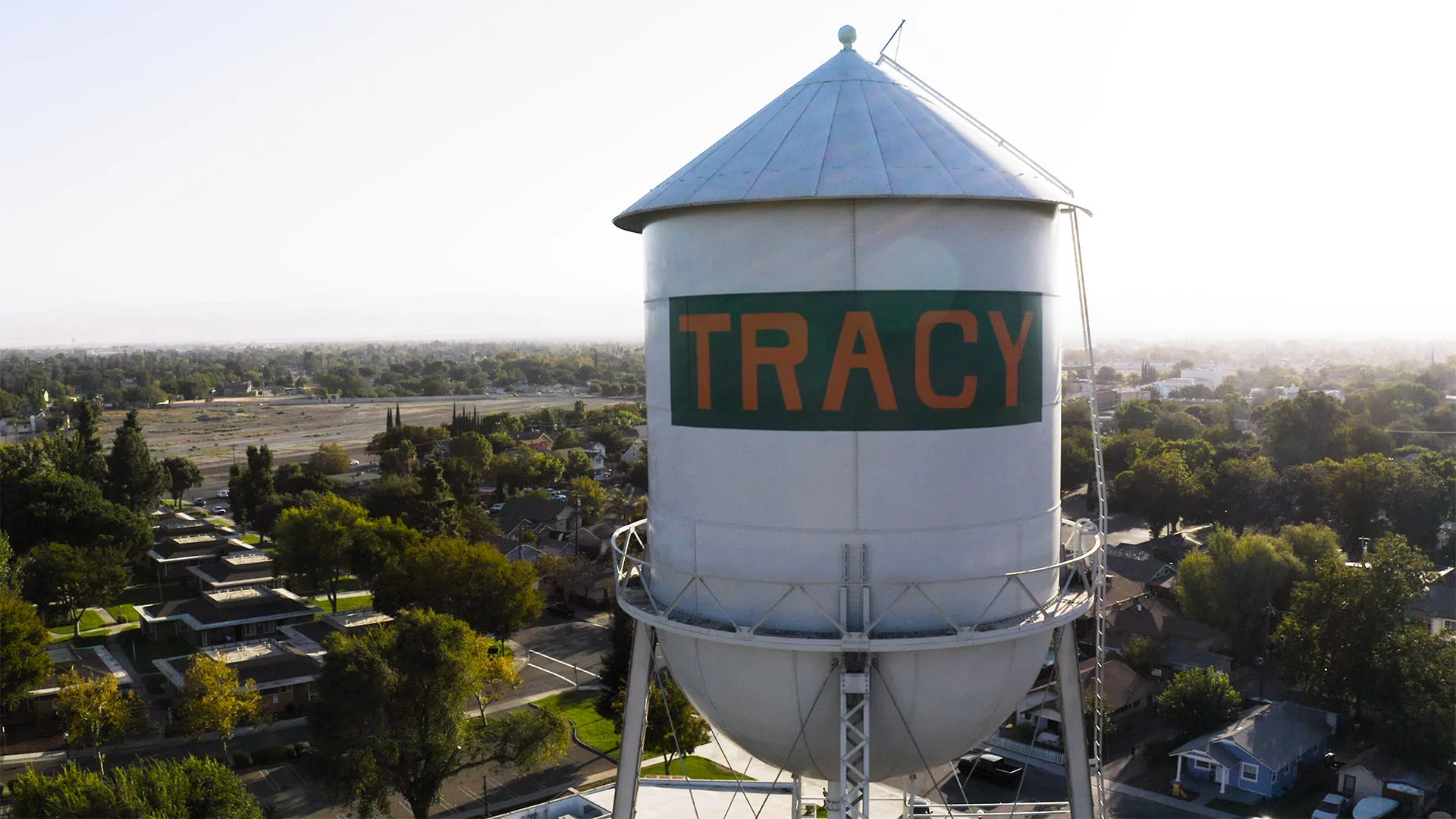
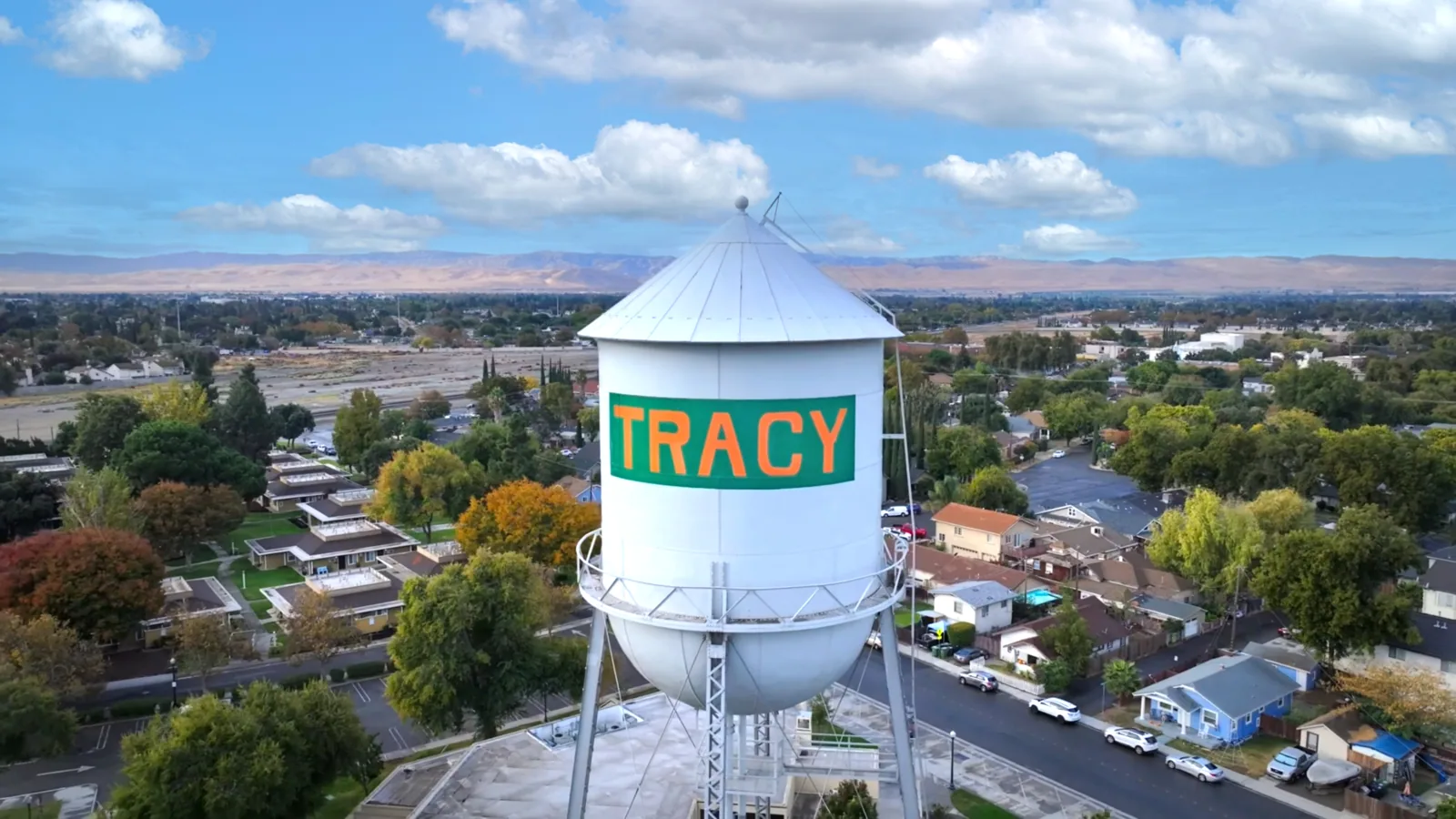
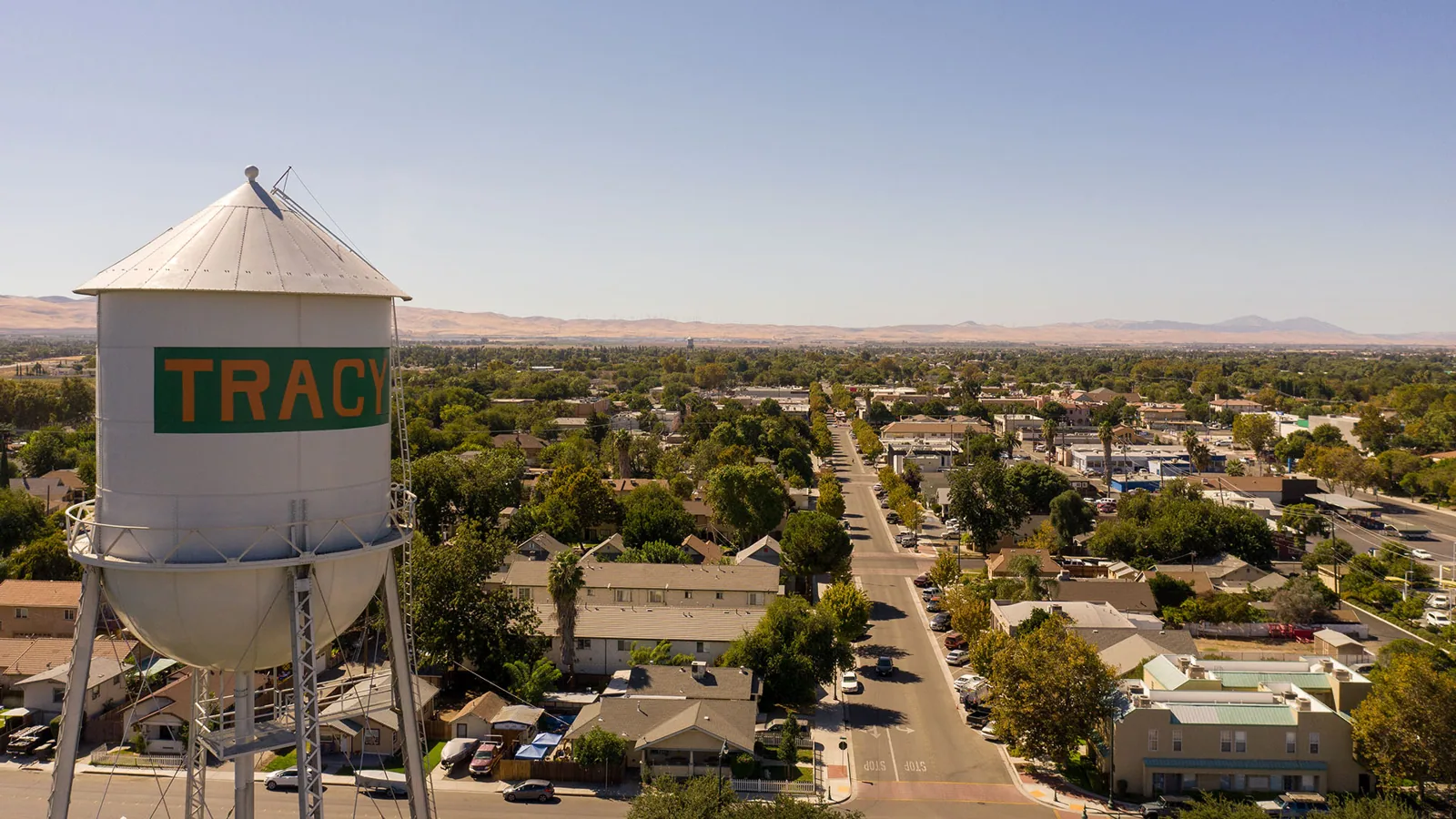
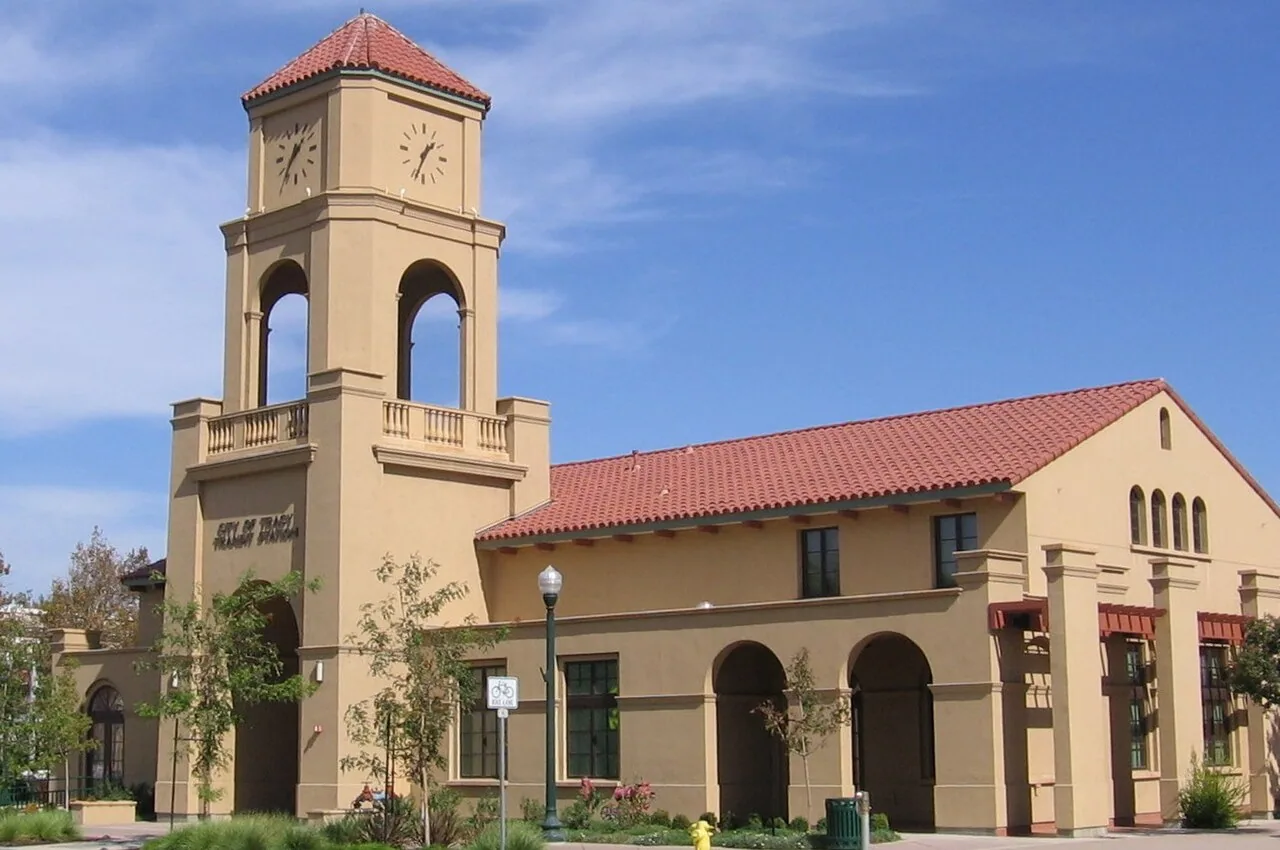
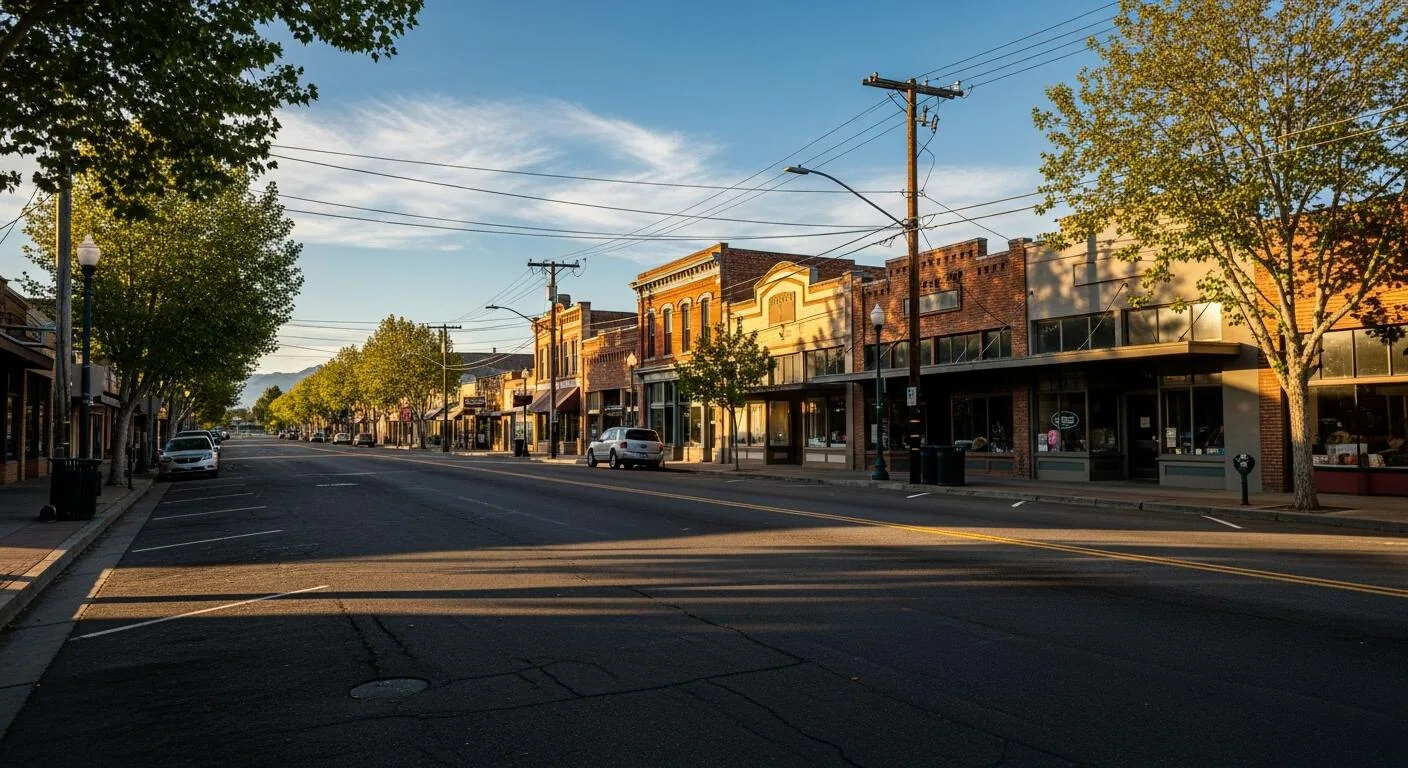
Service Areas in Tracy, CA
Commercial Roofing Tracy
Plan commercial roof service across Tracy and its broad business districts by location, access, roof records, and the work decision at hand.

Plan commercial roof service across Tracy and its broad business districts by location, access, roof records, and the work decision at hand.
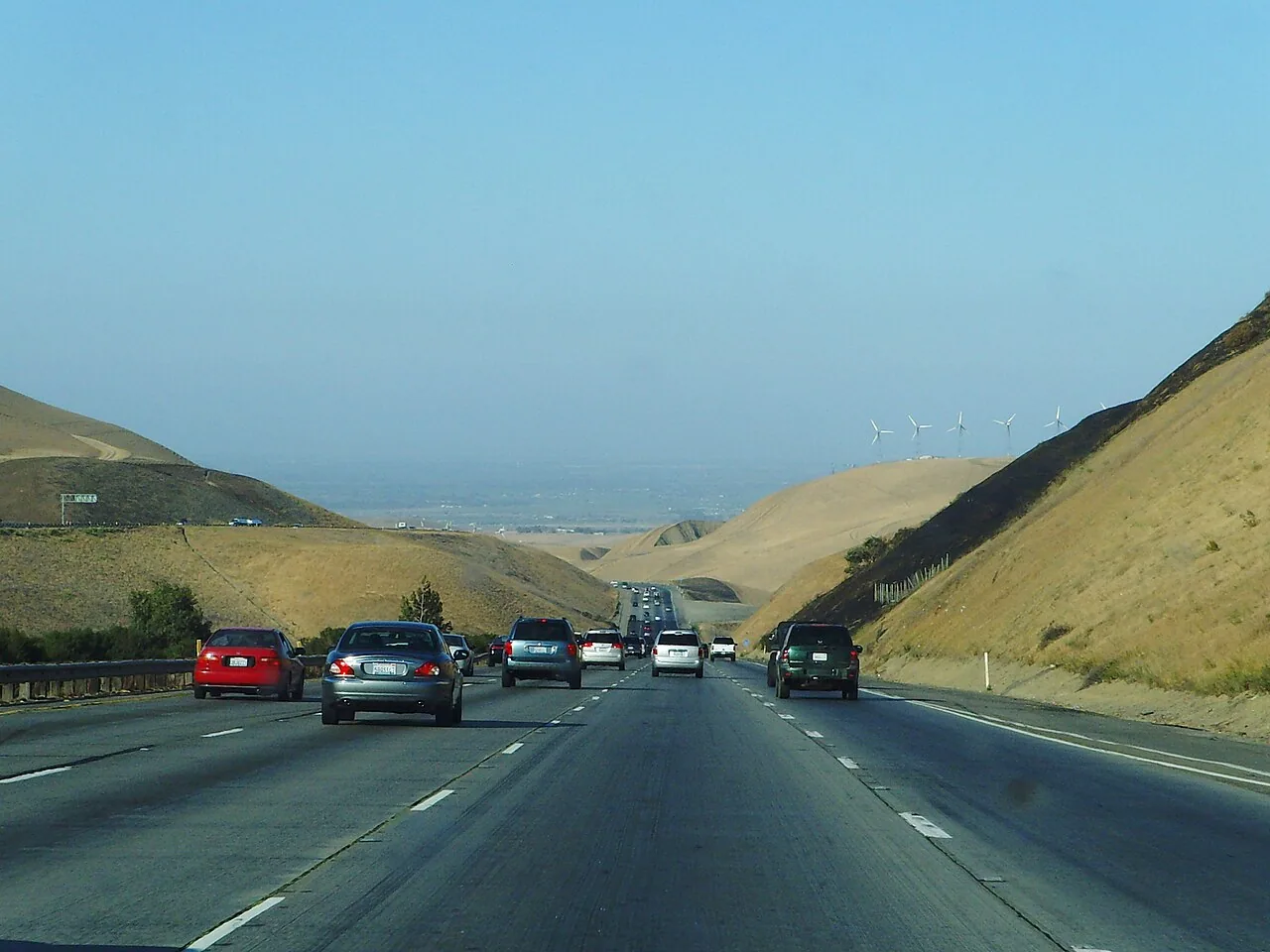
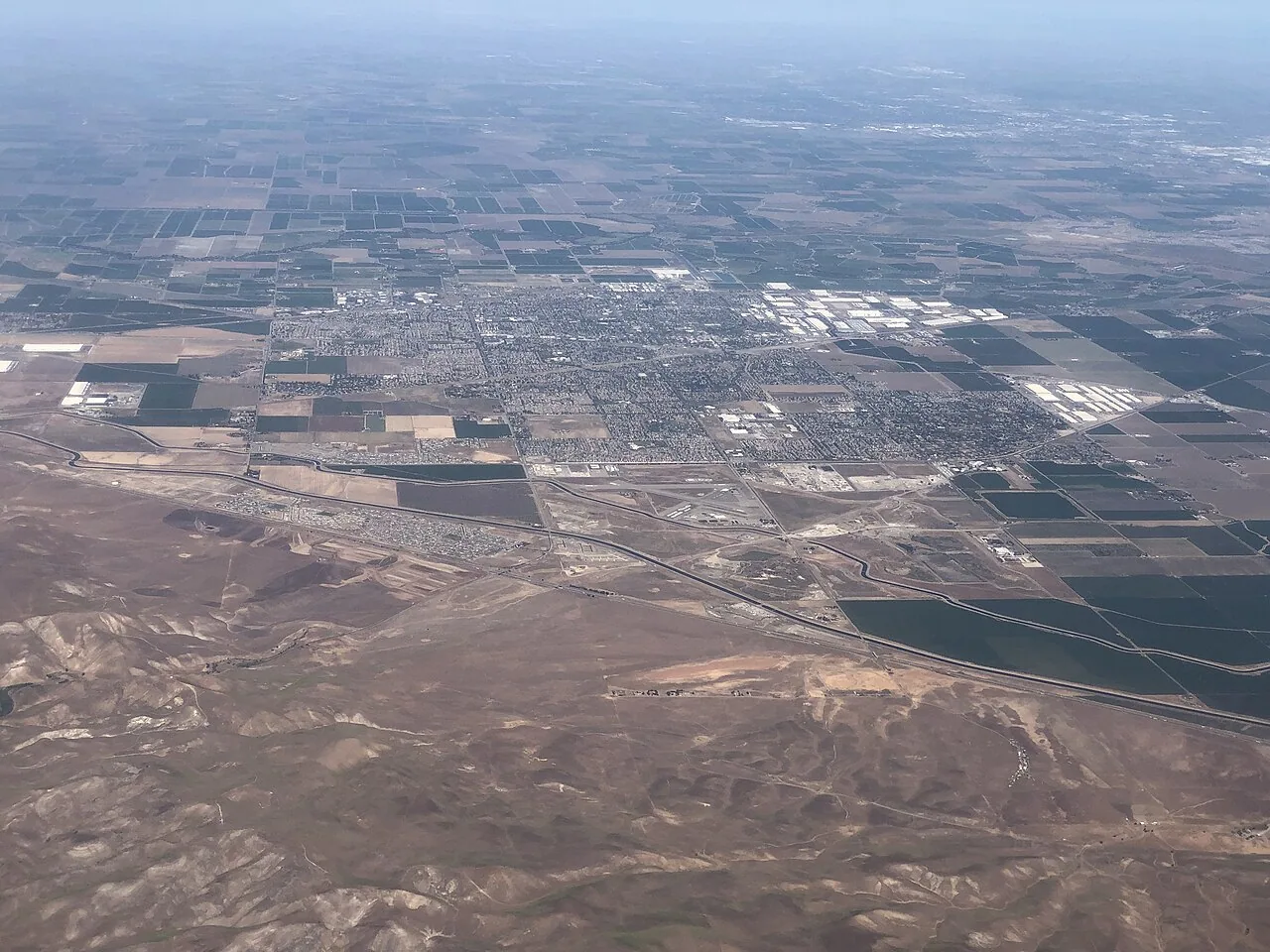
A work request needs a property address and an access contact before a roof zone can be assigned. Tracy connects through I-5, I-205, and I-580, and its planning documents identify several distinct commercial and employment areas. We use those names to orient a service conversation, then confirm the actual roof, entry conditions, and requested work with the property team. A district label does not confirm a defect, an assembly, or permission to enter a site.
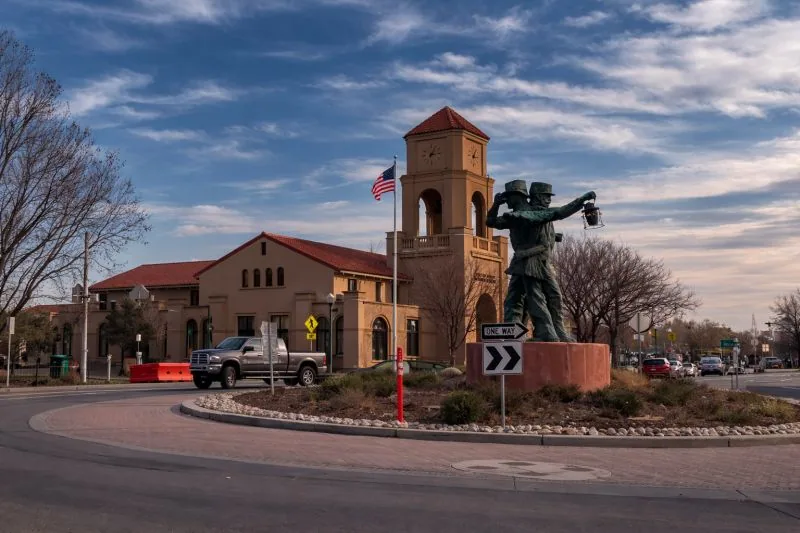
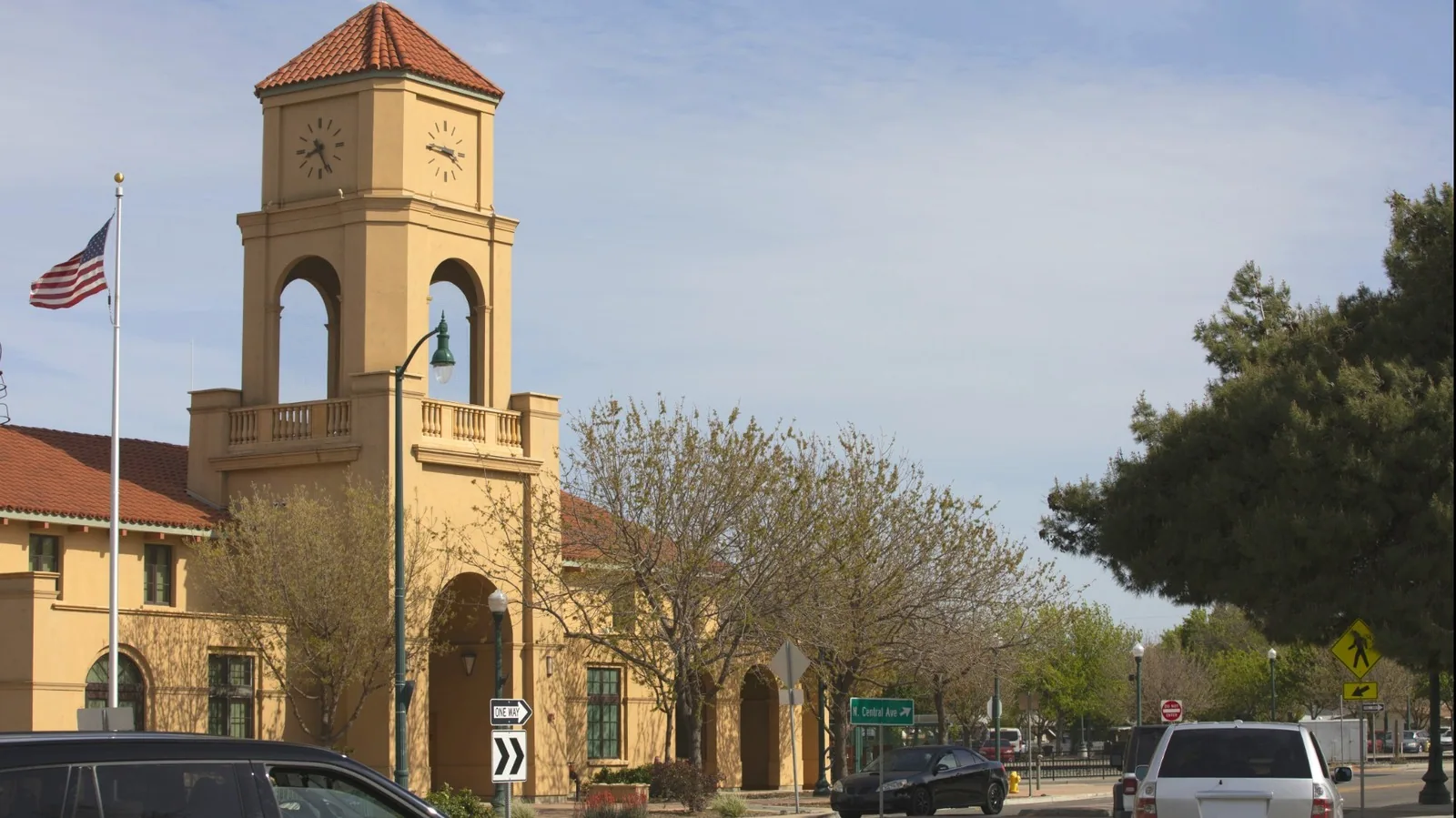
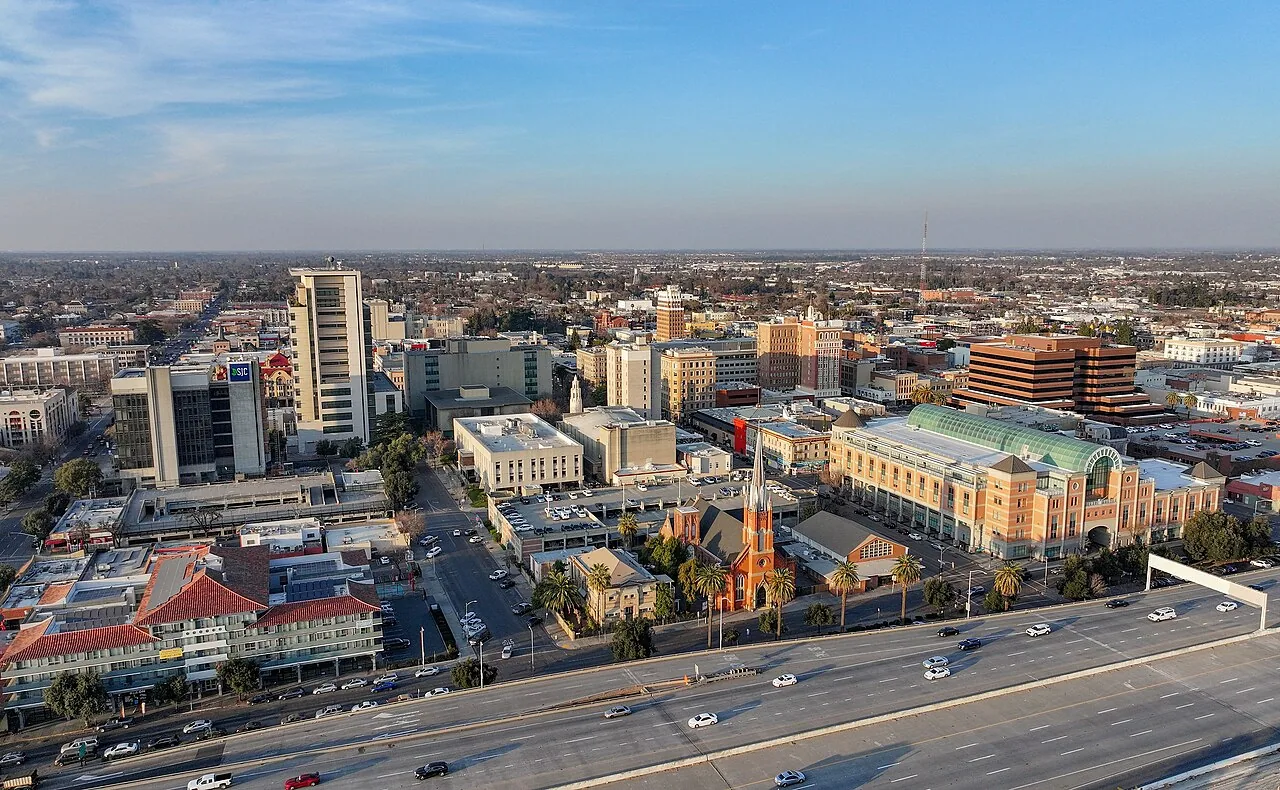
Downtown Tracy has a city-center land-use classification; by contrast, the I-205 Corridor plan locates commercial uses at the Grant Line Road interchange. At Tracy's northeast corner, the Northeast Industrial PUD spans an identified 870-acre planning area; categories for the broader district include manufacturing, flex-tech, rail-dependent work, and warehouse and distribution. These areas help distinguish a city-center request from a corridor or employment-area assignment. Keep the exact property and roof plan attached to each work order.
Tracy's industrial planning also includes the Industrial Areas Specific Plan and South Tracy Business Park. A location name helps identify the broad geography, but the owner must confirm the building list, site representative, access route, and work hours. If a request falls in the Westside Specific Plan, use the property records to separate established conditions from planned land uses.
A leak report should identify the affected interior area, date, and operating condition. We mark the roof zone, trace nearby seams and drainage details, and record photographs with a fixed reference. If the property has several roof sections, use a separate identifier for each assembly. The Downtown Tracy area and Tracy service area are broad location references; the site plan determines where the inspection begins and which areas remain inaccessible.
When the assembly or moisture extent cannot be confirmed visually, note the test needed and who can authorize it. A commercial roof inspection can distinguish observed defects from untested conditions. The marked record should show which roof details connect to the report and what evidence is still needed before repair pricing can be set.
A localized repair should name removal limits, preparation, material, tie-in, and the detail that will be checked at closeout. Repeated failures, confirmed wet substrate, or unstable edges may support a broader comparison. For a property in a shopping or office planning area, the land-use label does not tell us what membrane is installed. Confirm the layers, drainage, attachment, and prior work from the property records or authorized inspection.
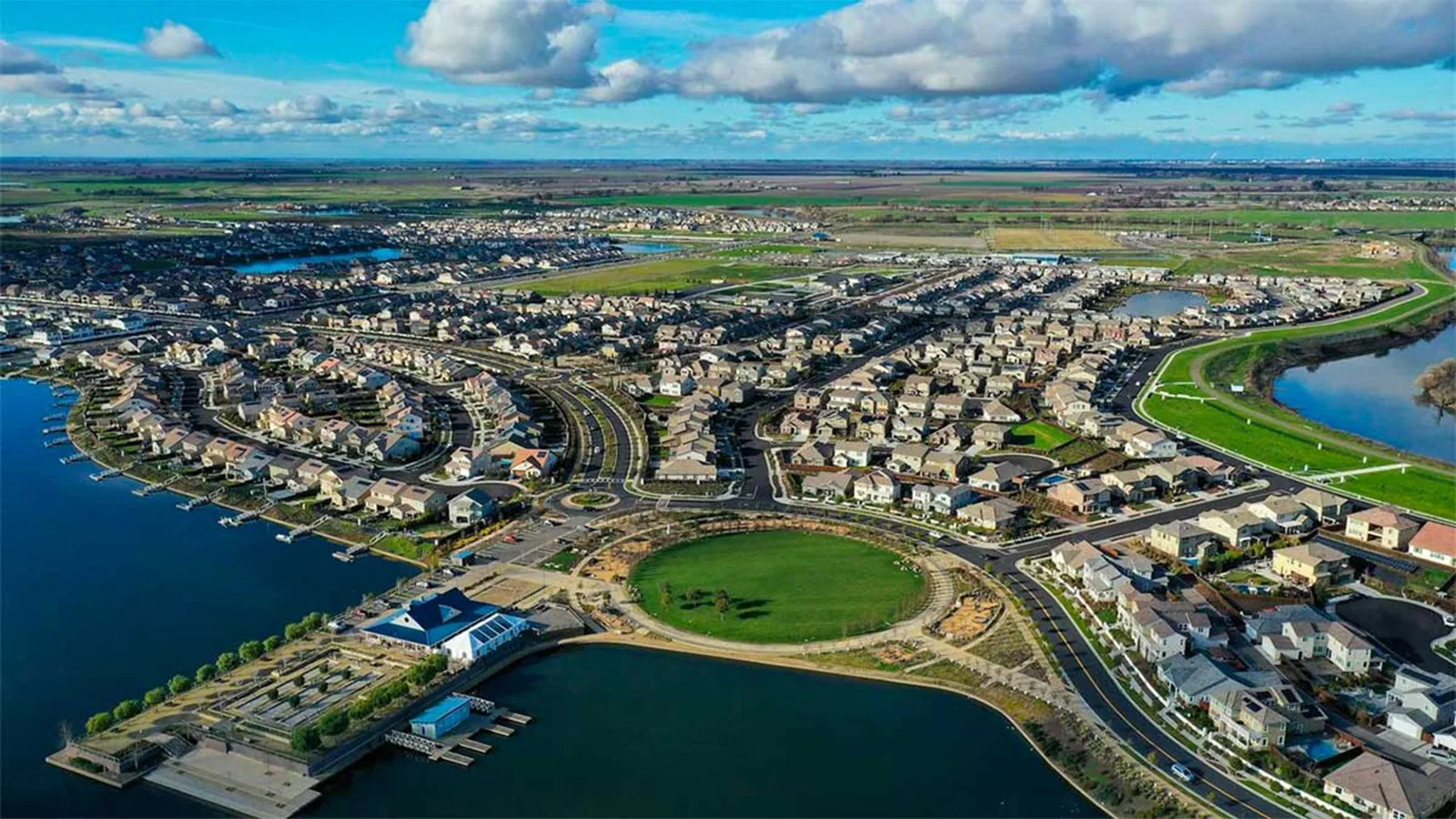
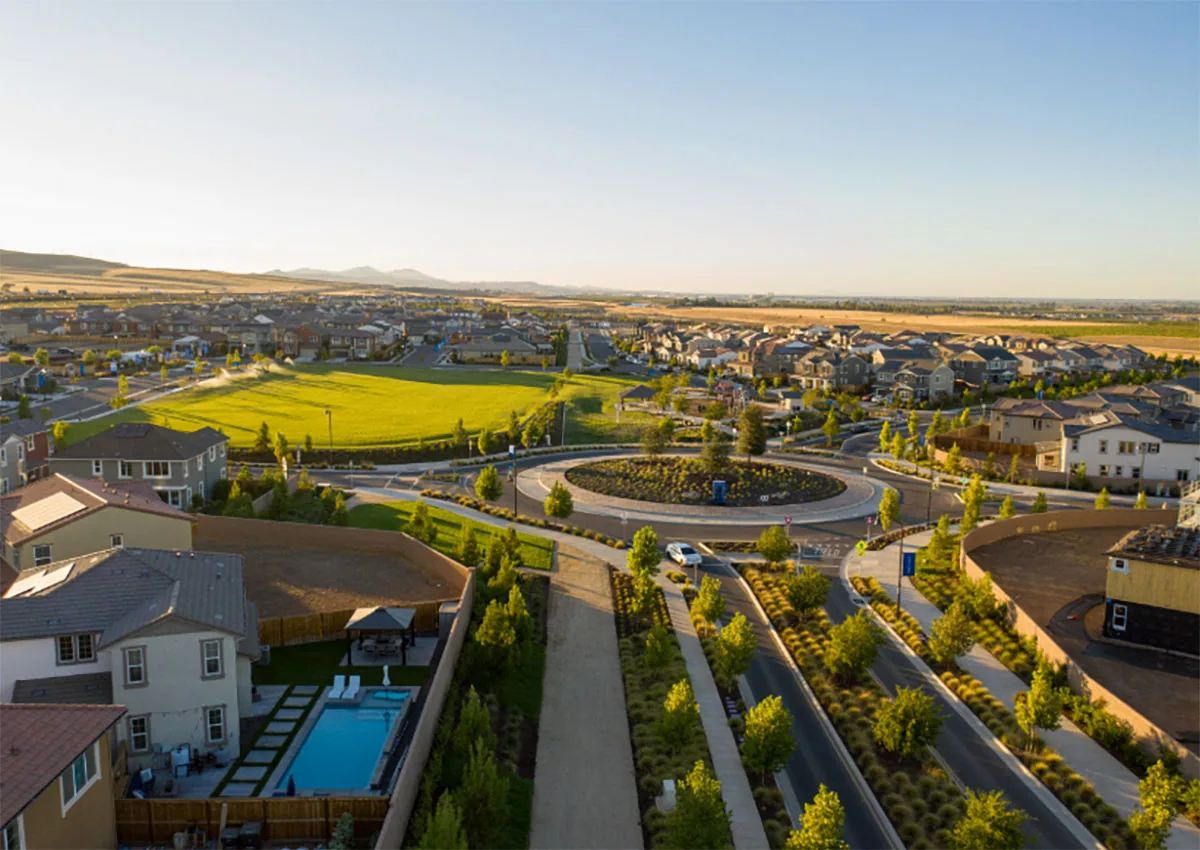
Tracy's design criteria identify Climate Zone 12, a 101.2-degree two-percent dry-bulb high, and wind Exposure C. Keep these values as city design references; they are not a building measurement or application-day forecast. The Tracy Hills planning area is planned for residential, commercial, office, industrial, and recreation uses. Downtown Stockton is a historic district with mixed-use buildings and ground-floor retail. For each site, use its own jurisdiction, plans, roof observations, and access approval.
At closeout, preserve the property identifier, roof-zone map, dated photos, repair ticket, approvals, and unresolved access limits. State what work is complete and which test or owner decision remains open. That record lets the next visit follow the same roof boundaries, even when a property changes hands or a maintenance request comes from a different contact.
It identifies broad geography. Confirm the address, access permission, roof records, and requested scope with the property contact.
Send the roof plan, leak history, recent repair tickets, photographs, access rules, and the decision deadline.
No. Establish the property assembly and current condition through records and inspection before selecting a repair method.
Keep each request tied to its property address, roof plan, access contact, and observations rather than grouping unrelated conditions by area name.
Send the property address, roof plan, recent reports, access contact, and the decision that needs support. We can mark the affected zones and define the inspection or repair work for that site.