Industries We Serve in Tracy, CA
Commercial Roofing Tracy
Plan commercial roof work for Tracy organizations by occupancy, site access, asset records, and the evidence needed to approve a repair or capital scope.

Plan commercial roof work for Tracy organizations by occupancy, site access, asset records, and the evidence needed to approve a repair or capital scope.
A roof opening above an active work area needs a named approver, a protection plan, and a limit the crew can follow. Tracy's local economic profile includes transportation and warehousing, food manufacturing, retail, restaurants, office, and industrial growth. The Northeast Industrial PUD adds manufacturing, warehouse, distribution, rail-dependent, and flex-tech designations. We use those broad sectors to ask better access questions, then verify each property's own schedule, roof assembly, and operating rules.
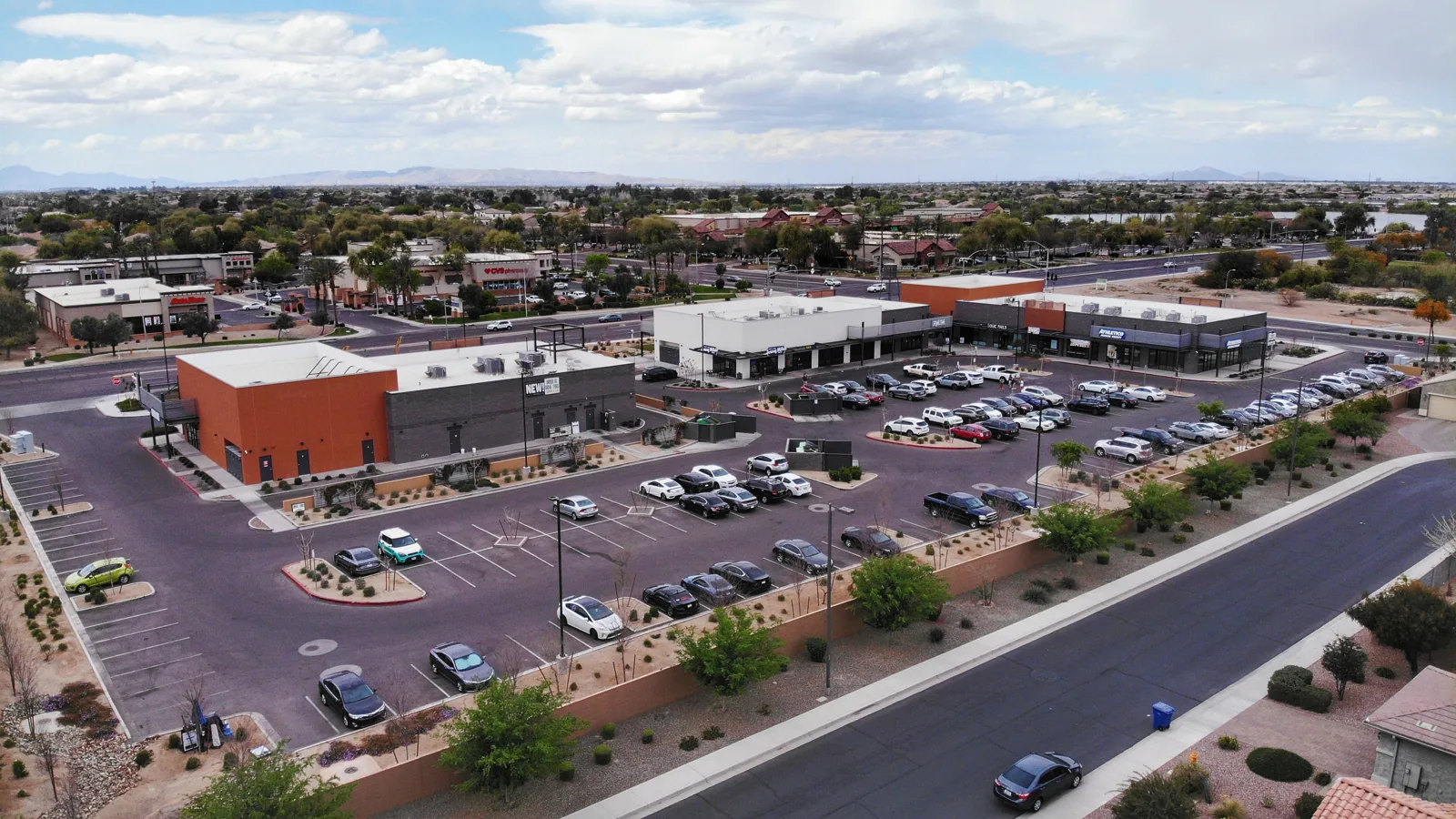
For property managers, a shared roof-zone map can connect tenant reports, service tickets, and approved work areas. Real estate investors may need condition records arranged by asset and decision date. In either case, label accessible observations, concealed questions, and repair boundaries separately. A roof asset record helps keep those distinctions visible as ownership or maintenance responsibility changes.
Tracy's 2024 inventory identifies substantial commercial and industrial land-use categories, but acreage does not translate into a count of buildings or roofs. A Downtown Tracy review covers its broad city-center geography; the Northeast Industrial PUD represents a different employment area. Project-level building lists and roof records remain the basis for scope and scheduling.
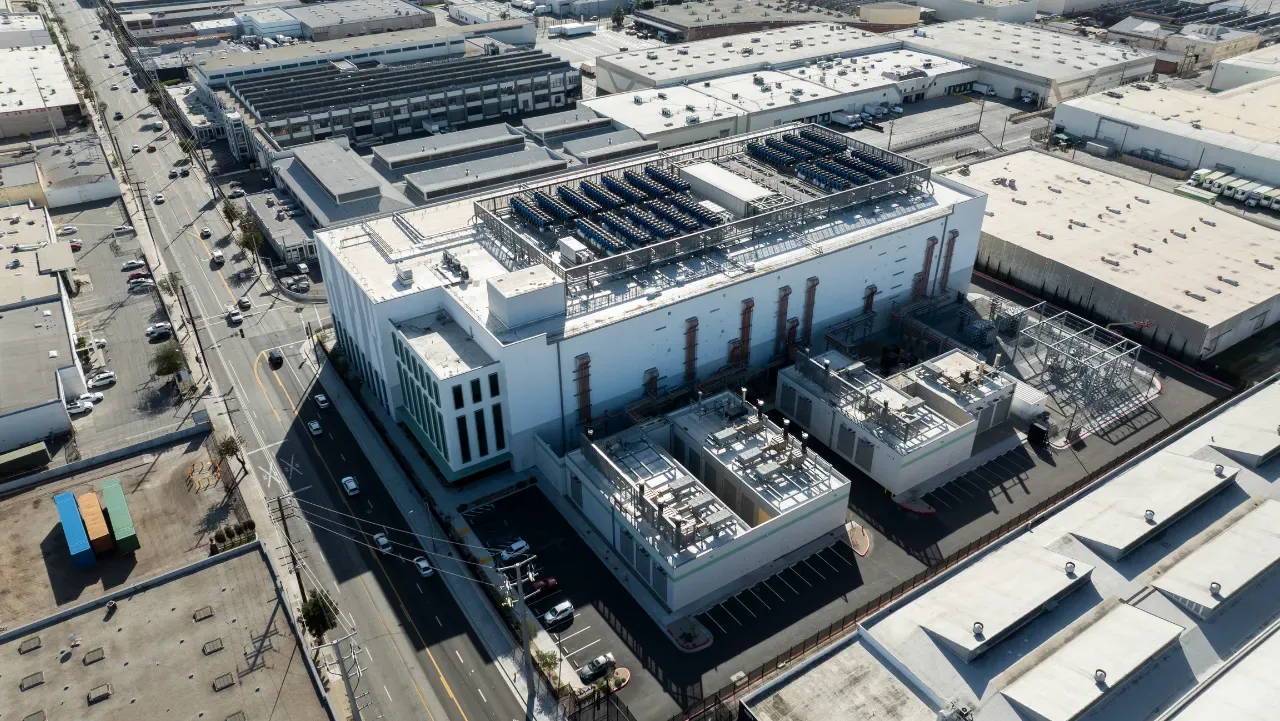
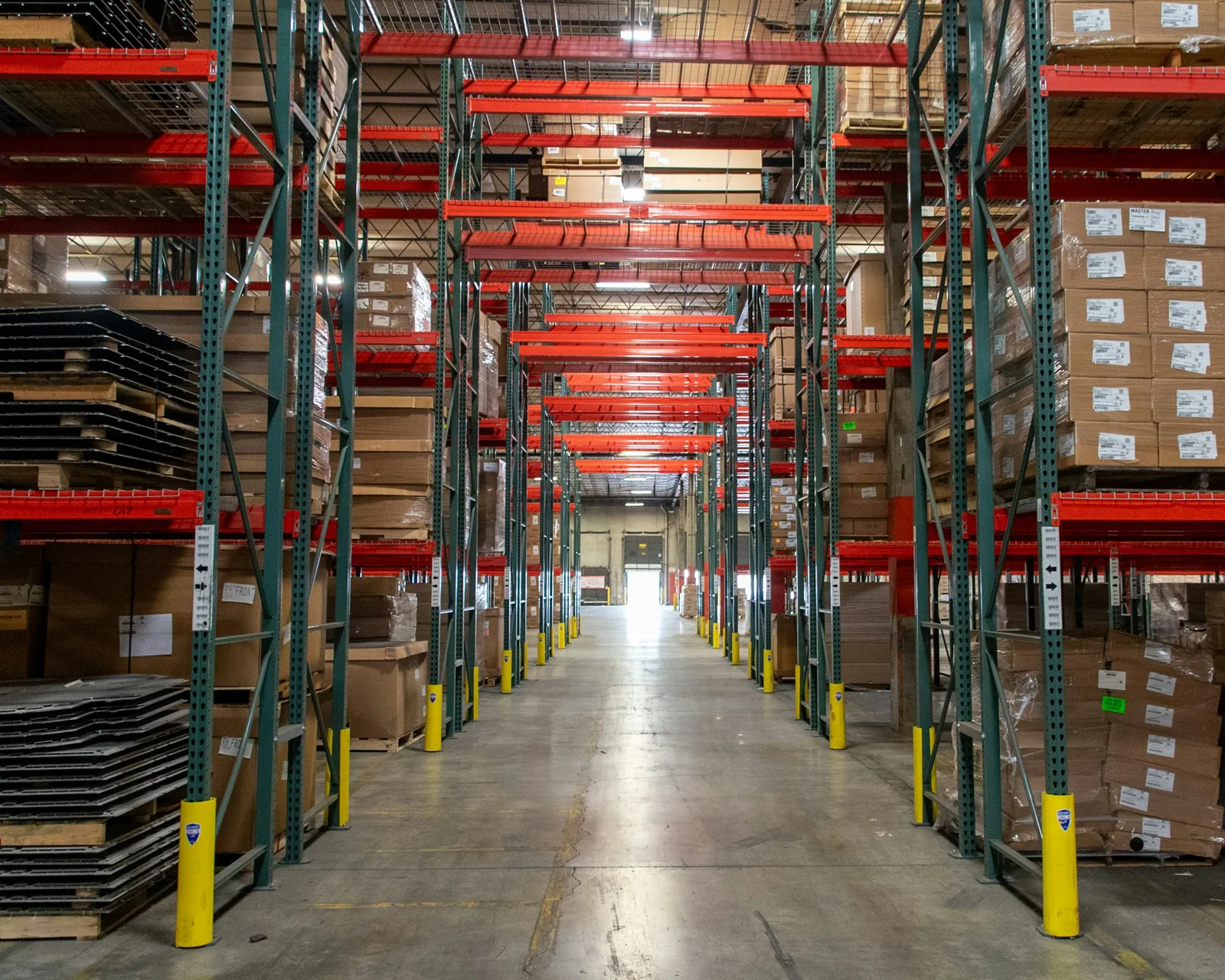
Manufacturing teams and logistics operators can have different delivery, production, and equipment needs. We confirm the rules for the affected roof zone, identify who can approve a shutdown or test opening, and plan temporary dry-in before removing material. If the site is occupied, document routes, staging, noise limits, and the person who receives a schedule change. Do not infer those conditions from an industry label.
For a healthcare system, protect access to sensitive areas and coordinate any roof work that could affect equipment or interior operations. A phased reroof scope can show the sequence, daily boundary, and handoff between zones. Site rules should be written by the property team and attached to the specific building plan.
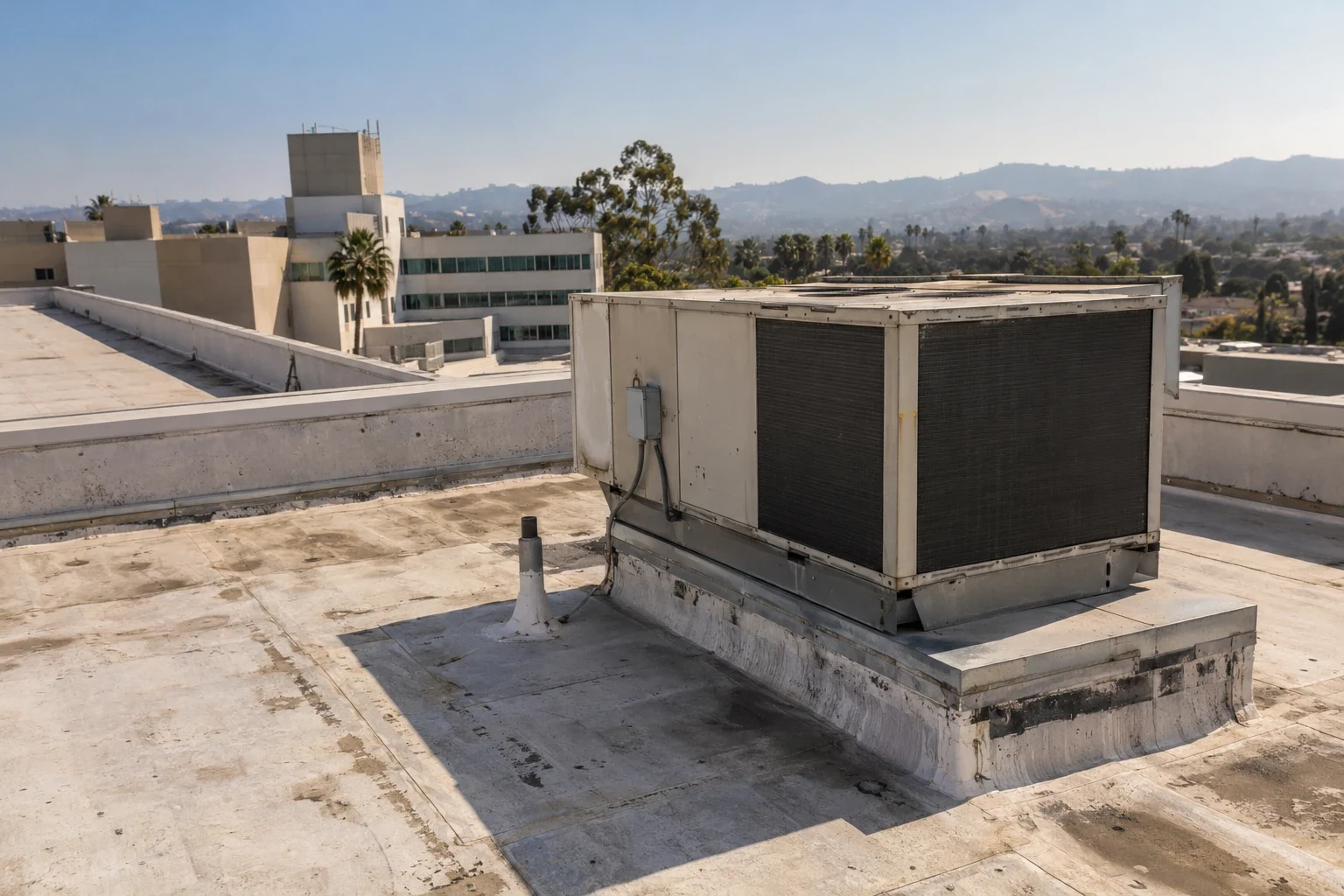
A leak ticket alone may not show whether water entered through a seam, drain, wall, curb, or prior repair. We inspect the connected details, mark photographs, and note access limits before recommending work. A commercial inspection can establish the visible condition. If a concealed layer changes the recommendation, state the test opening and approval needed rather than carry an unsupported allowance into every bid.
When a claim is active, insurance and restoration teams may need dates, measurements, temporary protection records, and a defined repair limit. Keep the roof observation separate from cause determinations that require other evidence. Tracy's criteria also identify Climate Zone 12 and wind exposure C; use them as city design context while the project's drawings and conditions govern the property decision.
Close each assignment with dated photos, materials, test results, completed zones, and open access items. List who approved changes and what remains outside the work. The same record can support annual maintenance, a sale review, a capital request, or a later claim without presenting a citywide sector as proof about an individual roof.
Provide the property list, roof plans, service tickets, access rules, and the decision dates. Identify which building contacts can approve testing or schedule changes.
No. We confirm the assembly from records, visible details, or authorized testing at the individual property.
Set the affected zones, access route, protection, operating windows, and site approver before the crew mobilizes.
Preserve dated observations, measurements, temporary work, and repair limits in the project record so the scope can be reviewed separately from cause decisions.
Share the property list, roof plans, service history, access rules, and the decision timeline. We can record building-specific conditions and separate confirmed repair from open testing or coordination needs.