Commercial Roofing for Hospitality Groups in Tracy, CA
Industries We Serve
Plan Tracy hotel and hospitality roof repairs across properties with guest-area protection, mapped defects, clear work windows, and documented renewal options.

Plan Tracy hotel and hospitality roof repairs across properties with guest-area protection, mapped defects, clear work windows, and documented renewal options.
A roof repair above guest rooms or a shared lobby needs a defined work zone before the schedule is set. We map the affected roof area, inspect drains, seams, curbs, and transitions, then document what is confirmed and what requires further testing. The property contact can coordinate rooms, public routes, and staff notice against that boundary. A single report stays tied to the building inspected, even when ownership manages several locations.
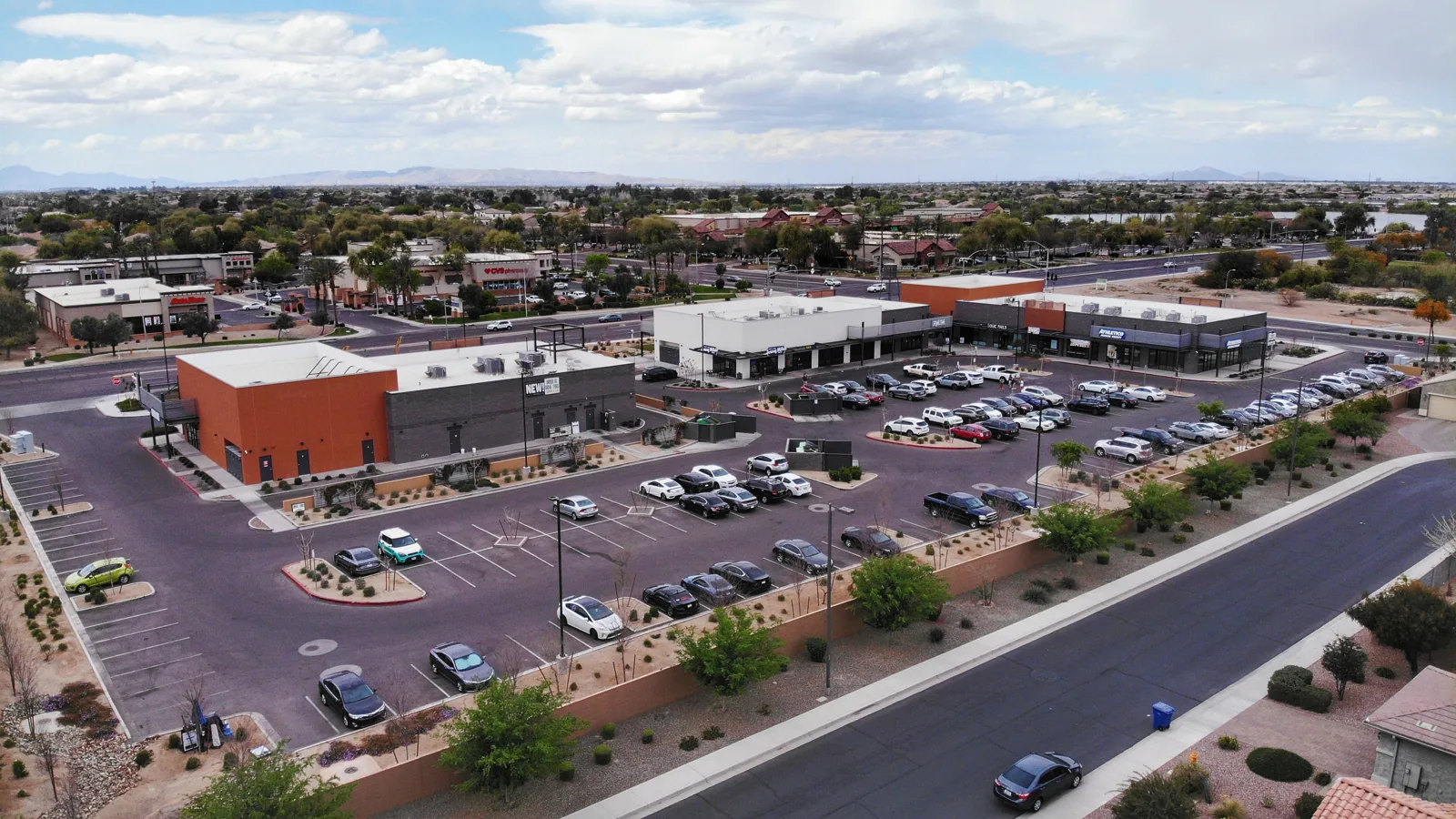
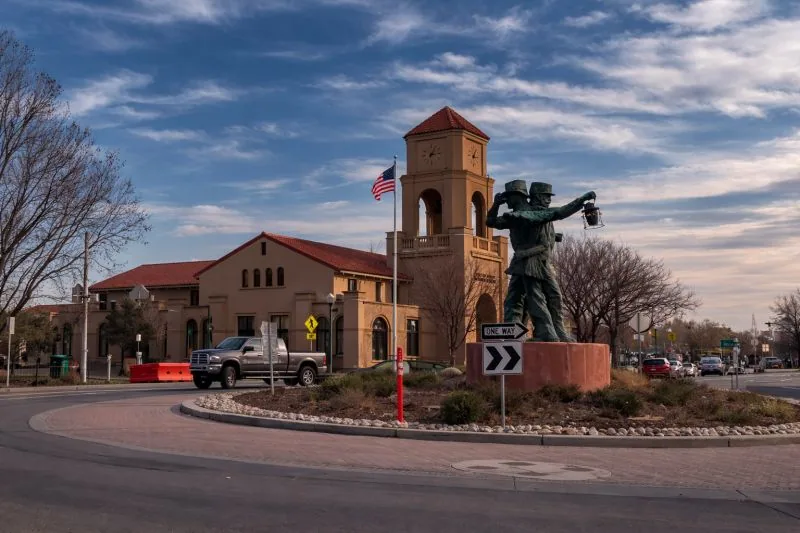
Tracy's commercial profile includes national retailers and restaurants, alongside continued office and industrial activity. Downtown Tracy is identified as a distinct city center, while the I-205 Corridor Specific Plan covers a separate commercial geography. These facts give a broad local frame, not an account of any hotel's occupancy or roof. A roof inspection begins with the property's records and access requirements.
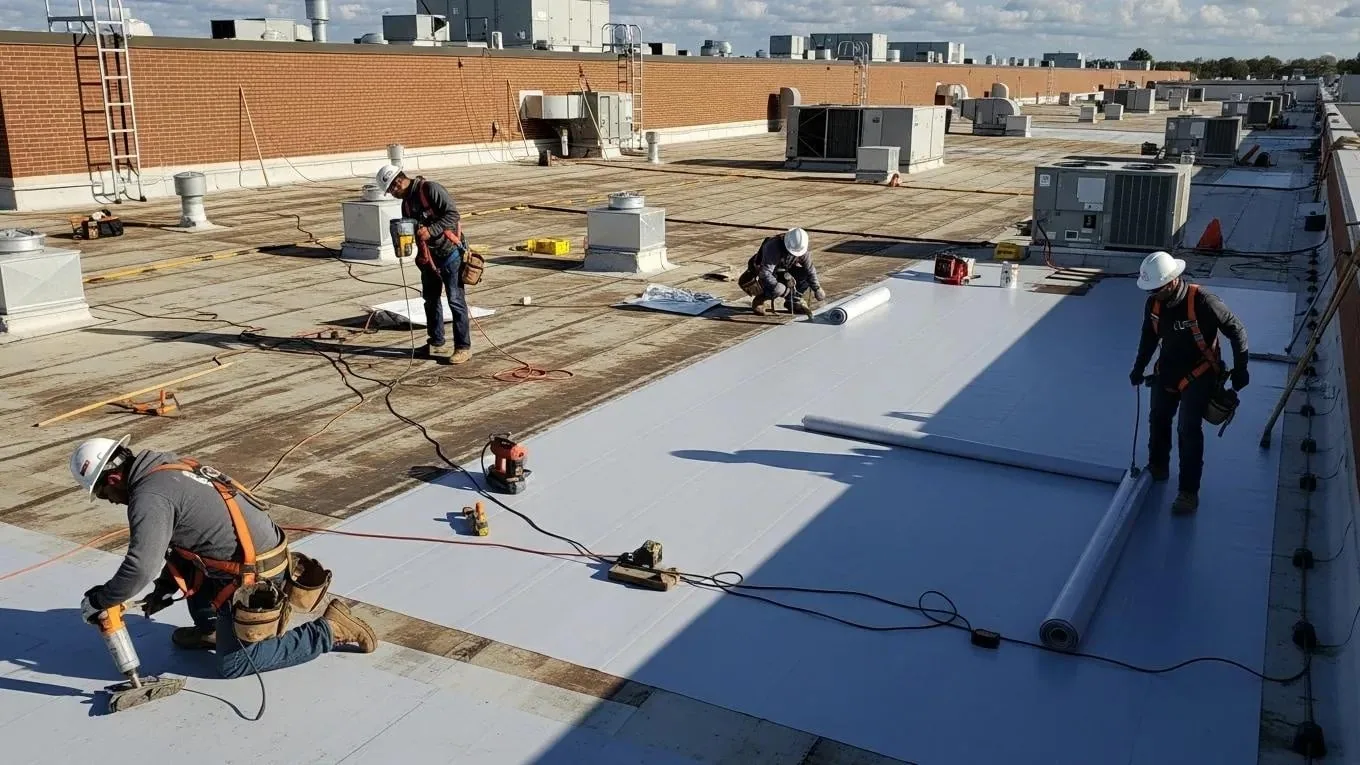
Before mobilization, confirm roof access, staging, deliveries, service entrances, rooms below the work, and any public path that must remain open. The hotel contact controls guest notices and operating decisions. Our sequence marks the roof zone, protection below, material route, and time when the area will be closed for the day. If removal exposes a larger defect, we share the condition and revised boundary before extending the work.
For a property with several wings or additions, map each section separately and identify which rooms or common areas are below it. Do not assume that a repair can be scheduled at the same time across every building. A phased reroof sequence can show daily closure points and coordination needs. A property manager's roof record can keep building contacts, access rules, and completed work attached to each address.
For a ceiling report, record the room, date, and whether water is still entering. Compare the location with the roof plan and inspect the nearest seams, penetrations, drains, edge details, and earlier patches. Water may travel along framing or a roof plane before showing indoors, so the symptom is a starting point rather than a confirmed leak source. Use paired labels in the photographs to connect the interior report with the roof zone.
For active water entry, our emergency crew can be reached at any hour, weekends and holiday periods included. Record the temporary control separately from permanent repair and identify when the roof can be revisited. If moisture extent remains uncertain, define a test location or survey area and state its limit. A moisture survey may help select follow-up where the system and conditions support that method.
Review roof drawings, repair tickets, warranties, and visible edges before selecting a material. A hotel property may include additions or previous restoration work; confirm transitions rather than carrying one assembly description across every wing. If a test opening is approved, photograph the layer sequence, attachment, insulation, and deck at that location. Keep unknown layers identified as unknown until a record or test supports the conclusion.
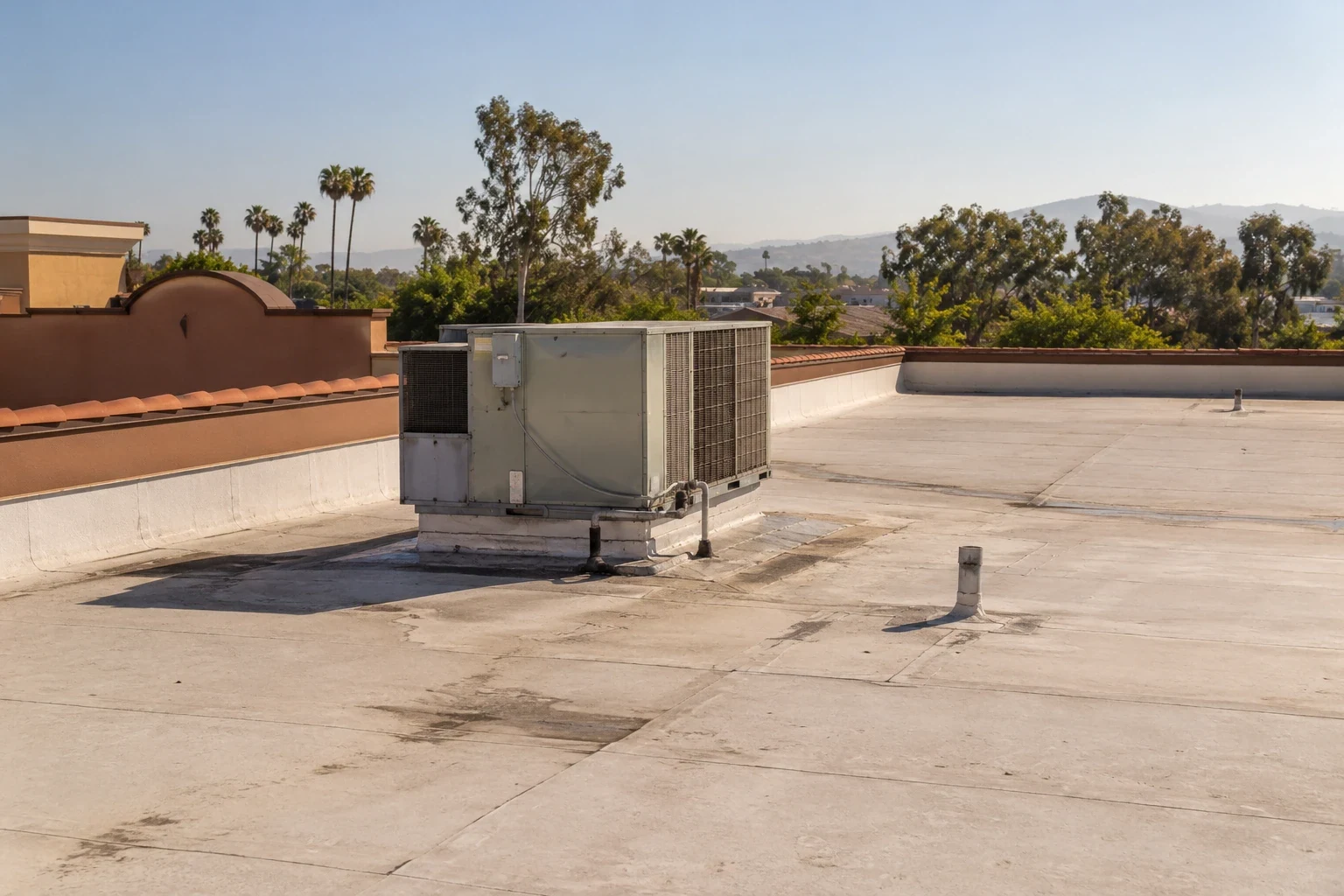
Where HVAC, kitchen exhaust, skylights, or other equipment passes through the roof, inspect its curb and flashing and confirm whether another trade must disconnect or protect it. A hotel roof assessment can map guest-facing and service areas, while a restaurant roof review can address a different mix of roof penetrations and operating spaces. The building's own condition should determine the repair detail.
In the 2025 Tracy design table, the climate classification is Zone 12; a separate entry sets 101.2°F as the two-percent dry-bulb benchmark. That value belongs in design review, not as a reading from a hotel roof or a prediction for the day a coating is applied. Compare product instructions with actual surface conditions, preparation, and the assembly being restored. A roof finish cannot compensate for wet insulation or an uncorrected drainage defect.
The I-205 plan sets commercial and service-commercial uses near Grant Line Road, while Downtown Tracy has its own land-use designation. Those are city planning references; they do not prove a property's guest mix, age, or construction. A Tracy roof visit follows the access information the property provides. Keep local design figures and planning context tied to the decision they can inform, then use the roof survey for building-specific scope.
If a single seam or curb is the only failed detail, we can price a local correction after checking substrate and tie-in edges. Restoration or coating can be considered only after confirming the existing roof and preparation requirements. Replacement may be the better comparison when failures recur across several zones, substrate issues are widespread, or the owner needs a new defined assembly. Each option should state its removal depth, drainage work, edge details, room protection, and access assumptions.
Use one roof map to compare measured quantities and identify exclusions such as equipment removal, interior finishes, or areas not inspected. A replacement scope should separate confirmed work from allowances for concealed conditions. For a claim-related repair, an insurance restoration file can hold photographs and the contractor's work record when an insurance process is underway. Do not mix an unapproved claim expectation into the roofing scope.
For each hotel, track the roof map, assembly, current defects, completed repairs, next test, and renewal decision. A portfolio dashboard may sort buildings by urgency, but the source record should remain site-specific. Assign who receives a leak report, who approves a test opening, and who updates the property schedule. This gives the group a working queue without assuming that similar dates or building names mean similar roof condition.
At acquisition or a management transition, collect roof drawings, warranty documents, prior repairs, and contact names before the next service call. List a missing record as a planning gap. If the assembly is unknown, hold material selection until an exposed edge or approved test identifies the layers. This reduces the chance of choosing restoration before confirming that the roof can accept it.
Downtown Tracy and the I-205 Corridor Specific Plan are separate local reference points for grouping nearby visits. Neither determines the loading hours, parking arrangement, or roof access of an individual hotel. For each property, keep the receiving contact and staging instructions with its service file. A capital planning review can connect inspection findings with a renewal decision, while retaining each property's measured work boundary.
The hotel's completion packet should identify the repaired zone, before-and-after images, and the transition restored. Add the product and repair limits to the building maintenance record, with any access restriction or further test listed as an open action. This lets the property contact distinguish the finished work from a return visit still to be scheduled.
If another leak appears, compare its position with the completed zone before assigning a repair. A new report may point to a separate transition or drainage path. The next visit can build on the photos and work scope rather than relying on an unlocated verbal report. The record should make clear what is complete, what needs testing, and who owns the next decision.
Yes. The property contact identifies operating limits, and the work sequence marks guest routes, roof zones, protection below, and each day's closure point.
Send the property address, room or area, time reported, active status, and available photos. The roof map and prior work record help identify the inspection zone.
Compare the existing layers, substrate, drainage, preparation needs, and repeated defects. The proposal should state the measured area, removal assumptions, and remaining unknowns.
Retain dated photographs, zone labels, materials, tie-in details, approvals, exclusions, and any next test with the property's service file.