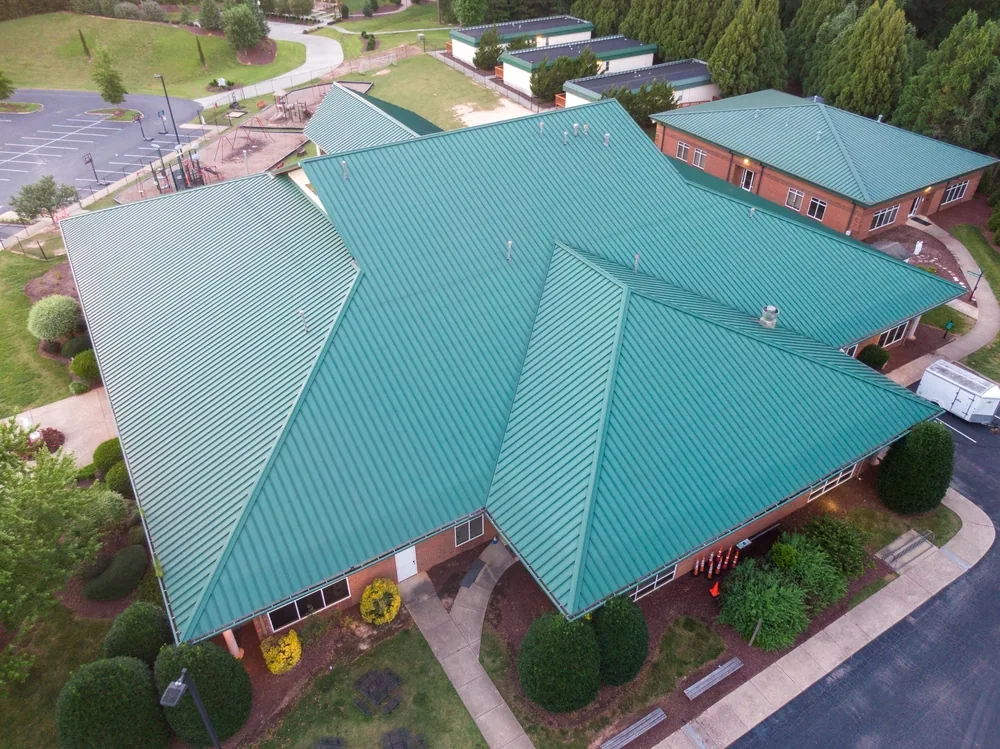
Commercial Roof Asset Management in Tracy, CA
Roofing Capabilities
Build a Tracy roof asset register with mapped conditions, repair history, access limits, and next actions that support maintenance and capital decisions.

Build a Tracy roof asset register with mapped conditions, repair history, access limits, and next actions that support maintenance and capital decisions.
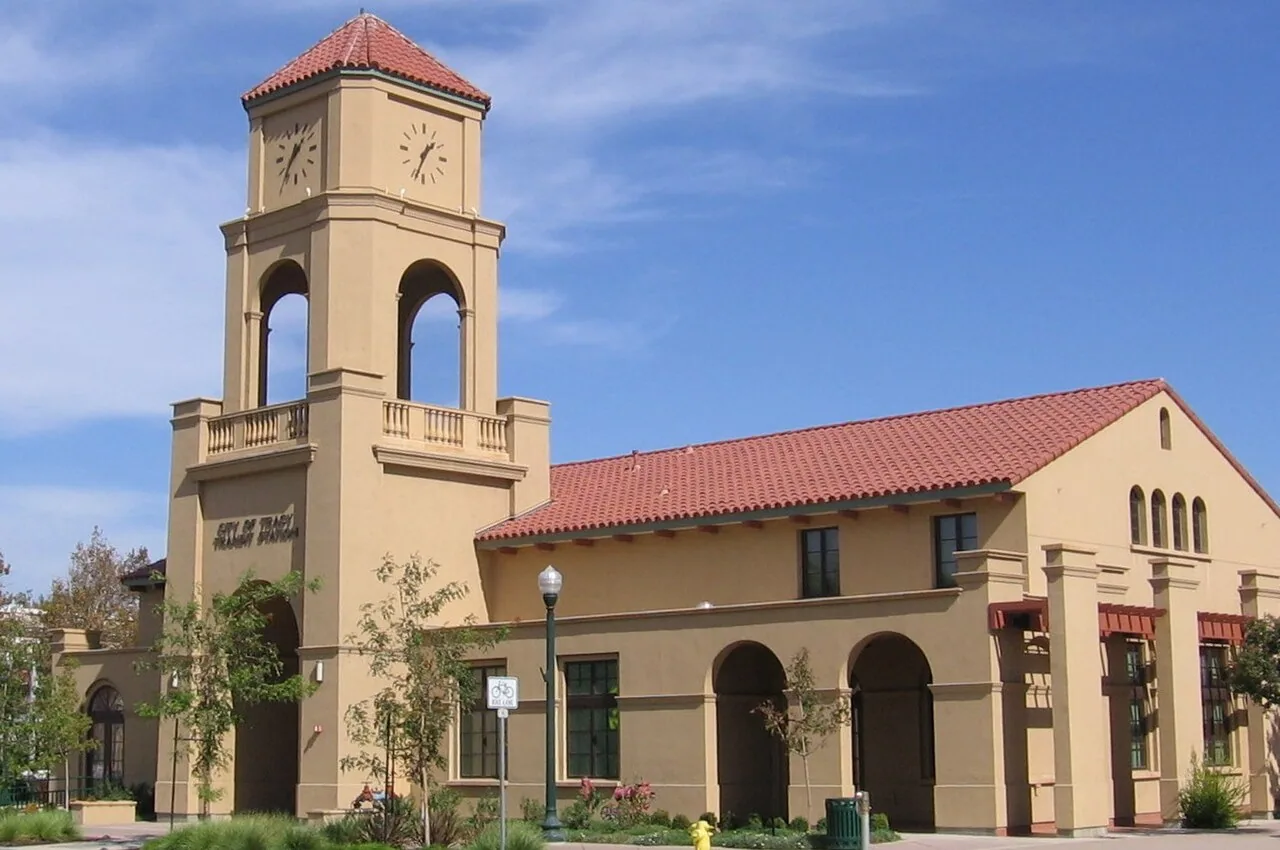
A roof register loses value when several buildings use different names for the same defect. We start with a property list, roof plans, and the records facilities already uses, then assign each roof a stable identifier and zone map. The register keeps the assembly record, observed condition, repair history, access limit, and next decision together. An owner can find the evidence behind a work request instead of treating an old spreadsheet as a current inspection.
Tracy's 2024 land-use inventory assigns 3,436.9 acres to industrial use and 1,110.7 acres to commercial activity. The I-205 Corridor plan includes commercial and light-industrial designations in one broad geography. A corridor roof review still begins with the property address and its assembly record.
Assign a site ID, building name used by the owner, address, roof-zone key, and plan revision date. Keep a separate entry for each roof plane when materials, drainage, age records, or access differ. Do not infer a system from color or a vendor label alone. Record membrane or panel type only when a plan, exposed detail, or inspection supports it. If the owner has no reliable drawing, mark the map as a field sketch and list dimensions still needing confirmation.
For each asset, store the source and date of roof plans, warranty documents, leak tickets, invoices, photographs, and maintenance notes. The Northeast Industrial PUD allows a combination of goods movement, production, and flex-tech activity; that designation does not establish what occupies a particular building today. Keep owner-supplied use notes separate from citywide land-use context. A condition report file can preserve the inspection observations that feed the register.
Give each issue a location, description, date, photograph, and evidence type. A visible open lap is different from suspected wet insulation, and neither should be summarized as a generic roof failure. Mark whether the observation came from a hands-on walk, interior report, instrument reading, approved opening, or record review. State where access stopped. The distinction helps another reviewer see what was examined and prevents one test result from being applied to zones that were not sampled.
Use consistent statuses such as monitor, clean, investigate, repair, or replace, but keep the reason beside each label. A drain with debris needs a different action from a low point that remains wet after the outlet is clear. Tracy's heat-design criterion belongs in local context, not a property measurement field. For a building in the Northeast Industrial PUD, relate the address to its roof plan, then document any condition found on that specific assembly.
Build the action list from condition evidence and the owner's operating priorities. Separate housekeeping, water-entry response, test openings, planned repair, and capital review. Each line should identify a roof zone, the evidence behind the action, the person who can approve it, and dependencies such as a lift, escort, shutdown, or material identification. Put temporary protection on its own line with an inspection time and a conversion decision, so it does not become an undocumented permanent fix.
Use common field names across the register while letting each property keep its own repair boundary. One roof may need a local flashing correction; another may require moisture confirmation before a larger scope is priced. The city describes Tracy at the meeting of I-205, I-580, and I-5, a regional setting relevant to portfolios with multiple addresses. A multi-building program can coordinate reporting without merging the condition of separate assemblies.
A portfolio view helps only when underlying entries keep their limits. Compare repair quantities, material assumptions, access needs, and unresolved questions by roof zone. A quote with a defined removal depth cannot be compared fairly with an allowance that leaves substrate repair open. Note which estimates use current field observations and which rely on older drawings. For reserve review, group work by decision date and evidence quality, not by an unsupported prediction of remaining service life.
When a roof enters capital review, carry the inspection date, prior repairs, warranty status, and open test items into the same decision file. A change in occupancy, equipment, or business hours can affect sequence, but verify those details with the property contact. The capital planning review can organize the timing question; a roof inspection supplies current observations. Attach both records to the asset ID so the owner can trace each recommendation.
Before a visit, confirm the hatch, ladder, keys, safety rules, roof paths, and equipment that cannot be interrupted. Ask who may approve a test opening and who receives notice if the work boundary changes. If tenants and operations staff use different contact channels, record the responsible person for each building. Permission does not replace an access log: record the date, areas reached, and any zone left uninspected because of weather, obstruction, or safety limits.
An owner managing several Tracy addresses can set common fields for site contact, access approval, and follow-up while keeping each roof map separate. The same person may coordinate records, but only the building contact can confirm current entry rules and roof access. A sequence for an occupied property should list the approved window and protection steps. Retain the final map revision, marked photographs, and closeout log after the crew leaves.
Close a work item by recording the completed zone, materials stated in closeout documents, photographs, test results, and any excluded area. Update the plan revision only after the owner accepts the new map. If a repair exposes wet insulation or an unexpected layer, preserve the initial boundary and add a dated change entry with the approving contact. That history gives the next inspection a reliable starting point and distinguishes an old condition from later damage.
Set a review date for open conditions, warranties, access contacts, and pending documents. Do not mark an item closed because a proposal was issued or a crew mobilized. A maintenance visit can verify listed actions, while a warranty review can check the records attached to covered work. Send the updated register to repair and reserve decision-makers with unresolved evidence labeled for the next visit.
At each review, reconcile the register with current service requests and invoices, then note which document changed an item status. Keep retired roof plans in an archive with the superseding revision identified; deleting them can erase why an older proposal used different quantities. If ownership transfers, confirm who receives the files and which contact can authorize testing. That handoff keeps the next inspection tied to the same roof-zone identifiers.
Start with the roof map, verified assembly description, condition history, warranties, repairs, access rules, and dated photographs. Add an owner, next action, and evidence limit to each open item.
No. Tracy's planning categories describe broad uses. Confirm the actual roof through owner records, exposed details, and inspection before assigning a system label.
Give each roof its own ID and zone plan, then connect entries through a portfolio index. Keep test results and repair boundaries tied to the location where they were collected.
Close it after the authorized work or investigation is documented. Record the finished area, photos, remaining exclusions, and any follow-up date in the same asset history.
Share building addresses, current roof plans, repair tickets, warranty files, access contacts, and the decision the portfolio team needs to make. We can map gaps before setting the field sequence.