Multi-Site Commercial Roof Programs in Tracy, CA
Roofing Capabilities
Coordinate roof inspections, repairs, records, and approvals across a Tracy-area portfolio while keeping each building's scope and condition distinct.

Coordinate roof inspections, repairs, records, and approvals across a Tracy-area portfolio while keeping each building's scope and condition distinct.
A portfolio standard should make records comparable without pretending every roof has the same condition. We set common fields for site identity, roof zones, evidence, repair status, access limits, and closeout, then keep the plans and findings tied to each address. That structure lets a facilities lead compare open actions across buildings while preserving the boundary and test history for each assembly. A shared program is a reporting method, not a substitute for a property-specific inspection.
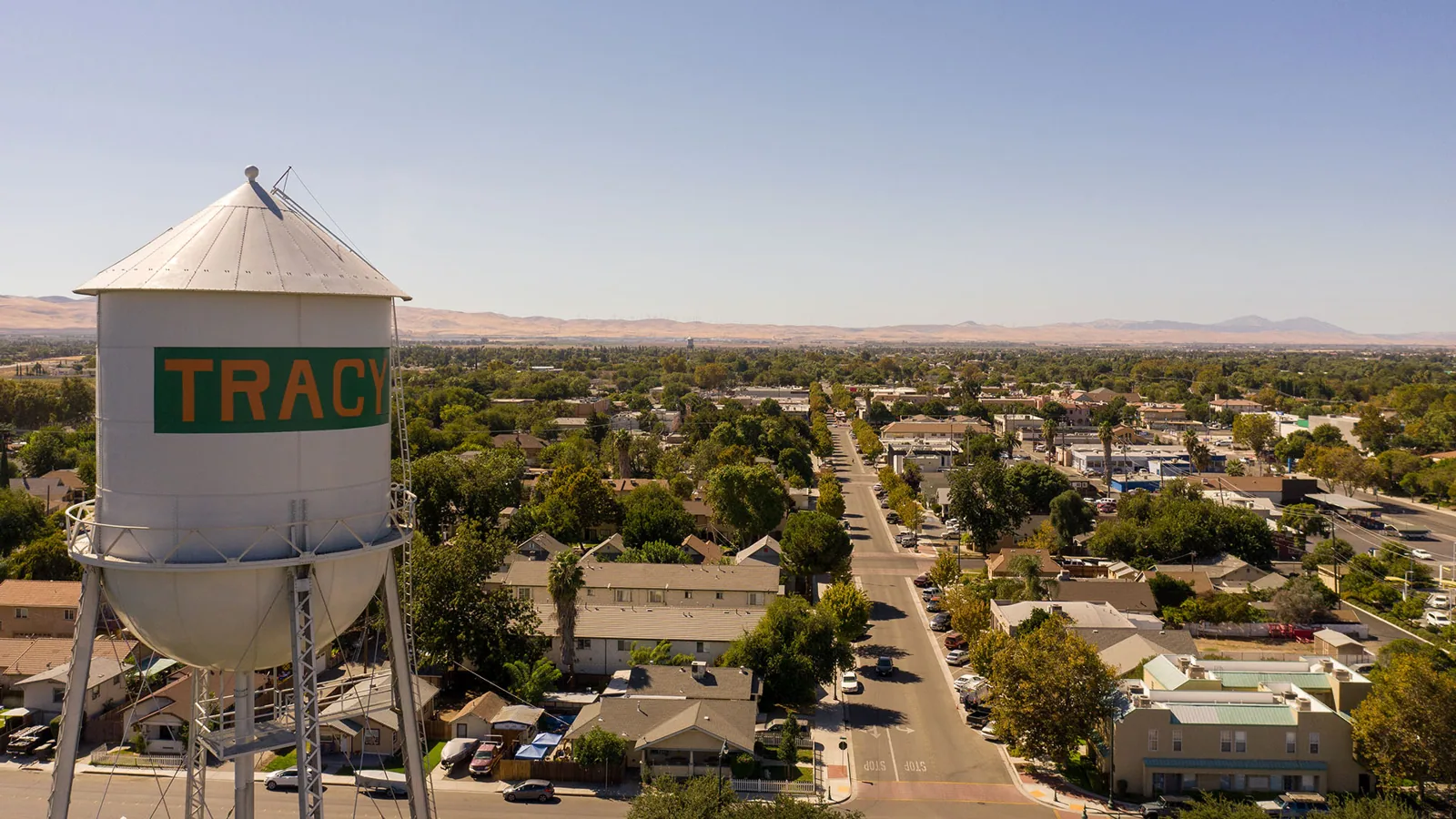
Tracy's city overview places I-5, I-205, and I-580 at a regional junction, and the land-use inventory records commercial and industrial categories across the city. A multi-property owner may coordinate work across that market, but a highway connection or category does not establish the condition of a roof. Tracy's broad service geography can frame local scheduling; the building plan and access contact still control each visit.
Use the same property ID, map revision, inspection date, assembly label, condition status, and evidence type on every report. Keep a different roof-zone plan for each building and add a separate record when an addition or low roof has its own details. The owner can filter for recurring open actions without merging test findings. If a field cannot be verified, label it unknown and name the record or access needed to resolve it rather than copying a value from a nearby site.
For a portfolio touching the Northeast Industrial PUD, the planning designation may include warehouse, manufacturing, distribution, rail-dependent, and flex-tech uses. It does not describe the roof of every property within that geography. Ask the local contact about equipment, operating windows, and roof access before choosing a sequence. A roof asset register can keep the building identifiers consistent while the PUD area record supplies broad geographic context.
Build the visit calendar from approvals, safety requirements, access windows, and the decision each inspection must support. A roof that needs an authorized opening should not be grouped with a routine visual walk unless the owner can approve both. Record the contact who can release a work zone, the person who receives findings, and any operating restriction. If one site is unavailable, preserve the gap in the schedule instead of reporting the portfolio as fully reviewed.
Tracy's I-205 plan includes commercial and light-industrial uses near Grant Line Road and I-205. That broad corridor can help a portfolio manager organize nearby addresses, but it does not establish common entry rules or roof assembly. A roof inspection should keep the route, areas reached, and limitations on that property's map. Use a separate occupied-building sequence where work windows or tenant coordination change the plan.
Use evidence-backed categories for active water entry, open seams, drainage concerns, test requests, routine maintenance, and capital review. Rank actions with the owner using consequence, condition, and operating priority, while keeping each reason visible. Avoid a single score that masks whether an item came from an interior report or a verified roof observation. If a test is pending, list the area, approval contact, and decision it could change instead of assigning a final repair boundary.
A multi-site action list can show that two buildings need similar work without claiming their quantities match. Compare measurements, removal assumptions, material tie-ins, edge details, access, and closeout separately. The condition report should show what supports an individual recommendation. For a portfolio budget, capital planning can group funding decisions by period while retaining the property-specific record behind every line.
Issue each bidder the same current plan and scope for the building under review. Identify the roof zones, measured quantities, preparation, materials, tie-in details, protection, and excluded work. List assumptions about concealed layers and require a decision point if test results change the quantity. When the owner wants one program vendor across the portfolio, use the common reporting fields but retain separate proposals, approvals, and closeout documents for each building.
Tracy's South Tracy Business Park is within the city's broader industrial planning geography and is described for small and midsize companies. Nearby business areas may create separate service contacts and operating schedules, but the city fact does not identify any specific roof system. A South Tracy area record can identify the broad planning context. The repair scope should still cite the actual zone and test evidence for the property being priced.
After work, compare the approved scope with the completed area, documented materials, photographs, test results, and remaining exclusions. Record who accepted any change and when the updated plan became current. If a crew found an unexpected layer, attach the approval and revised quantity to that site's record rather than changing the standard for every roof. The portfolio dashboard can show status, but the supporting closeout should remain available to a later facilities reviewer.
For owners with buildings in Tracy and nearby Lathrop, city economic-development materials identify Gateway Business Park among Lathrop's available industrial and business-space inventory. That fact may help organize a regional property list; it does not prove roof type or transfer one site's condition to another. Lathrop's Gateway Business Park is another broad location reference. Keep the property's map, report, and repair log attached to its own ID.
Set an owner for the records, decide how revisions are named, and state where approved reports and photographs are stored. When a building is acquired, sold, or transferred to a new manager, update the contact and preserve prior plans and repairs. A new address should receive its own initial review, even if the portfolio already contains a similar structure. Mark the date of the latest field evidence so an old record is not mistaken for a current condition assessment.
At a quarterly or annual review, reconcile open items with work orders, warranty notices, and closed proposals. Keep the next action and its responsible person visible, and remove an item from the active queue only when the closeout or decision is documented. A warranty record review can identify pending documents, while a maintenance program can revisit selected conditions. The reporting standard should help the owner find the evidence, not obscure it behind a portfolio score.
When program rules change, preserve the former version with its effective date and name the person who approved the new fields. Compare one completed report from each building before applying a revised status rule portfolio-wide. If the same word means different things to separate facility teams, add a short definition to the record standard and keep the original observation intact. That small governance step makes trend summaries more reliable without replacing field detail.
Use a common site ID, roof-zone key, inspection date, assembly evidence, condition status, access limit, and next action. Keep the map and findings specific to each address.
No. Each visit documents the zones actually reached at one property. List unvisited buildings and restricted areas separately until they have their own field record.
Compare measured areas, assembly details, removal depth, access, protection, exclusions, and closeout. Similar labels do not establish identical quantities or concealed conditions.
Use the score as an index only. Keep the condition, evidence type, consequence, and owner decision visible so the ranking can be reviewed and changed when facts change.
Transfer current maps, prior reports, warranties, repair tickets, access contacts, and open approvals. Record which plan revision is current and identify the next person responsible for each action.