Commercial Roof Repair in Tracy, CA
Commercial Roofing Services
Trace leaks, failed details, and drainage problems on Tracy commercial roofs, then set a repair boundary that matches the recorded assembly and access limits.

Trace leaks, failed details, and drainage problems on Tracy commercial roofs, then set a repair boundary that matches the recorded assembly and access limits.
A repair ticket should name the roof zone, the condition observed, and what evidence is still needed before a crew opens the assembly. A ceiling mark may sit below a seam, curb, drain, or prior patch, so the first step is to map the interior report to the roof plan. In Tracy, we record the membrane or metal system where it can be identified, check the drainage path and nearby penetrations, and photograph the proposed repair limit. If an active leak cannot be traced from a visual walk, we document the access or test needed instead of expanding the scope by guesswork.
Tracy's design criteria list a 101.2°F two-percent design dry-bulb high and wind exposure C. Those are design references, not a measurement of conditions on a specific roof or workday. They remind the team to review attachment, material instructions, and safe access before selecting a repair method. A commercial roof inspection can establish the condition record before the repair is priced or authorized.
Start below the report. Ask when water appeared, whether it followed rain or equipment work, what changed inside, and whether the mark grew after the first response. On the roof, follow the zone above that area toward seams, penetrations, curbs, wall transitions, drains, and the perimeter. A leak can travel along a deck flute or insulation interface before it becomes visible indoors. Record likely paths as hypotheses and mark what observation would confirm each one.
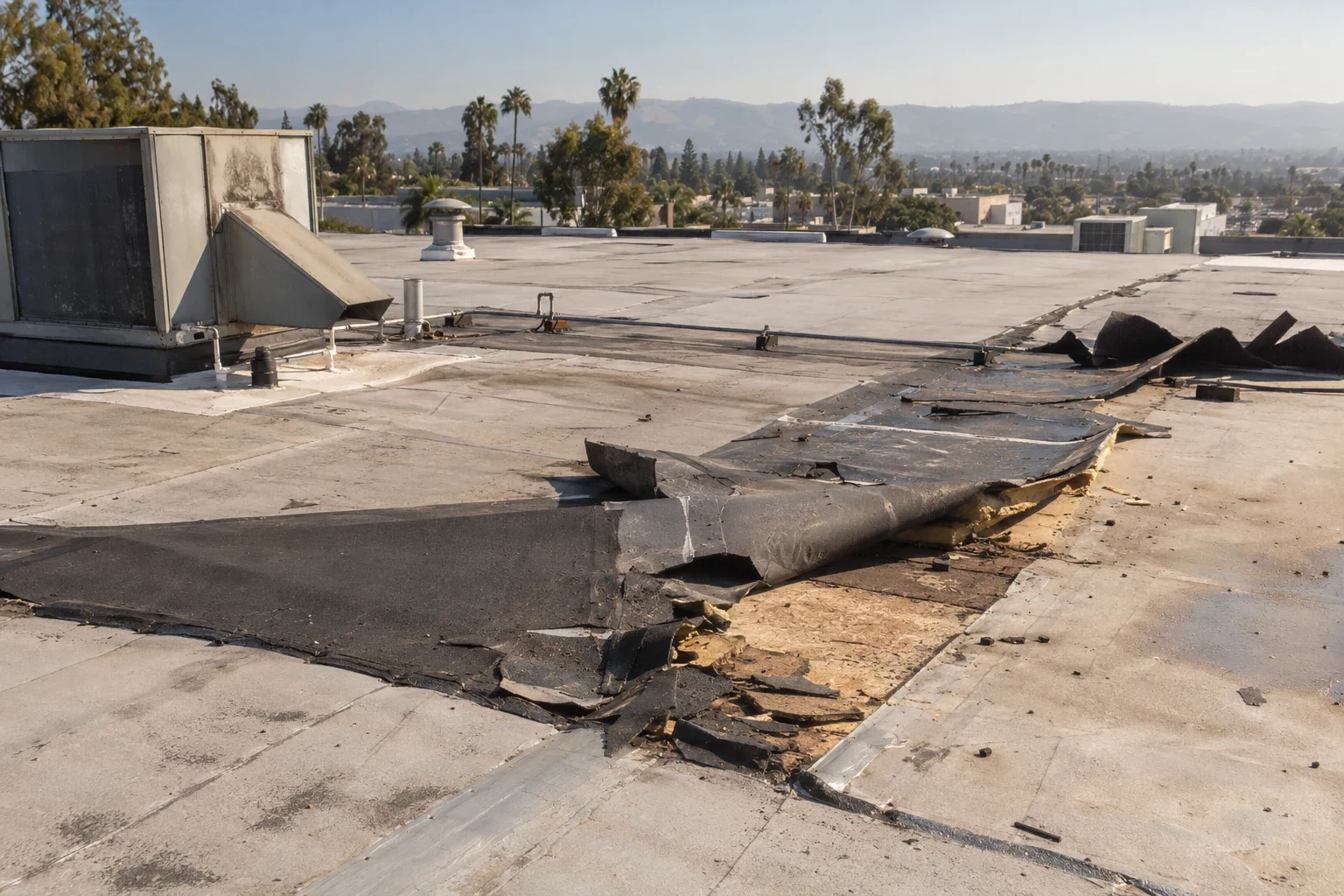
Photograph the ceiling, roof detail, and any wet material exposed by authorized testing. Record whether the surface is dry, damp, blistered, displaced, or patched. A photo rarely resolves concealed layers; a dry roof between storms does not close the question. A commercial roof leak repair should connect the reported location to the roof detail and show the evidence supporting the selected boundary.
Confirm the roof covering, visible attachment, substrate, insulation, and earlier repair layers from project records or an exposed edge when access is approved. If the membrane type or patch material is unknown, state that limit. TPO, EPDM, PVC, modified bitumen, built-up roofing, and metal details each require preparation that fits the material and seam. A repair compound that adheres to one layer may not bond to the next. Check technical instructions and use a test area when the assembly or coating history leaves compatibility uncertain.
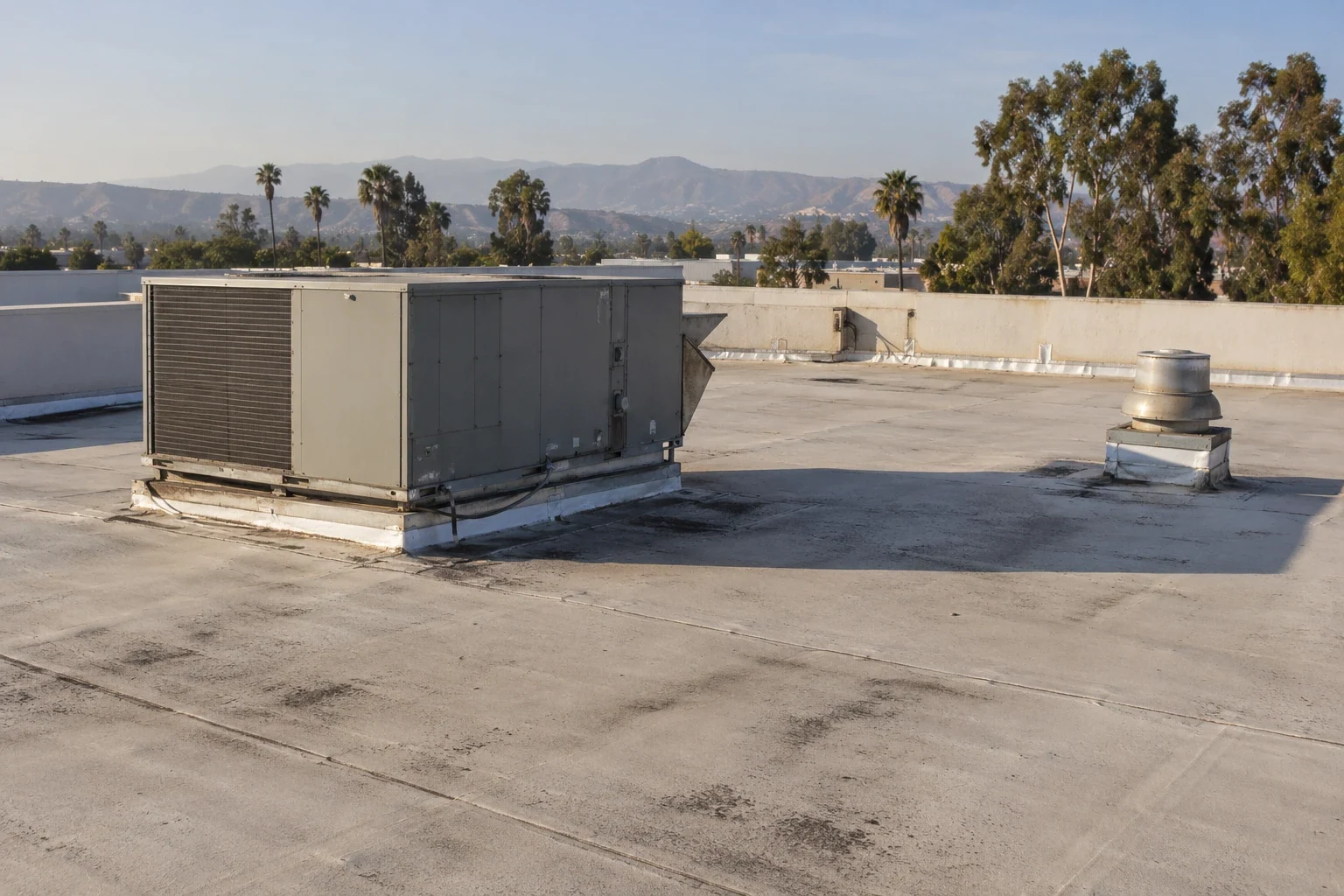
The Northeast Industrial PUD includes manufacturing, warehouse, distribution, rail-dependent, and flex-tech uses. Those uses help explain why some property teams need work sequenced around loading or equipment, but they do not identify the construction or condition of a particular roof. For an industrial building, map each roof zone and equipment curb separately. A warehouse roof assessment can help organize inspection questions without assuming every facility has the same assembly.
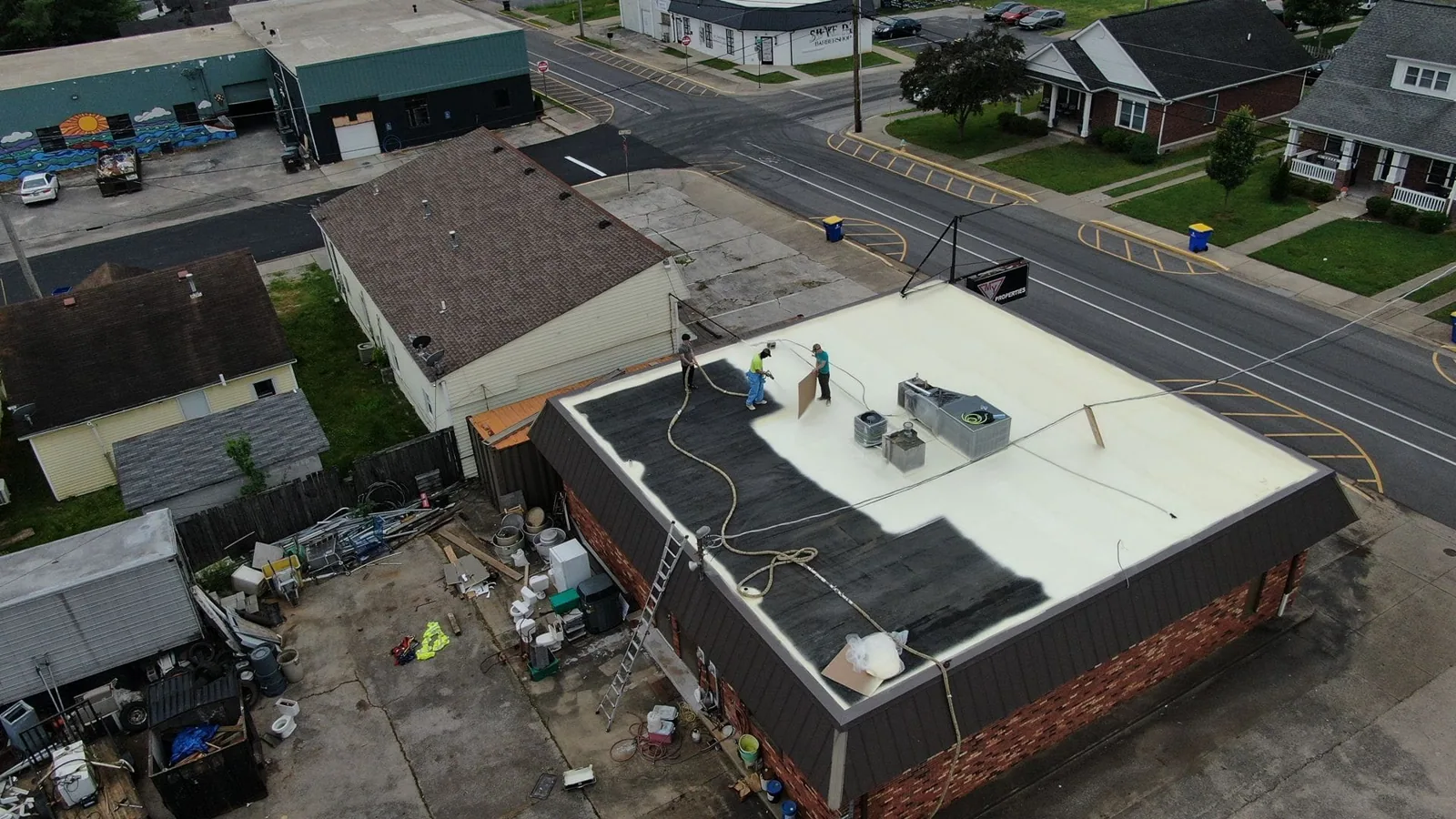
Draw the work boundary against a stable roof feature such as a seam, curb, drain, wall, or grid reference. State the material removal, substrate preparation, replacement layers, fastening or bonding method, and termination expected. Identify whether wet insulation or deteriorated deck is included, excluded, or subject to owner approval after opening. When a concealed condition could change the scope, write the decision point into the work order so the crew can stop, document the exposure, and obtain direction.
Keep the repair focused where the evidence supports a local correction. If repeated defects cross several zones, if attachment is in question, or if moisture extends beyond the proposed opening, pause for a larger review. A wind damage assessment should distinguish observed displacement from a general weather concern, then document any testing or code review that affects the scope. The owner receives a clear boundary and a record of what remains unresolved.
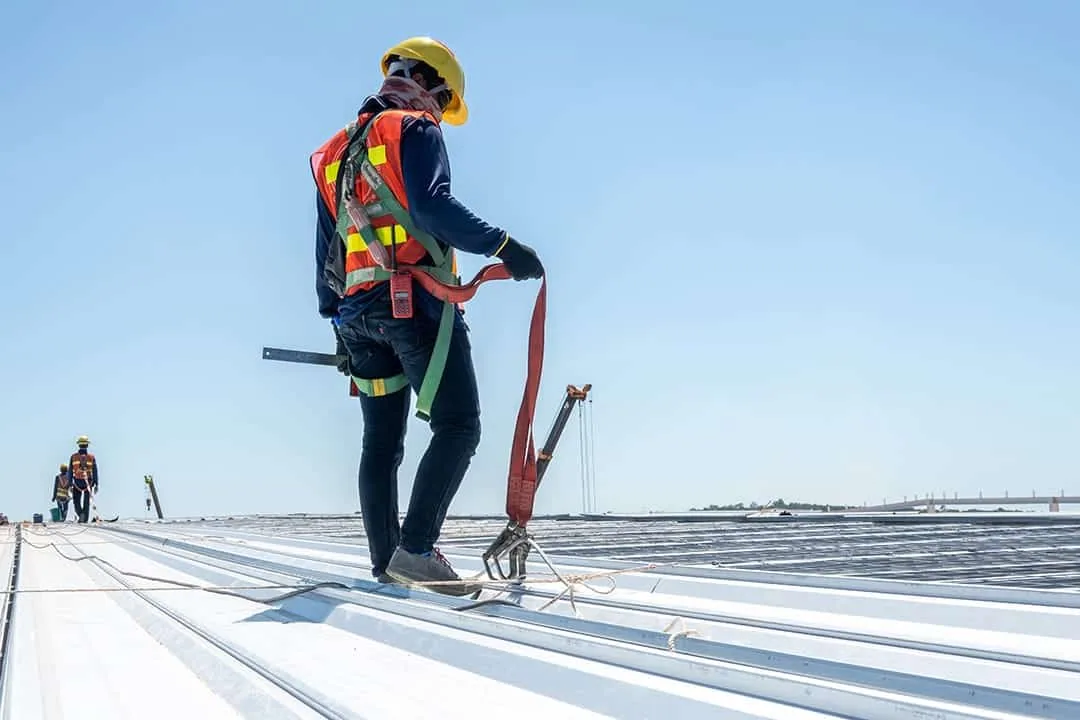
Before dispatch, confirm roof access, hatch keys, fall-protection requirements, occupied areas, shutdown windows, staging, and the person authorized to approve additional work. Keep tools and materials away from drains, roof openings, and pedestrian routes. If a tenant or production schedule restricts a roof zone, record the exclusion and plan a return visit rather than implying it was inspected. Wet or hot surfaces, wind, and lightning can change access decisions; the field lead should follow the site safety plan and current material application instructions.
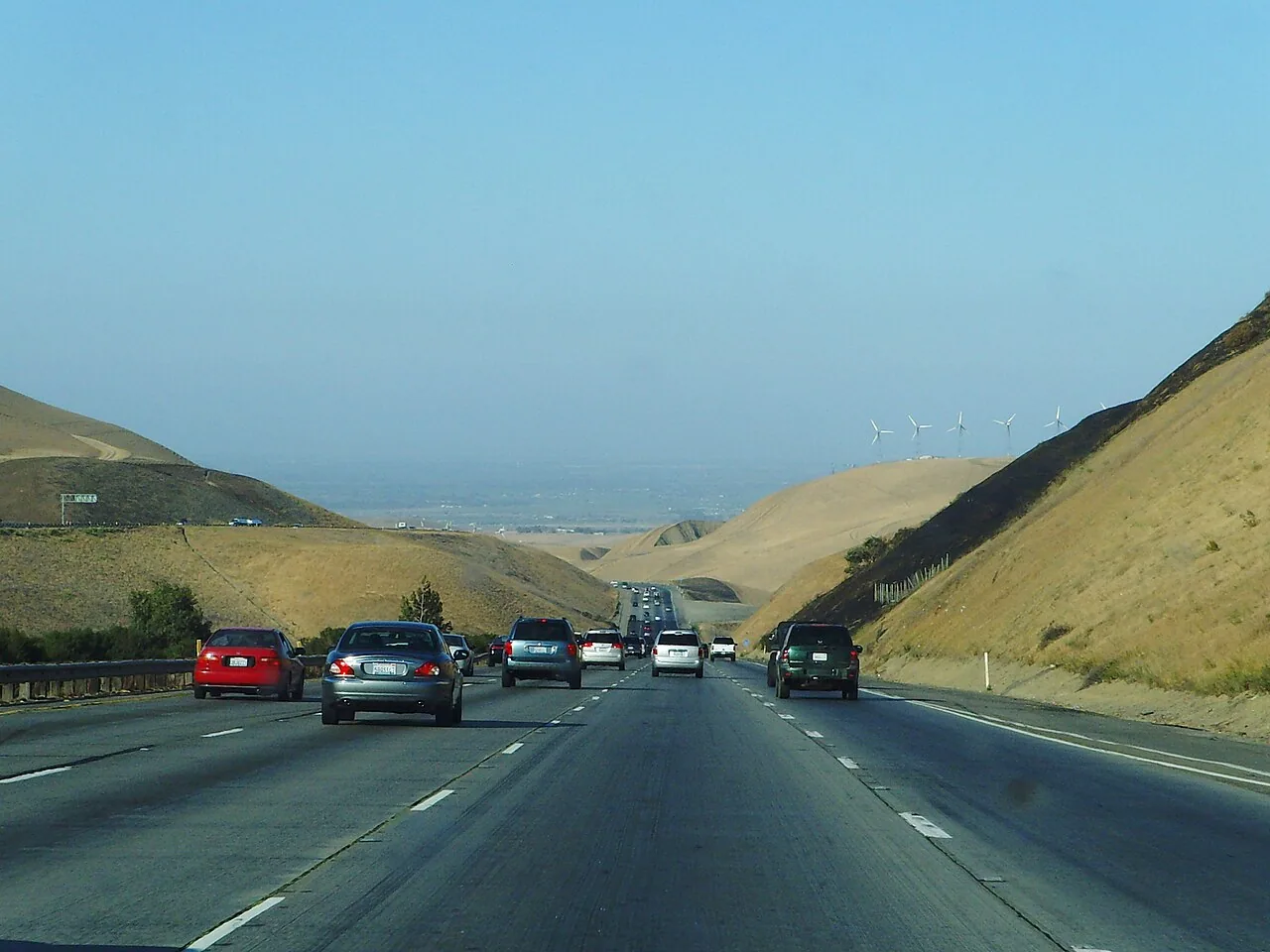
Tracy sits at the junction of Interstates 205, 580, and 5, which the city describes as a regional transportation connection. That context may help with delivery coordination, but it does not establish access at a specific building or confirm a travel window. Confirm the receiving contact, loading rules, and route with the property team. Work near the I-205 Corridor still depends on the actual site plan, not the corridor name.
Give the owner a scope that can be checked against the inspection record: the roof zone, defect, repair materials, preparation, weather limits, access assumptions, and closeout photos. Show the work that is included and identify conditions that require written approval before proceeding. If a test opening reveals wet insulation, corroded metal, or a different membrane layer, photograph the exposure and request direction before covering it. Do not treat an added repair as included when the original authorization did not define it.
When comparing proposals, align the boundary and closeout requirements before comparing labor descriptions. A written roof condition report can keep observations, photos, and follow-up questions together. If the evidence indicates movement at edges or seams, review the relevant TPO roof assembly or other confirmed system instructions rather than choosing a patch by appearance alone.
After repair, photograph the prepared area, any exposed substrate, the completed layer, and termination from a repeatable viewpoint. Note material identifiers when available, the roof-zone reference, crew access limits, and any conditions left for later work. If a drain or curb was part of the scope, show the connection to the surrounding surface. Record whether the repaired area remained within the authorized limit and identify every deviation.
Give the facilities lead a short summary of the condition, completed work, and next review. Keep the original leak date and interior report with the repair record so future staff can compare recurrence without assuming a similar stain has the same cause. If water returns, revisit the same map references, inspect the repair boundary, and check adjacent details before proposing a broader correction. That follow-up can show whether the first repair held at its limit or whether another path needs testing.
Send the roof plan, repair tickets, leak dates, interior photographs, equipment changes, and site access rules before scheduling. Flag work windows and identify who may approve a test opening or added work. We will document the roof zone, visible condition, proposed boundary, and information still needed to choose compatible materials. That gives the owner a reviewable scope before the crew mobilizes.
For urgent water entry, request emergency roof response and share the immediate safety or operations concern. For a non-urgent item, the inspection and repair record can proceed in a planned window. We handle commercial roof work in Tracy, including along the I-205 Corridor, where each site team sets receiving and staging details. Each recommendation stays tied to the observed roof condition, with unknown layers or inaccessible zones called out for follow-up.
Name the roof zone, observed defect, access limits, material identified, repair boundary, work completed, and follow-up needed. Photos should show both the condition and finished detail from a repeatable viewpoint.
Usually not. Map the interior report to the roof, trace possible water paths, and inspect nearby seams, penetrations, curbs, drains, and prior patches. Open the assembly only when authorized and when the evidence requires it.
Pause when opening the roof reveals a different assembly, wet insulation, damaged deck, or conditions beyond the marked boundary. Photograph the exposure and get written direction before expanding the work.
The city's design criteria list wind exposure C and direct designers to applicable mapped wind speeds and risk categories. A repair still needs review of the specific roof system, attachment, detail, and project requirements.