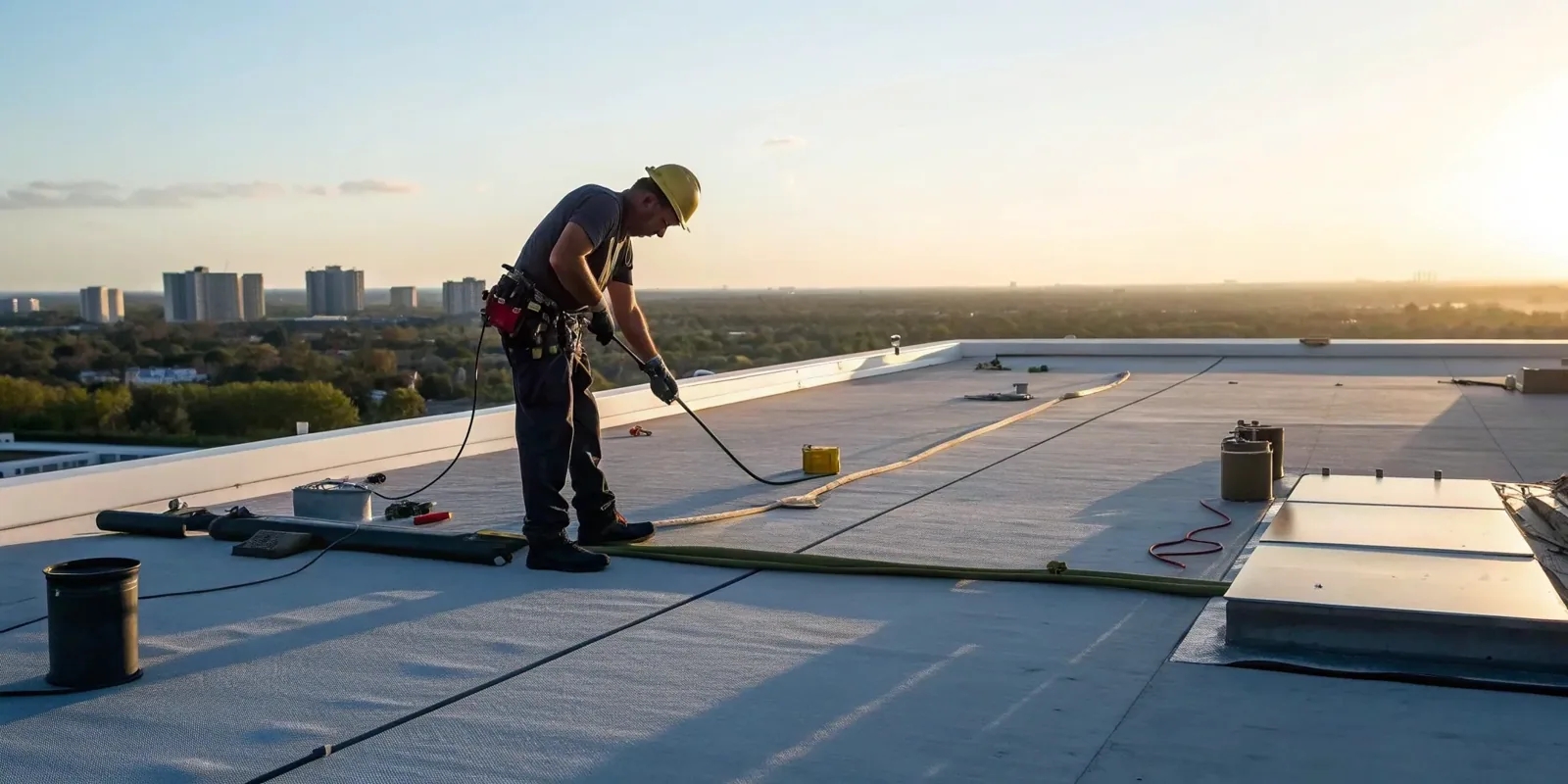
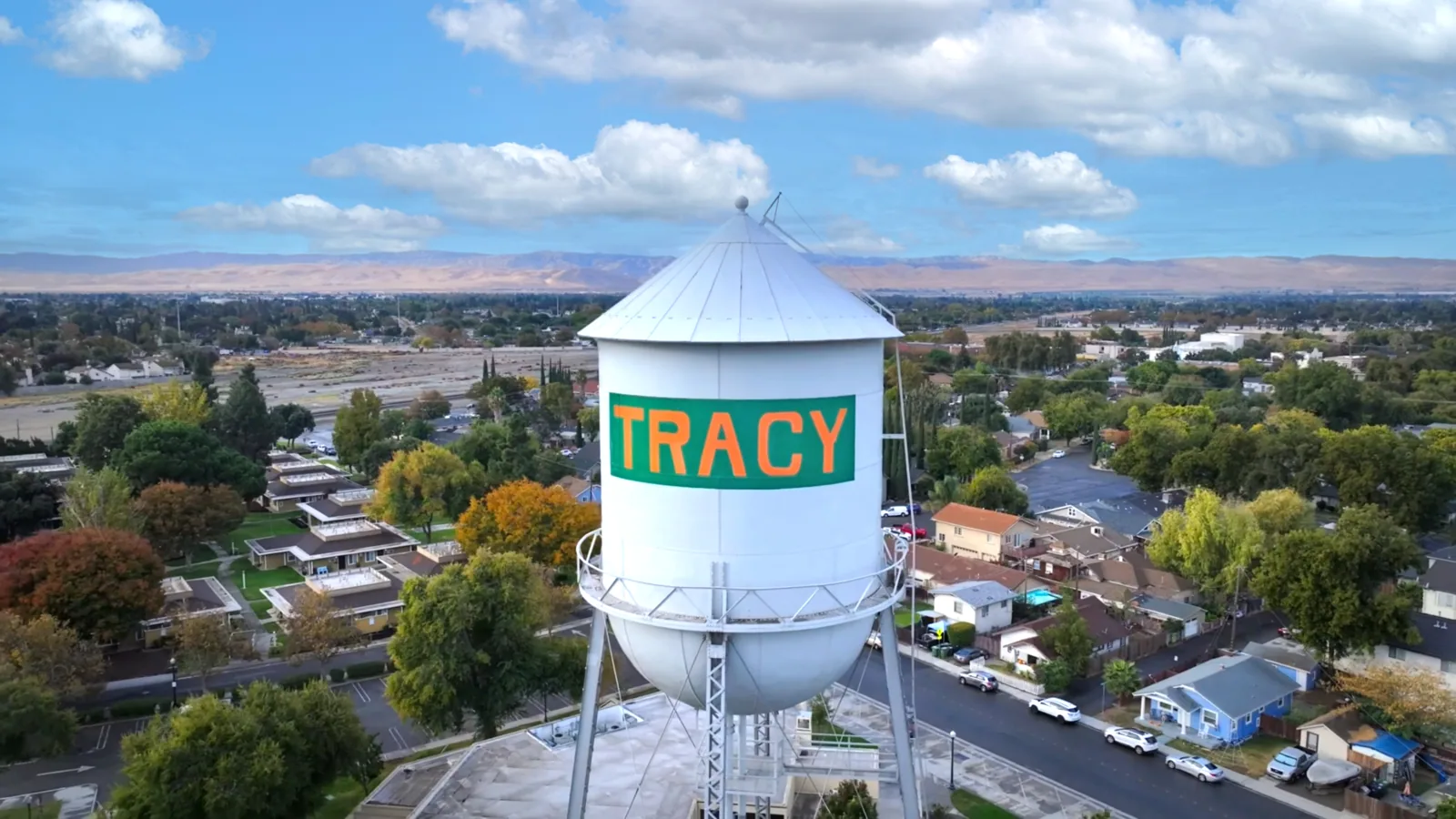
Commercial Roof Warranty Management in Tracy, CA
Roofing Capabilities
Track Tracy commercial roof warranty documents, reported conditions, maintenance records, and repair approvals against each assembly and coverage term.

Track Tracy commercial roof warranty documents, reported conditions, maintenance records, and repair approvals against each assembly and coverage term.
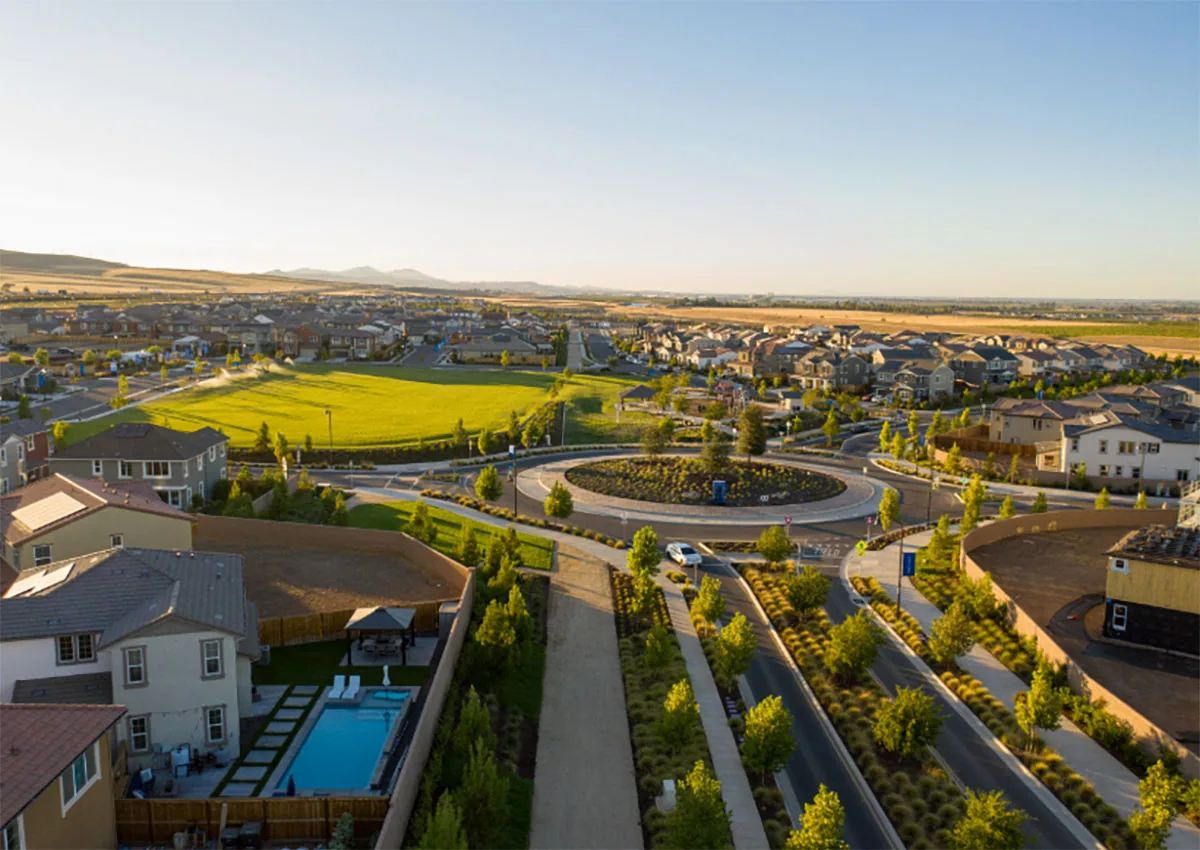
A warranty file is harder to use when the roof map, service tickets, and approval record live in separate folders. We match each document to a building and roof zone, then note its date, stated requirement, and open action. The review starts with the actual warranty language; it does not assume coverage, a term, or a manufacturer's approval from the system label alone. That gives the owner a way to organize maintenance and repair decisions around the contract that applies.
Tracy's industrial planning geography and Downtown designation cover different broad property contexts. Neither one identifies a warranty, a membrane, or the recorded condition of a specific roof; those details must come from the property file. Tracy's Industrial Areas Specific Plan covers a broad mix of employment uses; it does not identify the warranty or membrane on an individual building.
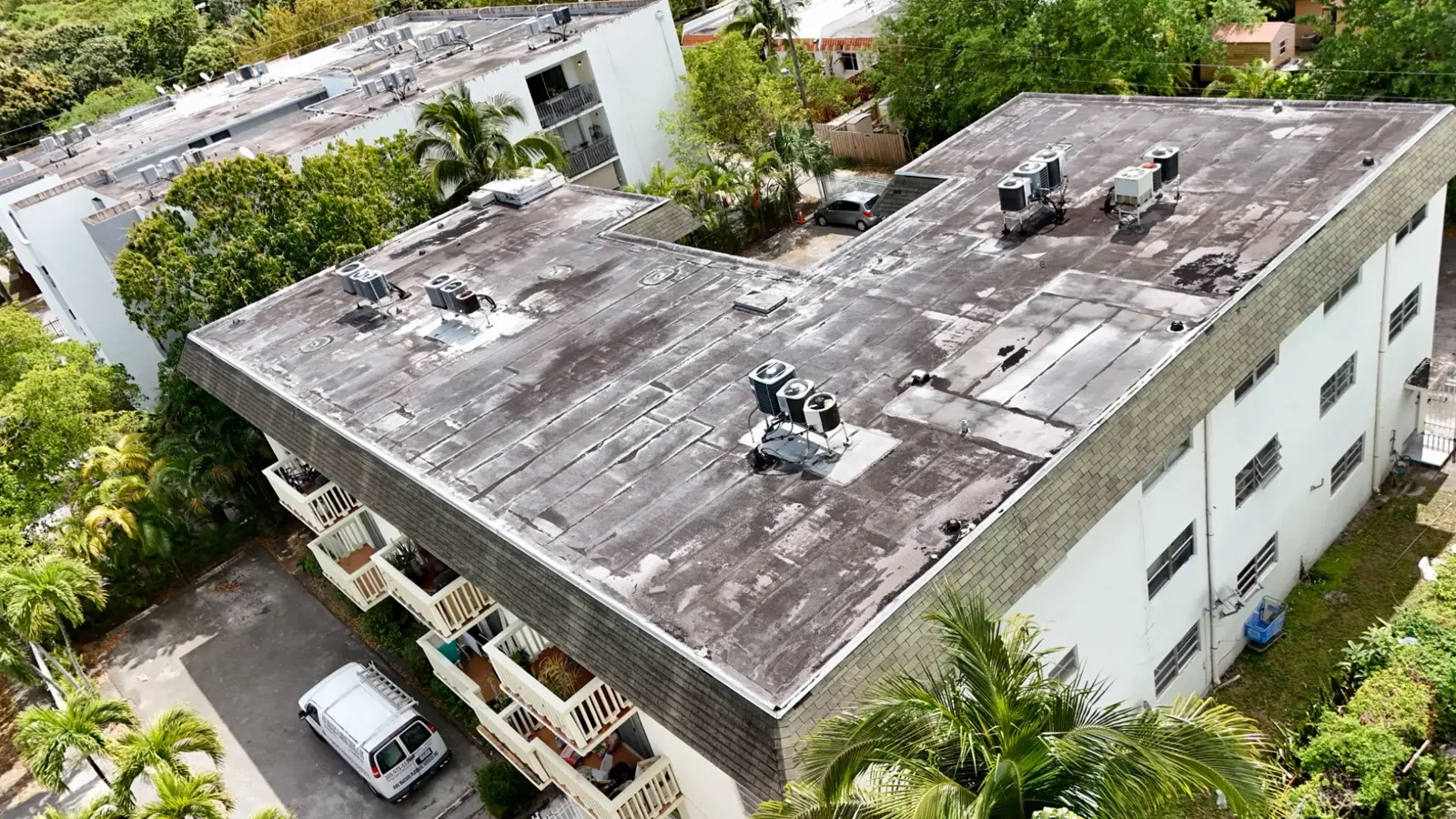
Collect the issued warranty, approved submittals, closeout package, maintenance requirements, repair approvals, and any transfer paperwork. Compare the building name and address with the document, then map the covered roof area to the current plan. Record the issuer, stated effective date, expiration language, exclusions, and contact process exactly as written. If a roof has additions or multiple systems, identify which area each document covers instead of treating the property as one assembly.
Separate a manufacturer's warranty from a contractor workmanship document, service agreement, or product invoice. A product name may help identify an assembly, but it does not establish the warranty holder, coverage, or validity. Tracy's Industrial Areas plan includes general and light industrial, office, and flex-tech designations. For any property there, confirm its actual records and roof boundaries; a roof asset register can link those files to the right property ID.
Build a checklist from the warranty document, not from a generic inspection schedule. Requirements may address maintenance, drainage, repairs, approved products, notice, or inspection records, but the governing terms vary. Copy the obligation into an internal task with its exact source section and due date, then retain the inspection or service note that shows what was done. If language is unclear, flag it for the owner or warranty contact rather than interpreting a clause as coverage.
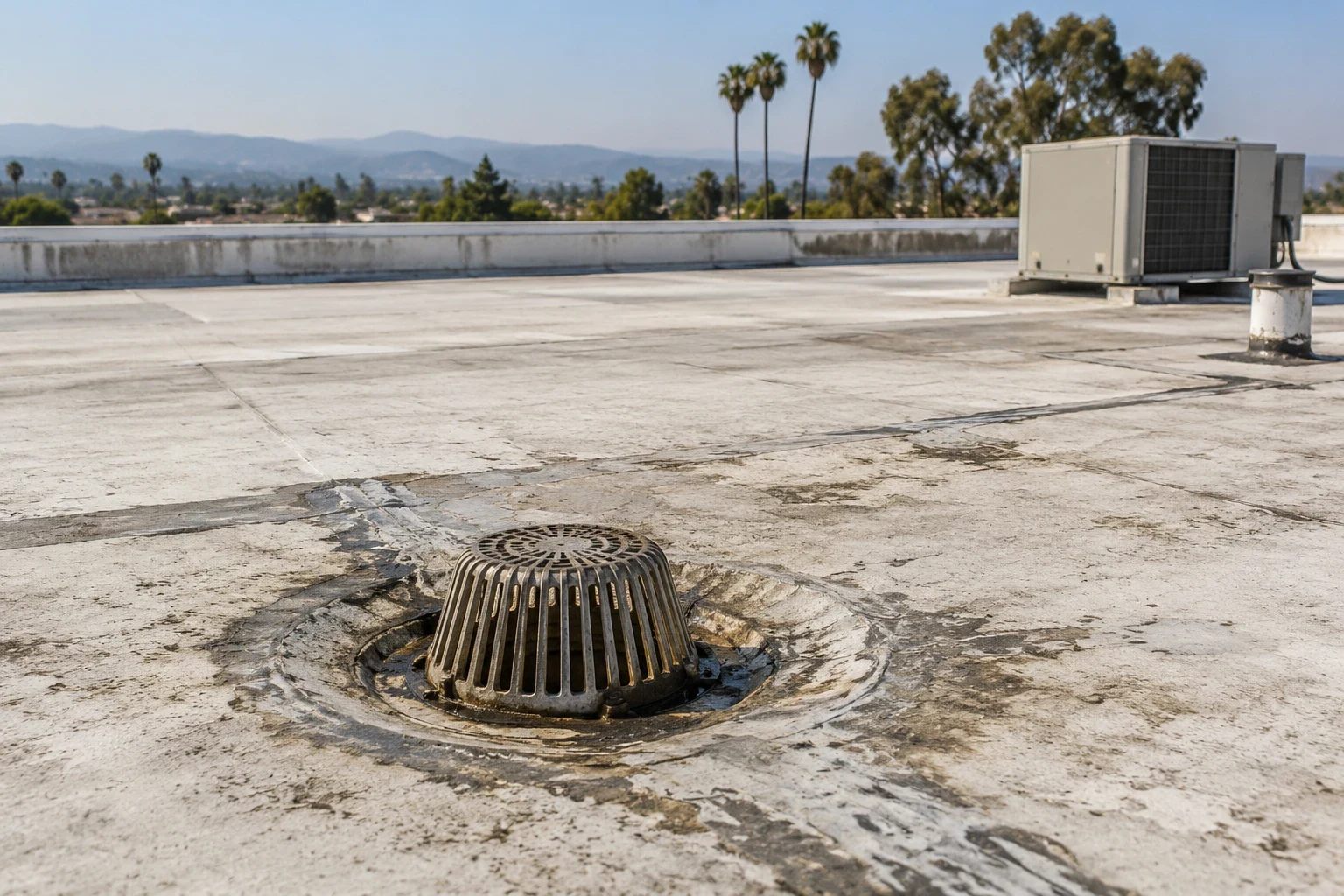
Record roof conditions in enough detail to compare them with the applicable requirement. A drain visit should identify the outlet and roof zone; a repair entry should list preparation, materials named by the approved scope, and closeout photographs. A maintenance inspection can document observed conditions, while a drain assessment can track drainage details. Neither replaces any notice or approval step stated in the actual warranty.
Before a repair, identify the proposed work area, material, attachment or seam method, tie-in detail, and likely effect on surrounding layers. Compare that scope with the document's repair and approval language. If written authorization is required, record who requested it, what was submitted, and the response before proceeding with the affected work. Keep emergency protection distinct from permanent alteration and photograph the temporary condition, its limits, and the follow-up date.
Tracy's criteria direct wind design review to applicable maps and risk category, and designate exposure C. That context may matter when a scope includes edge details, but it does not establish the existing fastening or warranty coverage. A flashing repair review can map the affected transition, and a repair proposal can state method and exclusions. Route any requested system approval through the documented warranty contact.
When a leak or defect is reported, record the date received, reported interior location, roof zone investigated, conditions visible, and any temporary protection. Keep the cause labeled as suspected until evidence connects it to the affected assembly. If an owner plans to submit a warranty notice, assemble the applicable document, repair history, photos, test results, and a concise scope description. Record the delivery and response separately from the technical inspection so the chronology is clear.
City planning materials identify Downtown Tracy separately from industrial and specific-plan employment areas. A portfolio owner may therefore keep warranty records for unlike properties in the same market, but each claim remains tied to its own building and contract. A Downtown Tracy service-area file is broad geography only. For the roof condition, retain a marked condition report with the affected zone and test limits.
Set reminders for document reviews, owner transfers, required maintenance, and open repair approvals. Before a property sale or portfolio handoff, reconcile the current roof plan with issued documents and completed work. List any area that lacks a matching warranty record, any pending response, and the contact responsible for follow-up. Do not present a reminder date as proof that a warranty is active; confirm status with the issuer when that is the decision required.
After approved work, add the signed scope, completion record, photographs, material details, and written acceptance to the property file. Identify which roof zone changed and whether the original document remains applicable to adjacent sections. A system description belongs in the file only when field records support that identification; the warranty itself controls coverage. A roof inspection can check the documented area on the next visit without replacing the contract review.
If a repair proposal names a component that does not appear in the issued documents, mark it as a proposed change and request the required review before treating it as accepted. Keep the product data, detail drawing, and response with the affected zone. That history helps the next manager see whether a later defect concerns the original assembly, an approved repair, or an area outside the documented coverage.
End each review with a short action list: document to obtain, condition to inspect, notice to send, approval to request, or repair to schedule. Assign a responsible contact and due date, then attach the evidence needed to close the item. If no response arrives, preserve that status and the follow-up attempt. A clear log helps facilities distinguish an open paperwork question from active roof damage and tells finance whether a proposed repair has an unresolved approval dependency.
Tracy's freeway connection among I-5, I-205, and I-580 can be useful context for owners coordinating buildings across the region. It does not make their roof records interchangeable. Keep each file associated with its own address, map revision, applicable warranty, and contact. A multi-site record process can standardize reporting fields while leaving each assembly's terms and open conditions separate.
No. Match the issued warranty to the property and covered area, then confirm its status with the issuer when needed. A label alone does not establish coverage or duration.
Read the applicable repair and notice terms, identify the scope and materials, and request written approval when the document requires it. Keep emergency protection separate from permanent work.
No. Build tasks from the actual document and retain records showing completion. Requirements and exclusions vary, so use the issued terms for that property.
Record the received date, reported interior area, inspected roof zone, photographs, tests, repair history, and temporary actions. Keep suspected cause separate from a confirmed finding.
Reconcile the building plan, covered areas, owner contact, issued documents, completed repairs, and pending approvals. Confirm any transfer requirement with the warranty issuer.