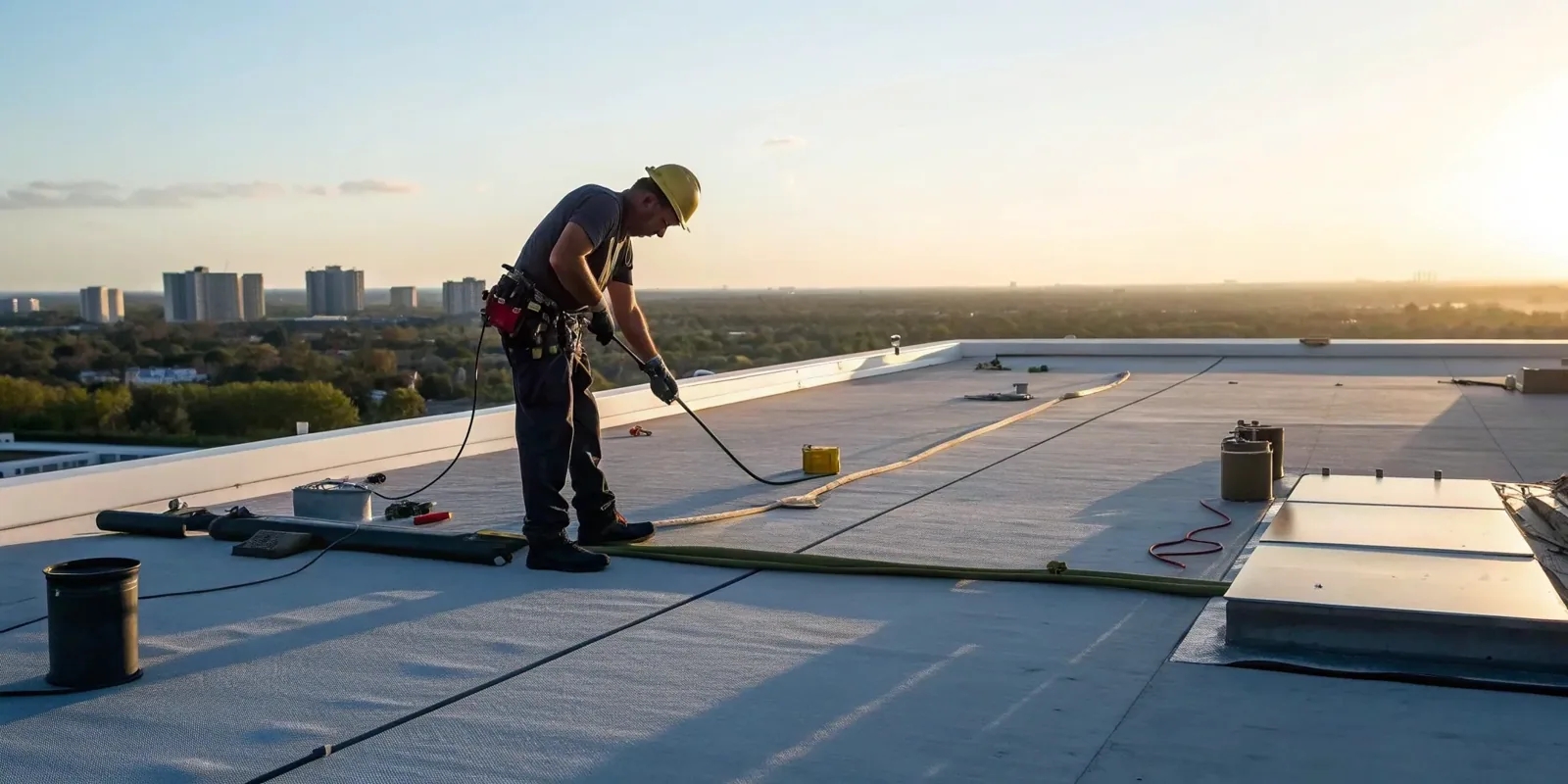
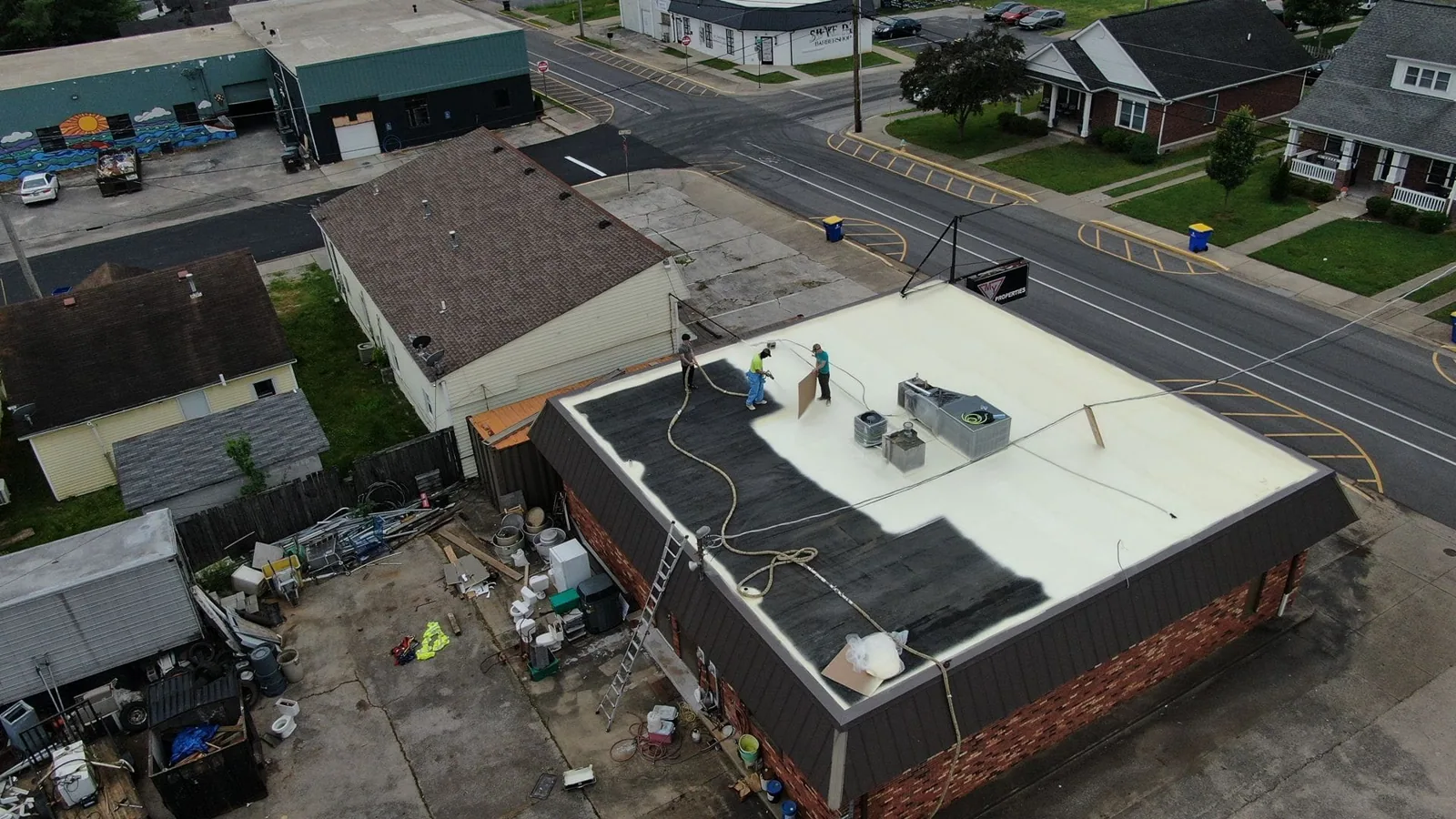
Commercial Storm Damage Roof Repair in Tracy, CA
Commercial Roofing Services
Document commercial roof damage in Tracy after severe weather. We inspect roof zones, stabilize active leaks, and define repair limits before permanent work.

Document commercial roof damage in Tracy after severe weather. We inspect roof zones, stabilize active leaks, and define repair limits before permanent work.
A lifted edge, puncture, displaced cap, or interior leak after severe weather needs a dated roof record before the repair scope is set. Mark the reported location, inspect nearby seams and transitions, and record whether the damage is visible or concealed. We separate immediate protection from permanent restoration so an owner can see what is safe to authorize now and what needs more evidence. A stain or loose panel alone does not identify when the condition began or prove what caused it.
City planning separates Downtown from the commercial uses near Grant Line Road and I-205. That distinction helps orient access and property records, but it says nothing about damage at a particular roof or a specific weather event. For a property in Downtown Tracy or the I-205 Corridor, we confirm the building contact, roof plan, and access limits before opening an assembly. A commercial roof inspection documents conditions by zone; an emergency repair visit records temporary stabilization separately from the follow-up scope.
Ask where water or debris appeared, when it was first reported, what changed, and which response steps have already been taken. Record who supplied each detail and keep the report separate from field observations. On the roof, photograph the affected zone, perimeter, penetrations, drains, seams, and any prior patch. Use the same plan reference on interior photos and repair tickets, so the owner can compare the report with the roof surface without assuming the nearest opening is the source.
Look for displaced edge metal, pulled fasteners, open laps, membrane cuts, impact marks, damaged flashing, debris, and blocked drainage. Note whether a condition crosses several zones or appears isolated. A localized roof repair may fit a confirmed boundary; broader membrane displacement or repeated water entry can require additional investigation. Mark areas that are unsafe, inaccessible, or concealed. If a test opening is useful, specify its location, purpose, temporary protection, and required approval before cutting.
When the reported date is uncertain, label it as owner-provided and list the weather records still needed. A field inspection can describe impact marks, displaced materials, and moisture indicators, but those observations do not date a defect by themselves. Keep photographs and readings attached to the roof zone they cover, then state which additional review would distinguish a recent opening from prior wear or an earlier repair.
When water is active, first protect people, interior equipment, and the path to the roof. Confirm who can approve entry, temporary materials, equipment shutdowns, and work after normal hours. Mark the opening and the temporary repair boundary. Record the material used, the roof zone covered, the time applied, and any remaining exposure. A temporary patch limits immediate entry only where it is placed; it does not prove the hidden assembly is dry or establish the final repair quantity.
Set a stop point before adding material over loose flashing, damaged insulation, or an unstable support. If another trade controls electrical equipment or rooftop machinery, record the contact and release needed before work starts. Keep a weather check and closeout decision in the shift log. When the owner authorizes a test opening, photograph the assembly layers and restore the opening with an approved detail before leaving. A leak repair assessment can then connect the protected area to a permanent repair boundary.
For a limited puncture or displaced flashing, a localized repair may restore the transition if surrounding membrane and substrate are suitable. If seams, edge details, or multiple penetrations are involved, show the additional roof zone and tie-in in the proposal. Separate confirmed quantities from allowances for concealed conditions. State how the repair will meet the existing assembly, what must be removed, how the opening will be protected, and which inspection point occurs before cover.
Where the roof has multiple layers or repeated repairs, evaluate a recover only after checking attachment, moisture, drainage, curb heights, and the intended assembly. A coating can be considered only when the substrate and product requirements support it. Do not use either option to cover an unresolved water path. Include the drain and scupper review when debris or changed flow is visible, and document whether any outlet remains obstructed after cleanup.
The project file should make the choice legible: repair area, tie-in length, materials, equipment coordination, temporary protection, test results, and unverified areas. If evidence supports more than one path, compare them against service life expectations only where documented, access needs, disruption, and the scope the owner authorized. Do not promise claim acceptance, a warranty term, or a leak-free result beyond the written contract.
Before starting permanent work, confirm the approved detail, material compatibility, substrate acceptance, and person who may release each hold point. Remove damaged material to the agreed boundary and photograph what appears underneath. If the deck, insulation, or attachment differs from the estimate, pause at the approved limit and submit the finding for direction. A Diligence Notes may describe the condition; it does not itself authorize a quantity or design change.
Install the repair to the selected system detail, including corners, laps, terminations, and transitions to existing membrane. Keep fastener or adhesive records where the contract or manufacturer requires them. Protect drains and air intakes from debris. Record application conditions and any weather-related stop that changes the safe work window. Before concealment, photograph the substrate, attachment, flashing, and finish from a location that can be matched to the plan.
Where the repair needs a permit or design review, list the submittal and inspection steps confirmed by the owner and building official. Separate those approvals from insurer correspondence. A permit release authorizes regulated work; it does not decide what the policy covers. Keep each record dated and cross-reference the affected roof zone so later reviewers can follow the sequence.
At closeout, provide the marked roof plan, before-and-after images, repair description, materials used, approvals, inspection notes, and any area that could not be reached. Identify what was stabilized, permanently repaired, or left for testing. Connect each image to a zone and date. If the owner needs to submit claim documentation, supply roofing observations and repair records in a form the owner can review with its insurer; do not state a coverage conclusion on the contractor's behalf.
For a roof where severe weather exposes recurring seam or edge movement, schedule a follow-up check of those same locations after the owner has authorized it. A roof condition report can carry the baseline and repair limits forward. We can also revisit prior work through a maintenance inspection, while the owner retains the date, access, and decision record for the property. The next inspection should compare the actual roof condition with the prior log, not treat an old storm note as proof of a new defect.
No. The stain gives a reported interior location. We inspect the roof zones and transitions, document evidence, and separate the likely path from a confirmed cause.
We map the observed damage, access limits, and repair boundary, then identify any test, owner decision, or trade release needed before the assembly is opened.
A temporary measure protects the area it covers. The record should show its limit and the follow-up inspection or permanent work that remains.
We document observed roof conditions and provide the repair proposal. The carrier reviews the submitted loss under the policy terms.
We photograph what is exposed, pause at the approved boundary, and submit added conditions for written direction before expanding the work.