Commercial Cool Roof Installation in Tracy, CA
Commercial Roofing Services
Assess a Tracy cool-roof project by existing assembly, roof condition, reflectance requirements, drainage, compatibility, and documented performance limits.

Assess a Tracy cool-roof project by existing assembly, roof condition, reflectance requirements, drainage, compatibility, and documented performance limits.

A cool-roof decision starts with the building and the existing assembly, not a color sample. Reflective surfaces can change solar absorption, but the project still has to meet the roof system's installation requirements, drainage details, service needs, and any applicable energy or code criteria. In Tracy, we review the roof plan, membrane age, repairs, insulation records, and maintenance history before recommending a coating, membrane, or replacement scope. Give the owner an explicit scope boundary: the proposed surface change, any underlying fault left outside that work, and the checks due at completion.
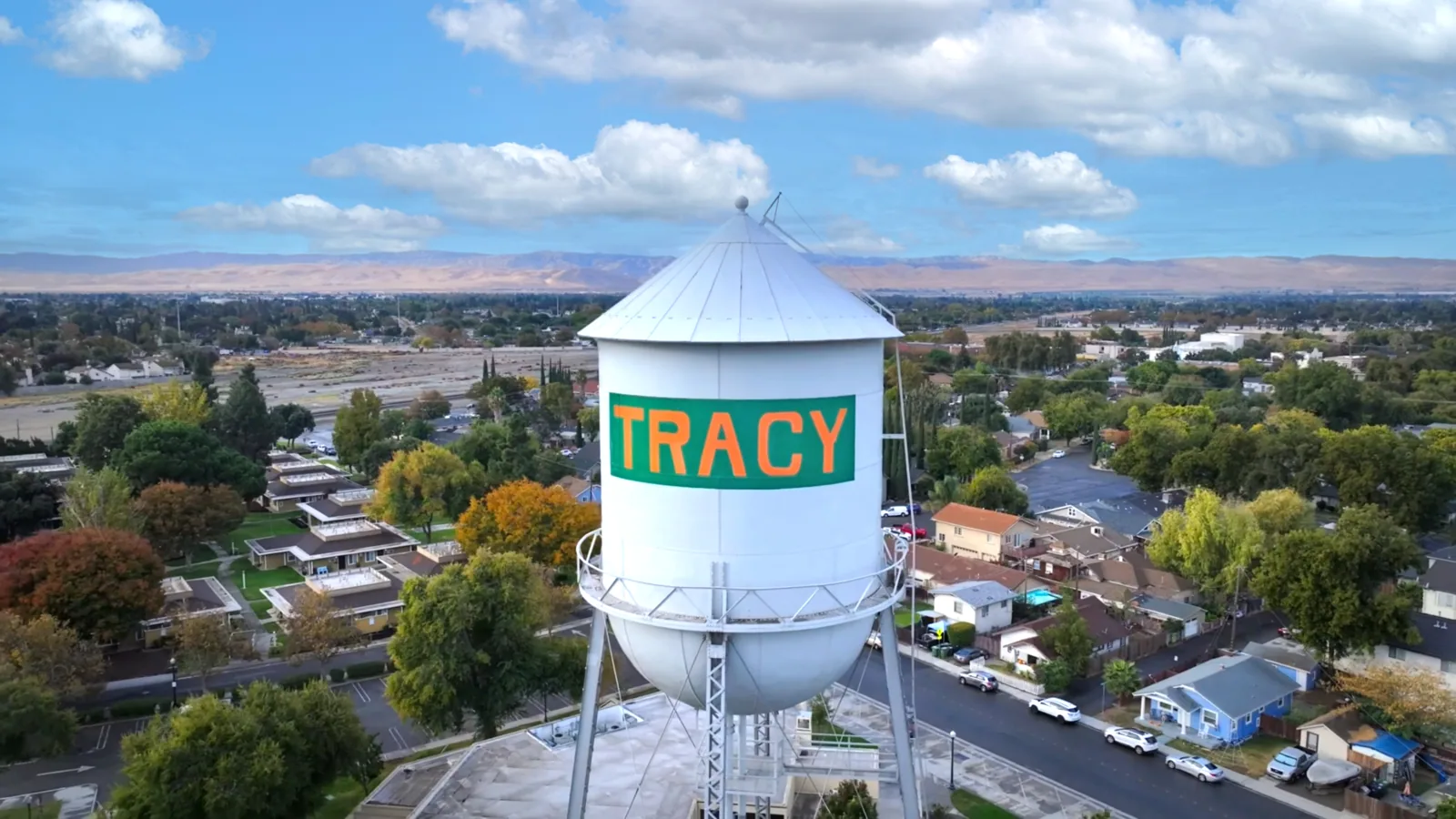
The City's General Plan identifies Downtown as a distinct land-use designation, separate from other planning areas. That context is not evidence of a particular building's energy use. A project near Downtown Tracy still needs property-specific roof records and a defined performance goal.
Clarify whether the owner wants to reduce solar heat gain, renew a serviceable surface, coordinate a reroof with energy requirements, or compare alternatives during capital planning. Each objective calls for different evidence. A coating may be appropriate on a compatible, sound substrate, while a roof with wet insulation, failed seams, or damaged deck may need repair or replacement before a reflective finish is considered. Do not present a cool-roof choice as a remedy for a leak without tracing and repairing the entry path.
Collect energy bills only when the owner wants a documented comparison and can provide comparable operating data. Note occupancy hours, process loads, HVAC schedule, setpoints, and equipment changes that could affect use. Avoid promising a percentage reduction from a roof surface alone. The decision record should distinguish modeled estimates, product test data, and measured building performance.
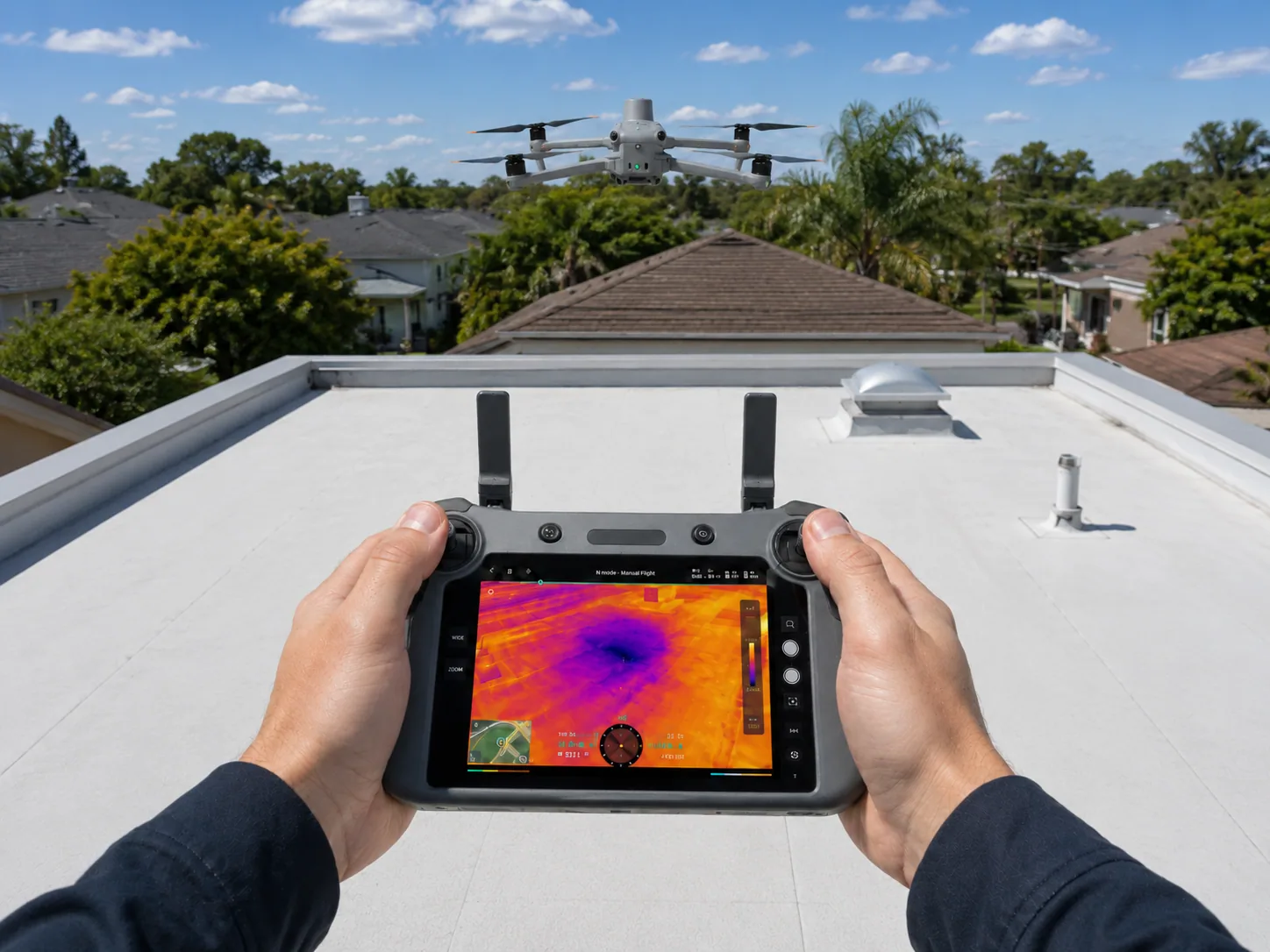
Inspect membrane condition, seams, terminations, penetrations, drains, prior patches, ponding observations, and exposed substrate. Check whether cleaning, primer, reinforcement, or removal is specified by the manufacturer. Map areas that need repair and verify moisture concerns before they are covered. A condition inspection should identify accessible and inaccessible zones; a suspected anomaly may call for a separate moisture survey and field verification.
For a roof near the I-205 Corridor, identify how truck access, rooftop equipment, and occupied work areas affect inspection and application sequencing. The corridor plan describes a broad planning area, not the conditions on a particular parcel. Verify the building's actual drawings, membrane chemistry, prior repairs, and service records before specifying a coating or adhesive.
Review current product data for initial and aged solar reflectance, thermal emittance, tested assembly, approved application rate, and maintenance instructions. A listed product property does not establish how much energy a building will save. Surface dirt, weathering, shading, roof orientation, insulation, and mechanical systems affect actual conditions. Identify which metric the owner cares about and whether that metric is verified by a product listing, design calculation, or operating measurement.
Tracy's published criteria include Climate Zone 12 and a documented summer design temperature. Use those criteria as climate context only; confirm current code requirements and project criteria with the design professional. A reflective finish cannot compensate for inadequate insulation, air leakage, mechanical inefficiency, or a roof assembly that fails its weathering function. Keep energy and water-protection scopes coordinated but separately evaluated.
Compare the proposed surface with the owner's cleaning plan. A high initial reflectance value is only one part of selection if the roof collects process residue, dust, or foot traffic. Ask how the finish is inspected, which cleaning method is allowed, and how abrasion or recoating affects the membrane. Review aged data and test conditions alongside the system warranty. If products are being compared, put the same metrics and assumptions in one schedule so the owner does not compare an initial rating for one option with a weathered value for another.
Where an energy model is used, keep input assumptions with the result: insulation, roof area, shading, HVAC efficiency, operating hours, utility rate, and indoor setpoint. Have the owner or energy professional review them. A field measurement after installation can support a later comparison, but it must use a documented baseline and account for equipment or occupancy changes. The contractor can provide installation records without claiming that those records prove lower energy use.
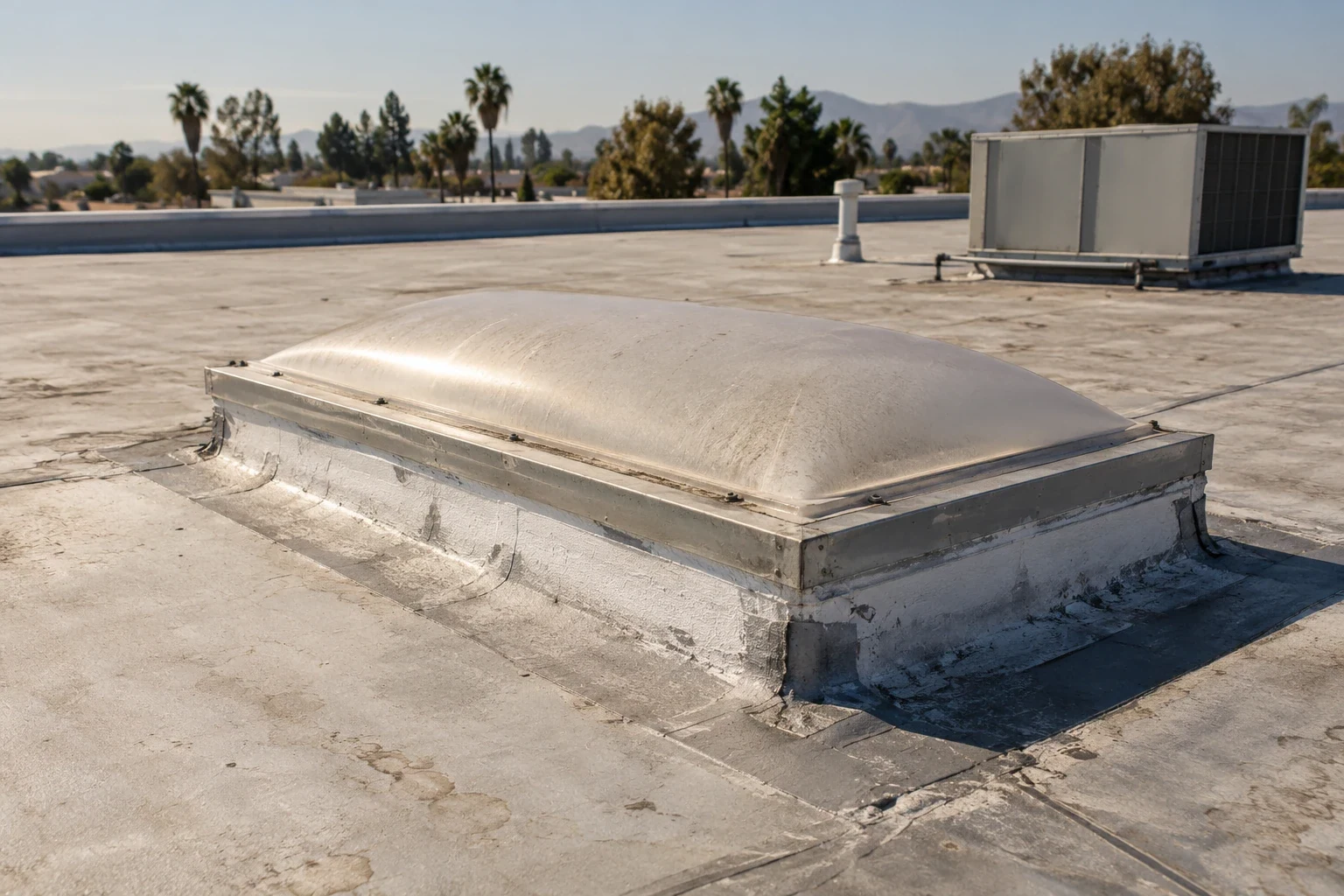
Reflective surfacing can alter appearance and may require particular detailing at seams, drains, metal, skylights, and equipment supports. Show transitions on the roof plan and state which components are included. A coating should not block a drain, hide an active defect, or bridge a joint beyond the approved detail. Protect rooftop units, labels, walk paths, and adjacent surfaces during application. If the system changes roof thickness or drainage geometry, revise the detail rather than depend on field improvisation.
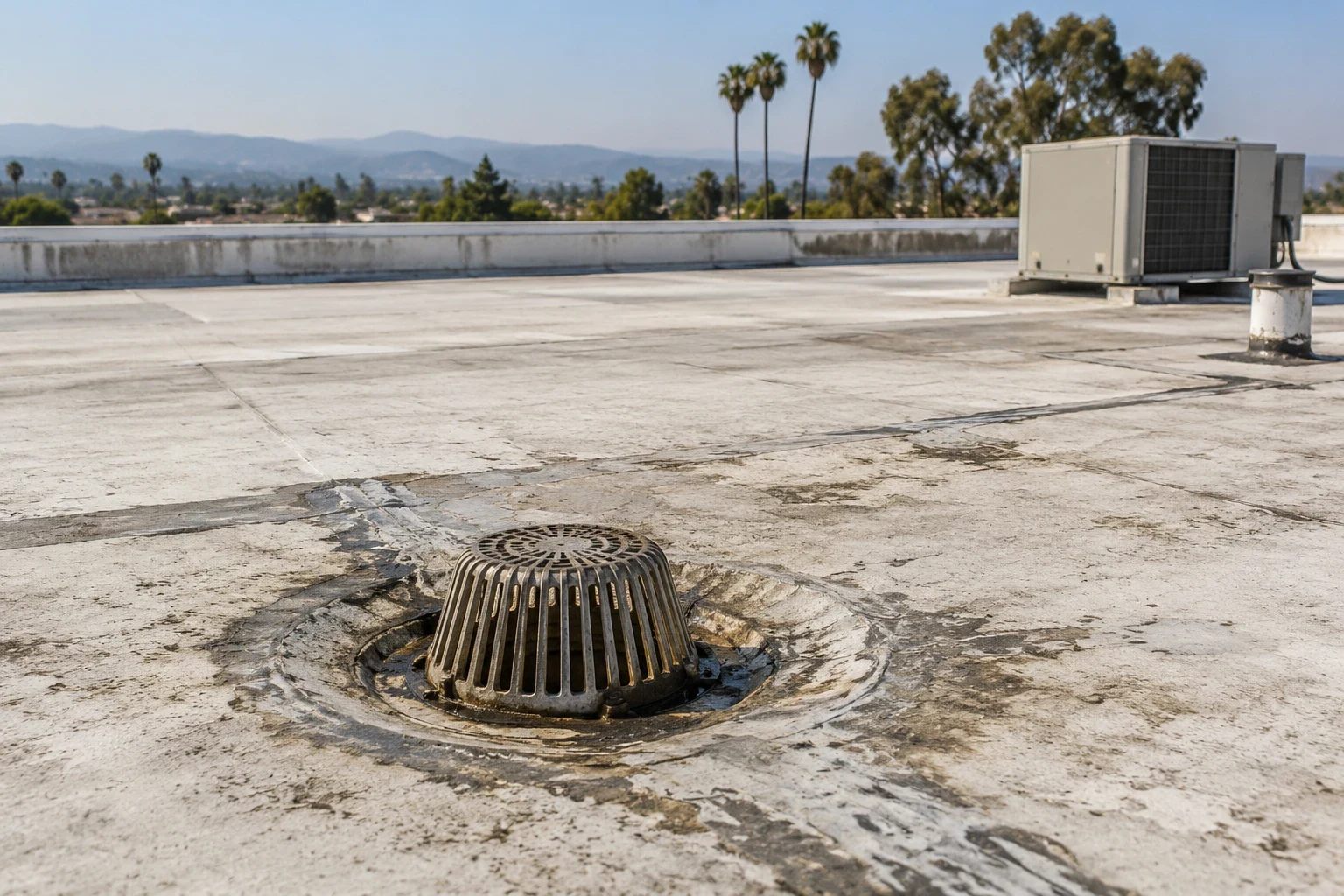
Document the full path to each outlet and the finish condition around strainers and scuppers. A drain review can locate existing issues. At penetrations, use the specified flashing detail and retain access for future maintenance. Where an overlay is proposed, compare the existing assembly with a recover review before material selection.
Specify surface preparation, repairs, primer, reinforcement, application rate, cure limits, weather window, and inspection hold points from the approved product instructions. State how the team will document coverage and how missed or damaged areas will be corrected. Keep pedestrians and equipment out of uncured material and protect drains against application debris. Record environmental conditions and batch or lot information when project requirements call for it.
Do not substitute product or thickness without written review. The owner should know whether the scope includes a warranty, what it covers, required maintenance, exclusions, and the process for reporting a concern. A warranty review can clarify records and notice obligations. At closeout, record field criteria such as coverage, application rate, cure, protected drains, completed repairs, and dated photographs; surface appearance alone cannot establish acceptance.
Provide before-and-after images, repair locations, product data, preparation notes, application records, and any inspection or test results. Record areas not coated and explain why they were excluded. Establish a maintenance check for drainage, surface damage, and transitions. A later energy comparison should use a stated baseline and account for operating changes instead of attributing every utility difference to the roof.
Tracy's I-205 Corridor Specific Plan covers commercial and light-industrial land near Grant Line Road and I-205. That planning fact helps describe geography, not energy performance. Keep the condition record tied to the real asset. If the roof has repeated failures, a replacement evaluation may be more useful than another surface renewal. Record the owner decision and any unresolved investigation so the next review has a clear starting point.
Reflectivity can affect solar heat absorption, but savings depend on insulation, HVAC, occupancy, weather, and operating changes. Use building-specific analysis and avoid presenting product data as an energy outcome.
A coating should not cover an unresolved leak path or wet assembly. Inspect, verify moisture concerns, and repair the underlying condition before selecting a compatible surface system.
Review tested system data, initial and aged reflectance, emittance, approved substrates, application instructions, durability, warranty terms, and the project objective.
The city criteria are climate and design references. Confirm current code requirements and the specific project criteria with the responsible design professional.
Follow the selected system instructions and maintain drains, transitions, penetrations, and traffic areas. Keep inspection photos and record repairs or areas where finish has changed.