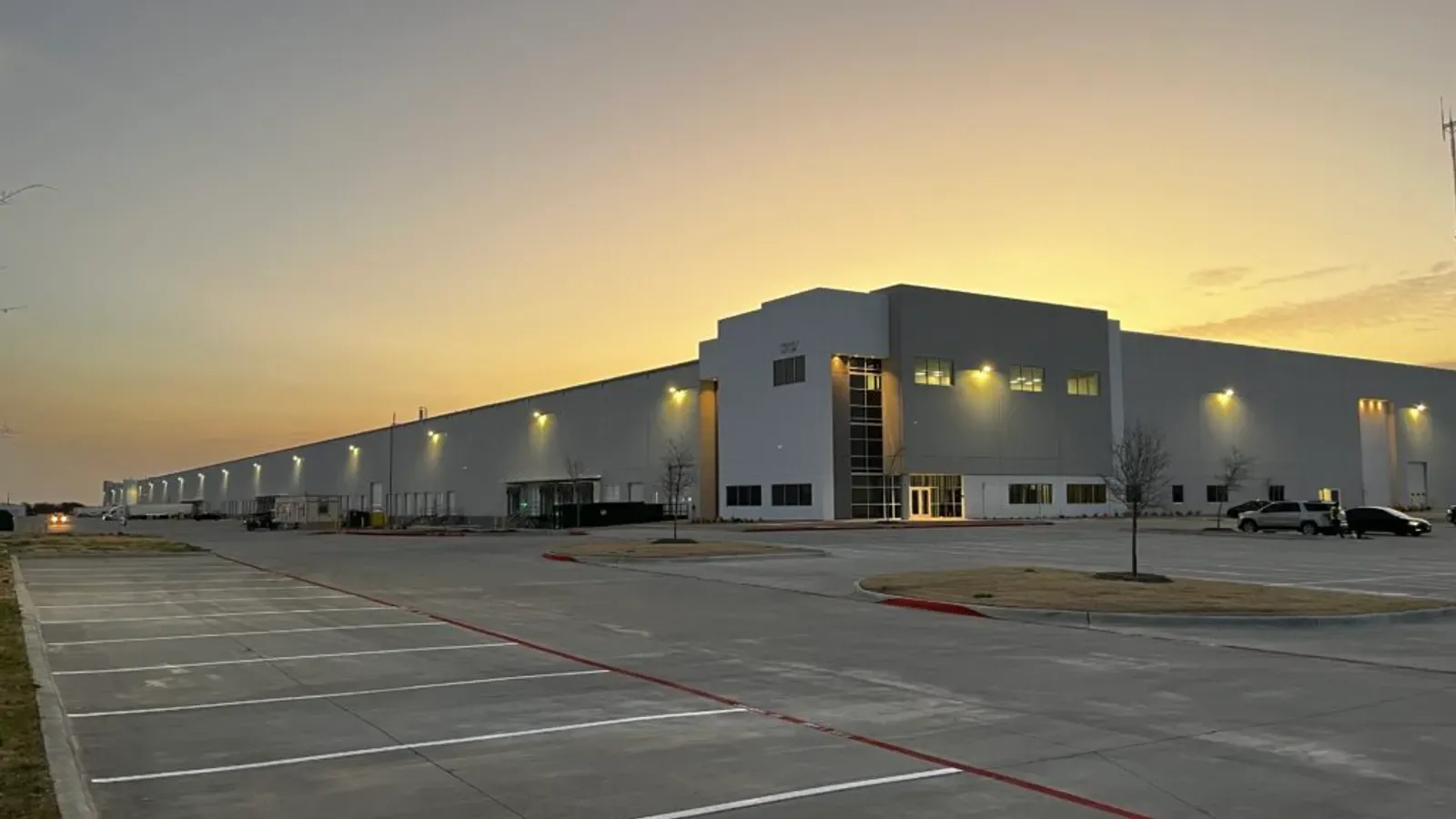
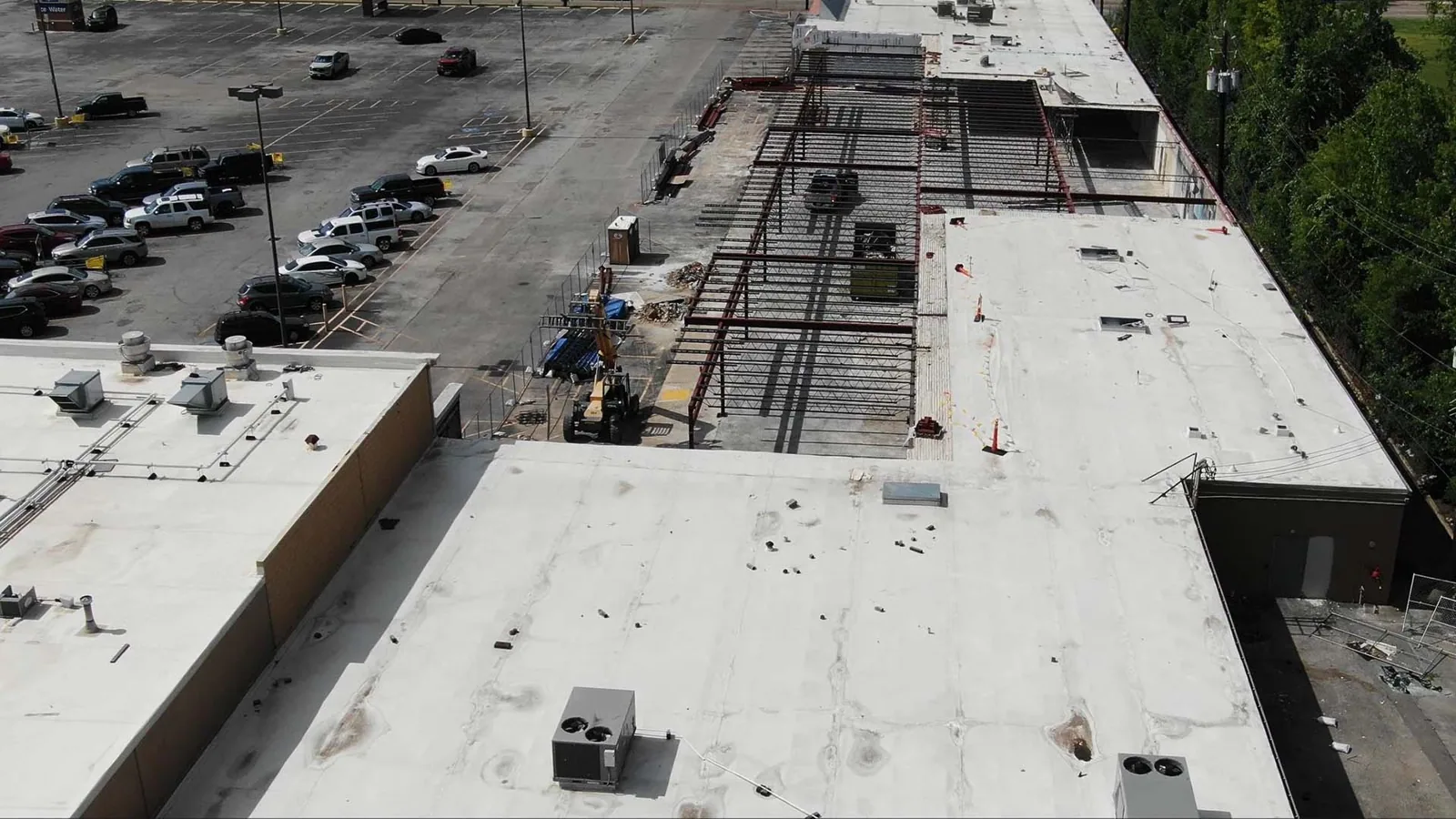
Data Center Roofing in Tracy, CA
Property Types We Roof
Document data-center roof conditions in Tracy with equipment-clearance mapping, moisture limits, protected access, and a defined repair boundary.

Document data-center roof conditions in Tracy with equipment-clearance mapping, moisture limits, protected access, and a defined repair boundary.
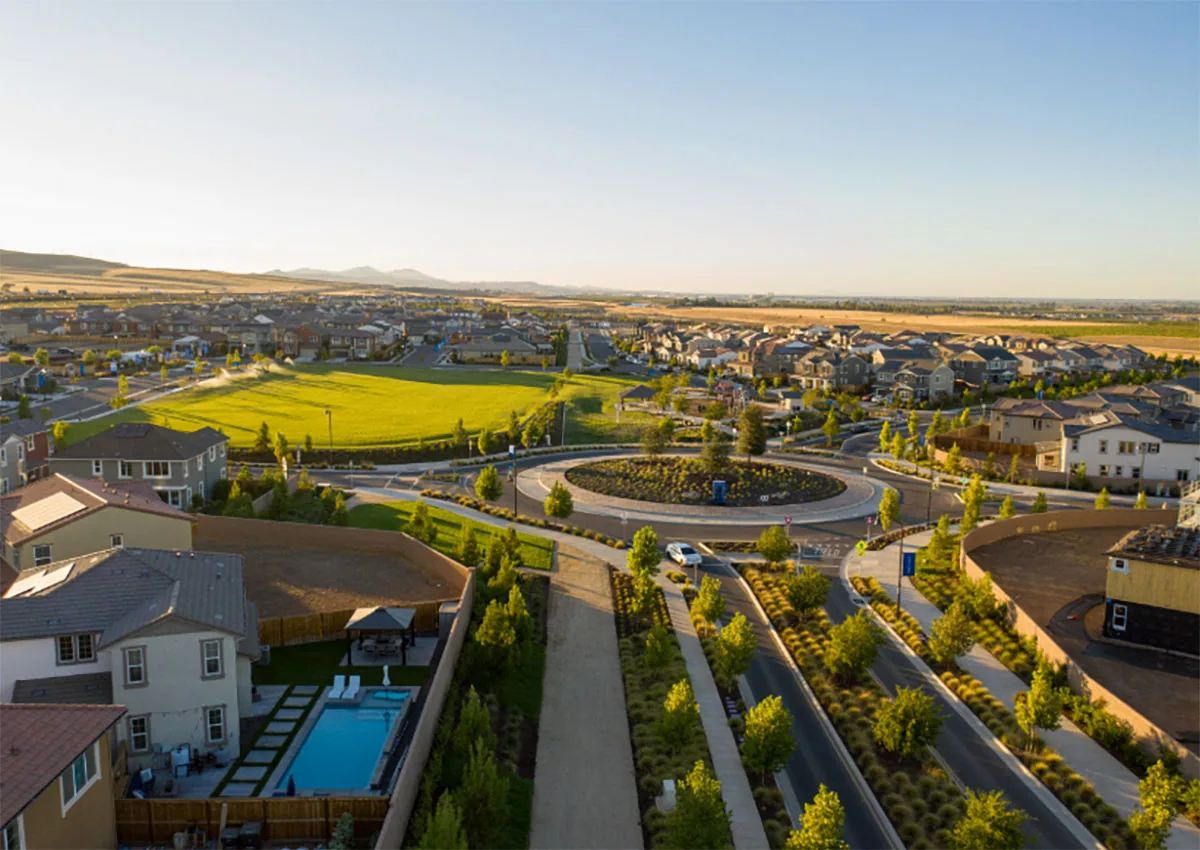
A temperature alert beside a roof curb needs a traceable location before a crew opens the membrane. For a data center in Tracy, CA, we identify the affected room, equipment zone, approved roof route, and the contact who can release access. The inspection checks the curb, supports, seams, drains, and nearby membrane, then records any area that could not be reached. That gives the facilities lead a repair boundary without confusing an alarm with proof of a roof leak.
Roof design references for Tracy list a 101.2°F two-percent dry-bulb value and Climate Zone 12. Treat those as municipal criteria, then base application decisions on current rooftop conditions and product limits. We document the actual surface and substrate condition, then compare the proposed material with its installation limits. A hands-on roof inspection can map equipment clearances and mark the zones that need a closer review.
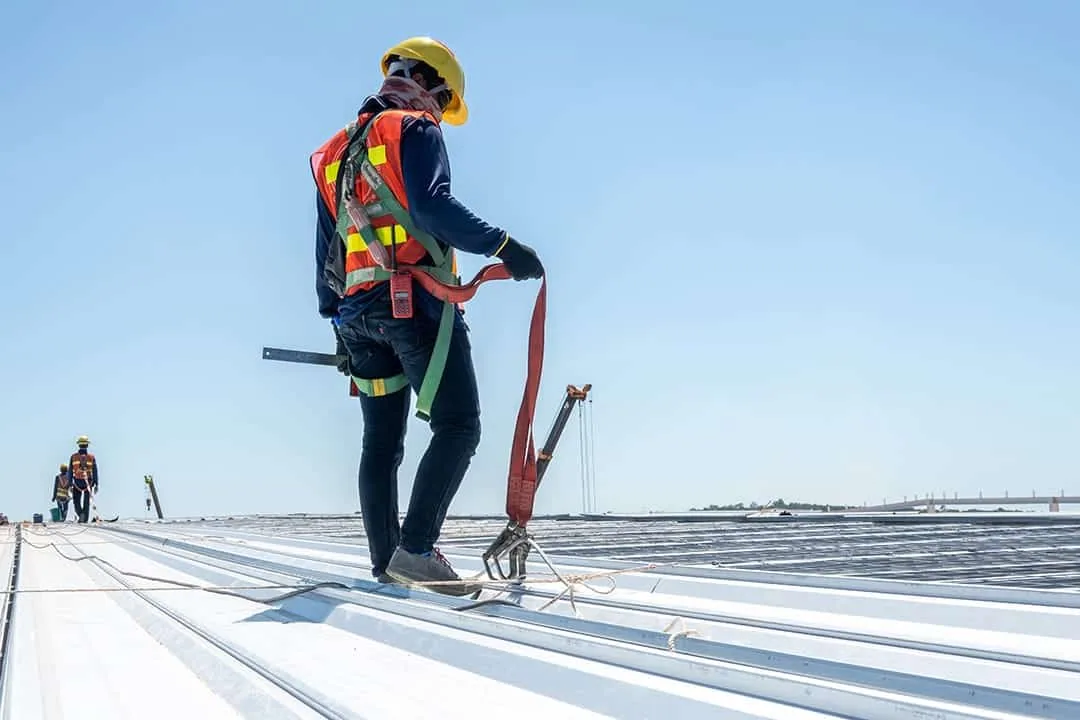
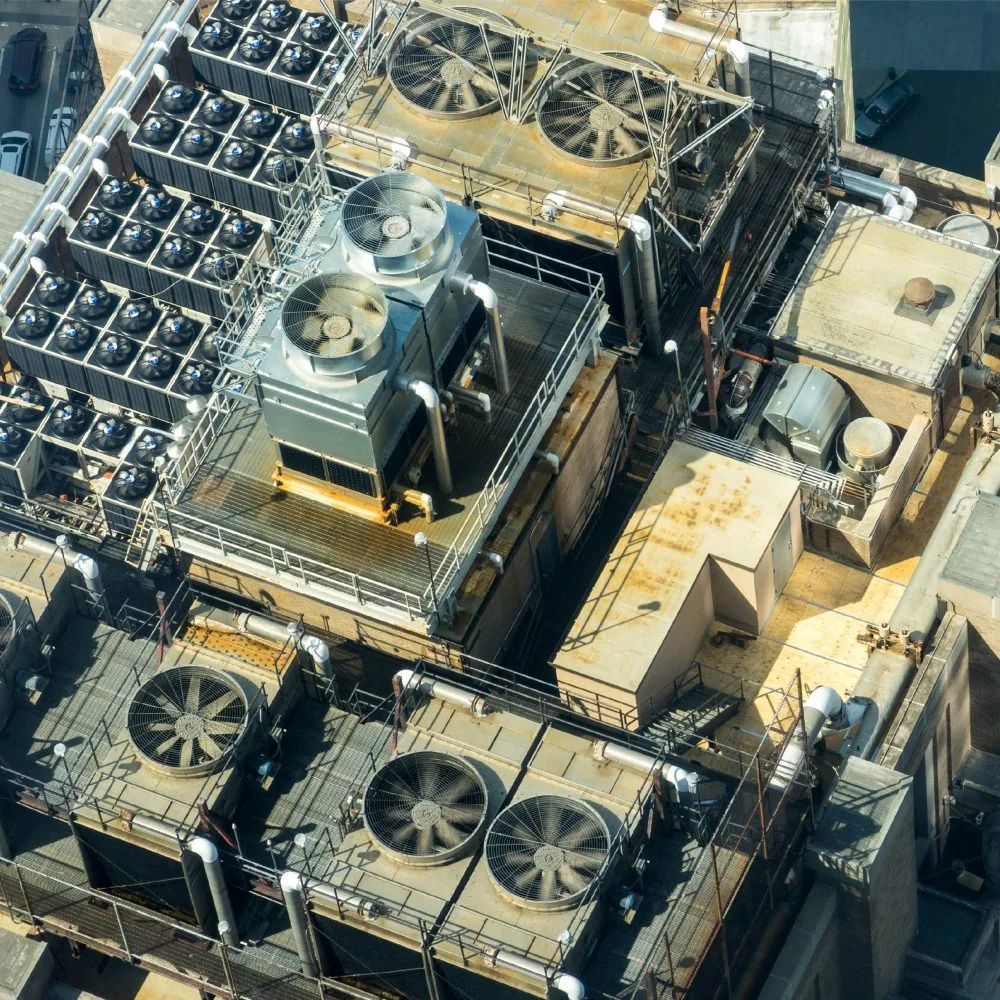
Confirm the approved hatch, escort rule, roof access control, and any equipment or security boundary before setting the walk. Mark support frames, conduit paths, exhausts, antenna bases, and service clearances that could shape movement across the roof. We note the route taken and the point where access stopped. If an equipment enclosure restricts a transition or test area, the report keeps that limit visible instead of treating the section as inspected.
A data center may require a trade release before a roof curb or support can be disturbed. The roofing plan identifies who can authorize an opening, what protection is needed below, and which handoff must be complete before the assembly is closed. A curb and support review can document how the membrane meets those details. If operations need the roof returned to service within a set window, record that deadline as an access constraint, not as a promised installation duration.
Review roof plans, replacement scopes, warranty documents, equipment additions, and prior leak tickets. Compare their system descriptions with exposed edges, seam type, cover board, insulation, and deck evidence. If two zones have different repair histories, label them separately. A coating or patch can hide a former opening, so note the preparation or fastener detail that remains visible. When the material cannot be confirmed, list the sample or opening needed instead of choosing a repair product by appearance.
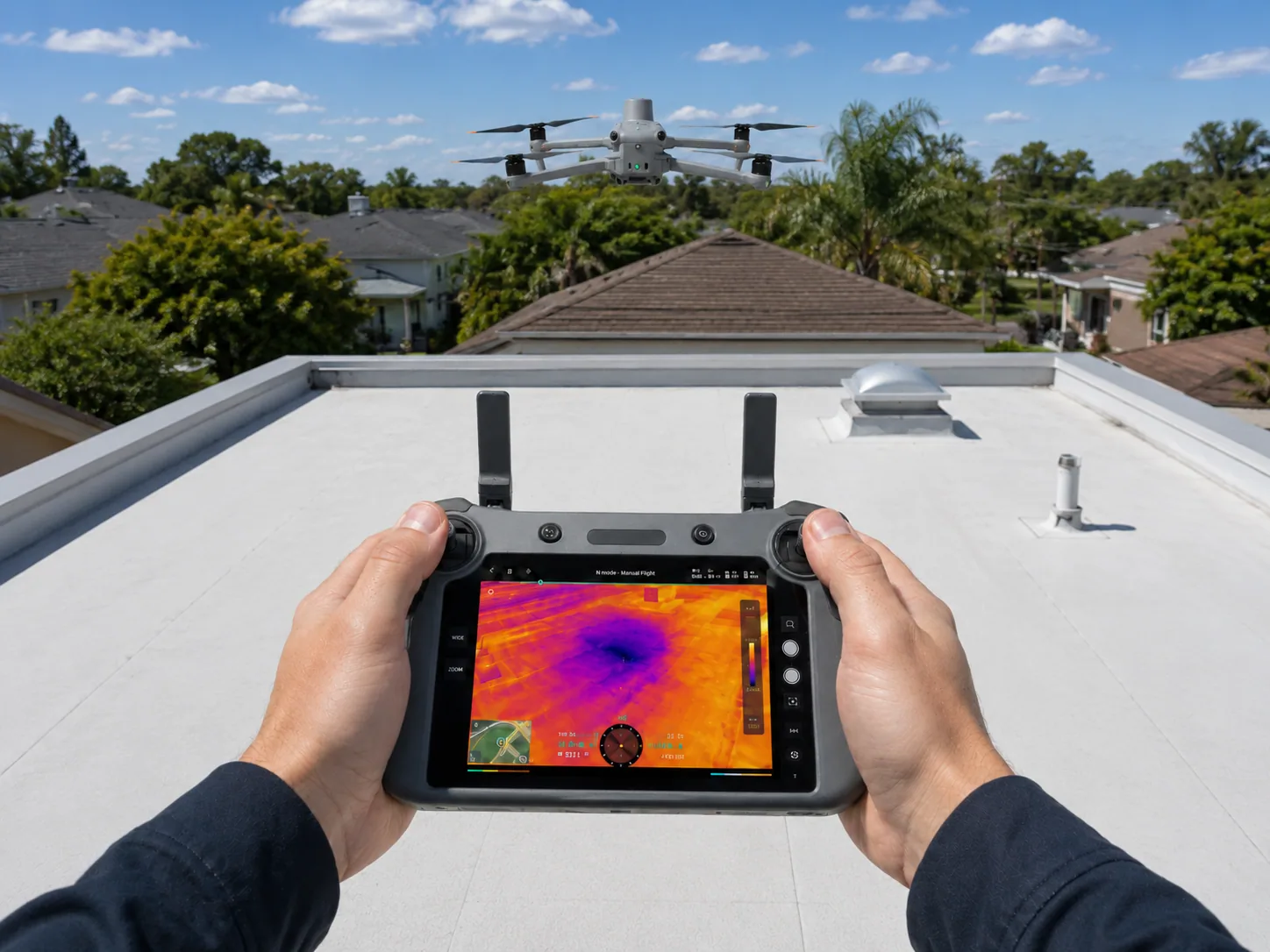
The Tracy criteria assign wind exposure C; project designers consult the map and risk category that apply to the building. That classification informs design review; it does not establish a specific roof's attachment or capacity. We record visible perimeter movement and compare available project documents before proposing a correction. The infrared moisture survey can help select confirmation locations when concealed layers are in question. An indicated area is not automatically wet insulation, so the report records the method and next test separately.
Trace each roof plane to its primary drain and overflow route. Check the strainer, sump, membrane turn-in, pipe connection, and adjacent seam as distinct components. Note debris, retained water, detached flashing, and any low area with a roof-zone reference. A blocked outlet can create a maintenance task, while a low deck or wet insulation may require a broader design or assembly decision. We do not combine those conditions into a single repair quantity without evidence.
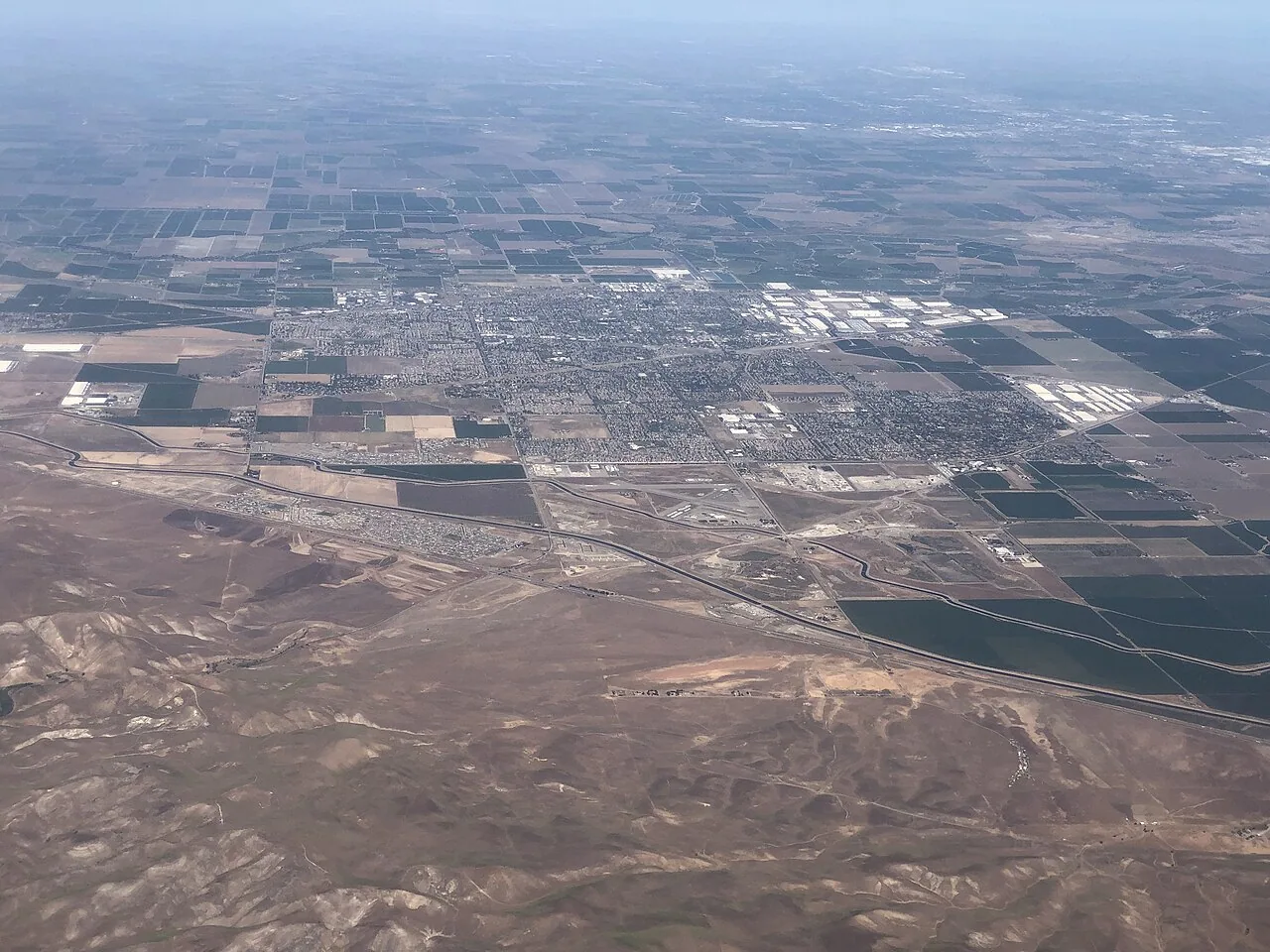
Tracy's northeast industrial geography includes flex-tech and other employment uses, while the Industrial Areas Specific Plan contains industrial, office, and flex-tech designations. These are broad planning categories, not a description of any individual building's equipment or roof. A service visit within the Industrial Areas Specific Plan still follows the property's actual roof map and water path. A manufacturing-plant roof review can compare process-equipment access needs without carrying a different site's assembly assumptions into this report.
If water is active, isolate the interior area and record the temporary protection separately from permanent work. The first visit should identify the reported room, roof zone, visible entry evidence, and any equipment that needs another trade's attention. A temporary cover is not the same as a completed membrane repair. We state the tie-in that remains open, the next authorized access time, and what must be checked before the protection is removed.
Tracy is positioned at the junction of I-205, I-580, and I-5, a regional transportation connection that can orient dispatch planning. Delivery access and site entry still depend on the owner's procedures. For immediate water entry, an emergency roof response can stabilize the affected area while preserving a separate permanent scope. A roof insulation assessment may be needed if moisture has reached concealed layers or if a repair boundary depends on the substrate.
Set a repair when the failed detail is isolated and the surrounding membrane, attachment, and substrate support a sound tie-in. Widespread moisture, repeated curb movement, or several open transitions can change the decision. A recover or replacement estimate should identify removal depth, equipment coordination, edge work, drain elevations, staging, and temporary protection. We label assumptions separately from verified quantities so a budget review does not treat an untested section as confirmed.
Data-center work can involve multiple roof zones with different access rules or service clearances. A commercial office roof comparison may help a portfolio group separate office access patterns from critical equipment areas, but each assembly needs its own evidence. A roof condition report can hold photographs, test points, approved work, and unresolved questions under the building's zone labels. The roof record should show what changed and who authorized each repair, not simply the final material name.
At completion, record the zone, preparation, system material, tie-in, perimeter details, tests, and photographs. Note whether another trade restored equipment or whether any access restriction remains. If the repair stopped at a planned boundary, identify the temporary condition and the next authorization required. The facility lead should be able to match every image with a roof location and tell which scope was completed without searching unrelated work orders.
Send the roof plan, assembly records, work tickets, equipment schedule, and access rules with a request for review. Identify the owner contact, the service window, and the decision the report must support. We will mark the recorded condition, test limit, repair boundary, and open coordination item. That makes the record useful for the next inspection and keeps emergency protection, permanent roofing, and equipment work distinct.
No. We match the alarm or interior report to its location, inspect the roof zone above it, and record what supports a moisture path. If the assembly is concealed, the report identifies the confirmation step before removal is priced.
The facility contact sets the approved route, escort, equipment boundary, and release process. We record those conditions in the work plan and stop where authorization or safe access ends.
An infrared survey can help select areas for review, but its readings need context and confirmation. We document the method, conditions, and any test opening needed before assigning a removal boundary.
Record the reported room, roof zone, observed opening, temporary protection, access limit, and the permanent repair still required. Keep each action and its approval separate in the closeout log.
Equipment clearance, test authorization, wet layers, drain height, perimeter attachment, trade coordination, and the available work window can change the plan. We list each confirmed quantity and unresolved condition separately.